
Equipping the modern healthcare workforce
Are you old enough to remember professional work life before the internet? If so, you know that way the world works is changing—fast. And yes, that includes healthcare.


Are you old enough to remember professional work life before the internet? If so, you know that way the world works is changing—fast. And yes, that includes healthcare.


Your mom, your sister, your friend…maybe even you—breast cancer touches all of our lives. In the U.S. alone, approximately 1 in 8 women will develop the disease during their lifetime.[1] Breast cancer is the most commonly diagnosed cancer in women


Over the past few years, telehealth has become increasingly common across the continuum of care. Neurology, behavioral health, cardiology, dermatology, post-procedure follow-up, acute care, home care, evaluation and management, and patient outreach


Collaboration is changing the face of healthcare, enabling agile strategies like telemedicine, remote monitoring, care-team communication, and specialist engagement. When clinicians and patients can collaborate—seamlessly and securely—they can break
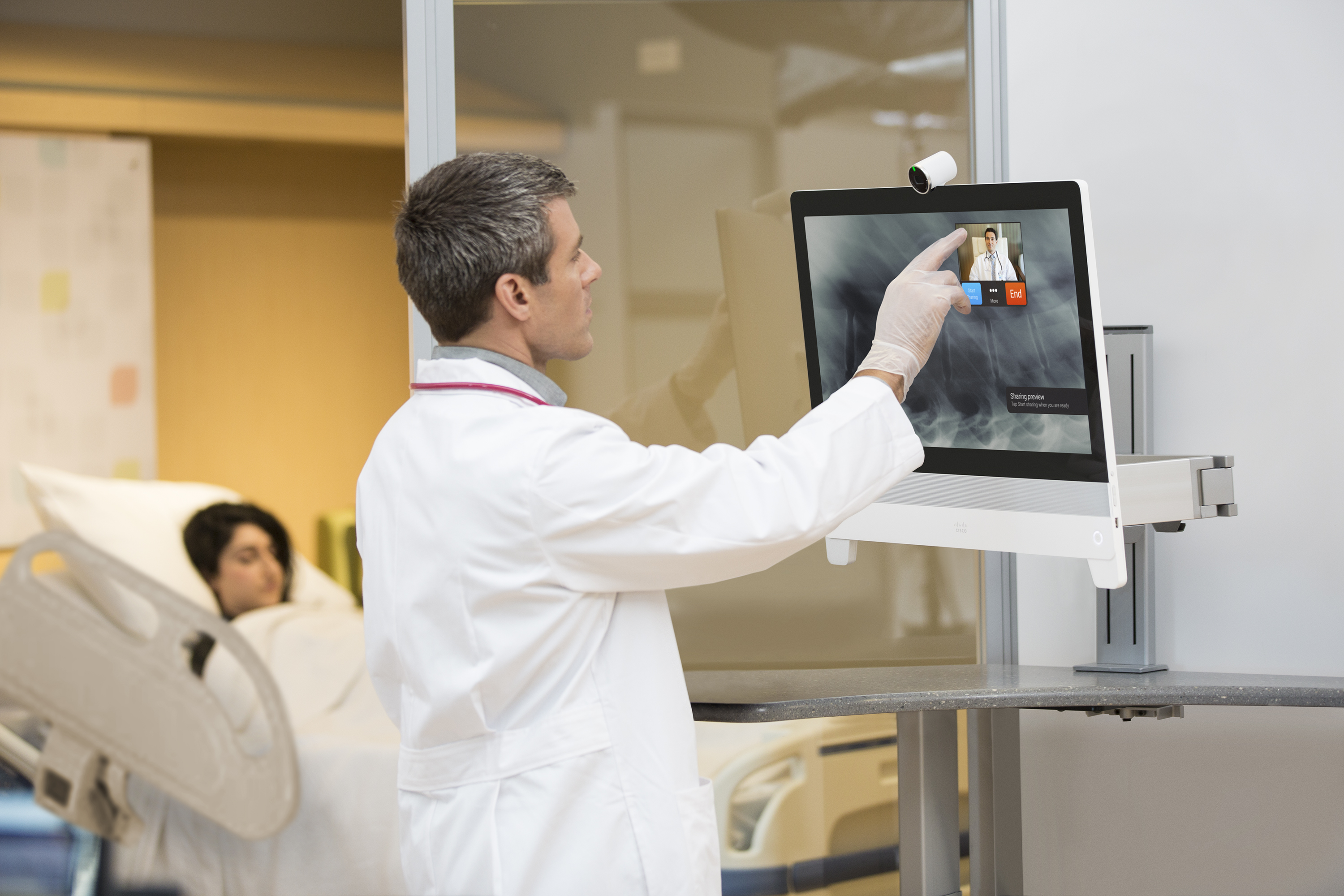

At the very core, healthcare is about collaboration between caregivers and patients. Read on for examples of how healthcare organizations worldwide are improving patient care and business processes using collaboration technologies.

Welcome to the third and final blog of the Extending Care series. In past posts, we’ve shared key determinants in telehealth adoption, as well as the world of opportunity with EHR-integrated video. Now, we’re excited to release our new remote care


Welcome to the second installment of the Extending Care blog series, a discussion of what’s possible in telehealth. When care isn’t constrained by physical boundaries, a world of opportunities opens up. Healthcare providers are now turning to video


Over the past decade, telehealth has transformed from a fledgling tool into a comprehensive solution that enables healthcare systems to connect to their patients without limitations of geography or time. The majority of healthcare organizations have
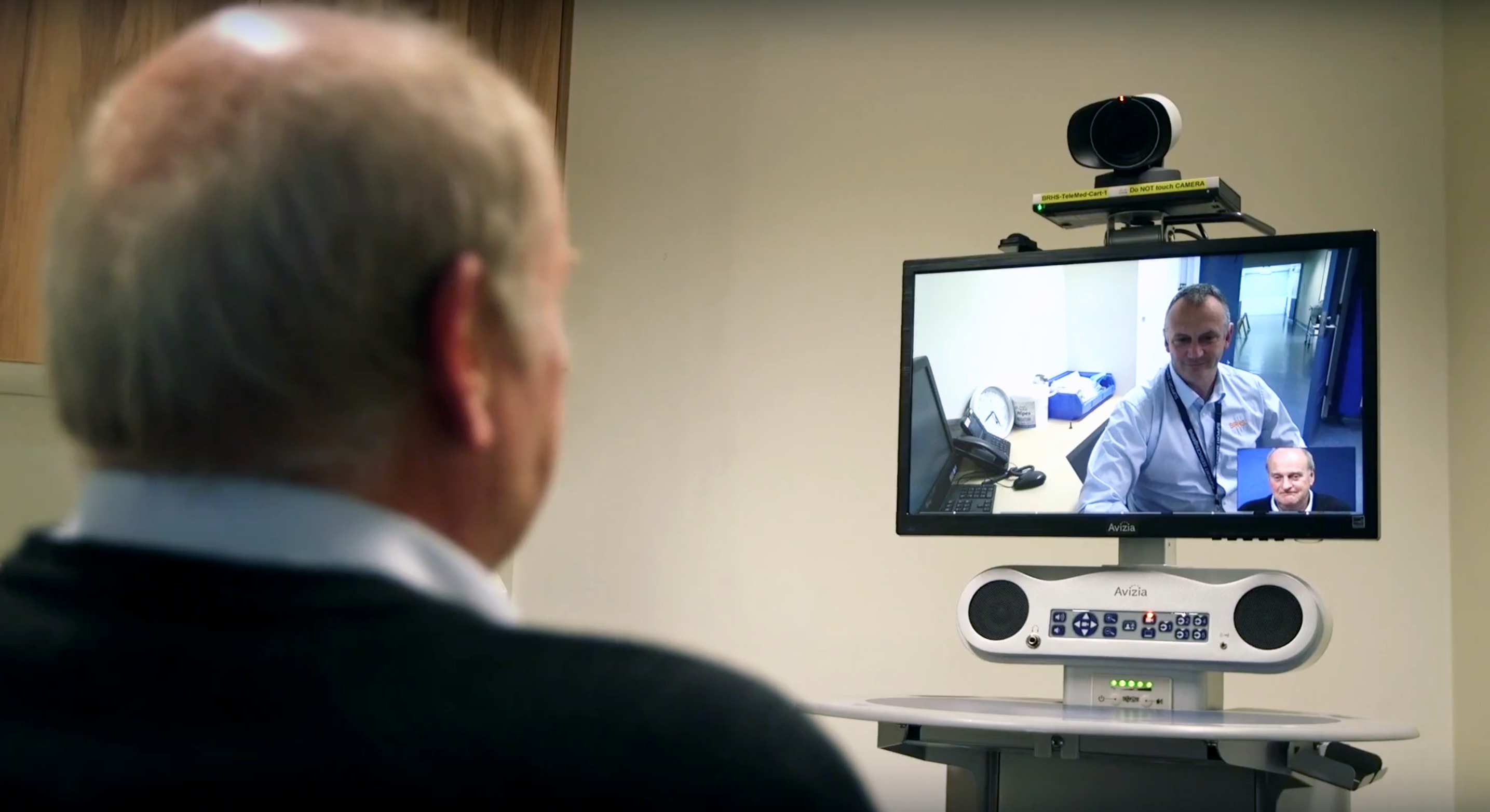

The practical reality of regional and remote communities in Australia is that they have been consistently disadvantaged in accessing specialist care. Getting access to specialised clinicians, whether it has been for emergence room consultation, acute


