Avatar

Written By Christian Schmutzer, Principal Engineer at Cisco

The idea behind Cisco’s Transport Network Modernization solution is simple: allow a single, packet-oriented network to support both connectionless and connection-oriented services concurrently. A number of technology innovations were required to make the solution work, including a bi-directional, co-routed MPLS-TE Control Plane (NCS 4200); DWDM integration and unlimited bandwidth (NCS 4000 and NCS 2000); high-density Circuit Emulation (NCS 4200); and fully programmable management with EPN Manager (EPN-M). Together, these technology innovations enable service providers to migrate at their own pace from TDM and SONET/SDH to packet services and replace aging DCS and ADM hardware while still maintaining legacy TDM services.

Let’s take a closer look at how the Cisco’s Transport Network Modernization works, with a deep dive into the technology innovations that underpin the solution.

A Bi-directional, Co-routed MPLS-TE Control Plane

The NCS 4200 platform uses FlexLSP to provide bi-directional tunnels, 50ms protection and OAM for protection and network monitoring. Packet-based QoS and call admission control is used to guarantee the service bandwidth and latency, and at the same time allows the Service Provider to benefit from the synergies of running classical data services on the same network. Additional attributes supported include non-revertive switching and persistent LSP paths.

Path protection, a requirement for connection-oriented services, creates a challenge – even if mechanisms like BFD (offloaded into HW) allow for quick failure detection within <10msec for each path, there are times when a lot of paths need to be switched. In TDM systems, this is done by an optimized low-level uCode on the line cards, or in a fabric card directly – but in a packet system, this is not possible.

Wrap protection technology addresses the challenge by moving the function to the nodes local to the failure when a single fault is detected, triggering a single message inside the system which then switches any number of paths to their pre-programmed protect entity. Traffic is then sent back on the working path in the reverse direction to the Head/Tail node, where it gets redirected to the protect end-to-end path.

This immediate reaction ensures <50msec traffic restoration for any number of LSPs and also ensures that traffic flows along the configured working or protect path across the network. Once the Head/Tail nodes detect the failure, traffic will be directly sent to the protect entity and the “traffic wrap” will get removed.

DWDM Integration and Unlimited Bandwidth

The NCS 4000 platform provides unprecedented DWDM integration (same capacity whether it is DWDM or grey optics). A single 400G packet/OTN/DWDM card tightly integrates the packet processor and fabric interface ASIC, OTN processing and encryption ASIC, 400G coherent DSP chip, pluggable 100G QSFP-28 modules, 40G QSFP+ modules and 10G with breakout support – and finally, a pluggable analog coherent optics module supporting 200G. In the past, incorporating all this functionality required three dedicated cards.

This hardware innovation results in significant savings (66% space, 50% power, and 65% cost) and enables customers to simplify their spares strategy by deploying a single card versus three dedicated cards and slots for those cards. Unlimited bandwidth scale is provided, supporting by NCS 4000 Multi-Chassis configurations which are avoiding costly inter-chassis links. And inter-office connectivity is delivered in a very flexible, highly scalable way using the NCS 2000 photonics platform, which provides Flex Spectrum DWDM capability.

High-Density Circuit Emulation (CEM) Technology

With circuit emulation, TDM services can be migrated across an asynchronous IP/Multiprotocol Label Switching (MPLS) network with no compromise on errors or delay. CEM provides the ability to terminate TDM traffic over SONET/SDH as an interface, continuing fault propagation between SONET/SDH and the IP/MPLS network using pseudowires running over dynamic label-switched paths (LSPs). LSPs are paths through MPLS networks are set up by a signaling protocol. The CEM solution is supported by multiple industry standards for both SONET/SDH and IP/MPLS.

CEM uses different methods based on TDM service type to transport the different types of TDM traffic over the packet network:

  • Structured agnostic TDM over packet (SAToP) uses a pseudowire to transport T1, E1, T3, and E3 circuits.
  • Circuit emulation service over a packet-switched network (CESoP) uses a pseudowire to transport structured (NxDS0) TDM signals.
  • Circuit emulation over packet (CEP) uses a pseudowire to transport SONET/SDH containers (including path overhead).
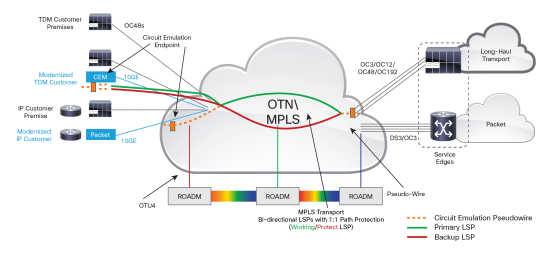
High-Density Circuit Emulation Technology
TDM and IP Services Moving Through a Modernized Transport Network Using Circuit Emulation

All TDM functions and packetization (SAToP, CEP, CESoP) are integrated into a single FPGA, improving the overall density by an order of magnitude. In the past, a router slot could deliver 4xOC3 CEM ports, which meant a platform such as the Cisco 7600 router could provide 36xOC3 ports (~5Gbps) of TDM/CEM capacity while requiring a 21RU rack space. With the NCS 4200 platform 10G or 5G worth of SONET capacity per interface module is provided, which equals 70Gbps of SONET interface capacity in a 14RU platform. A scale that is unmatched in the industry.

The solution also supports low-density use cases, using the identical technology and feature sets, allowing both SONET and PDH interfaces to be combined into a small 3Gbps CEM interface module supported in a 3RU chassis or 1RU pizza box platform.

SONET / SDH / Card Protection Technology Adoption for Packet Platforms

Traditionally, UPSR/APS/Card protection technology is implemented using a centralized TDM
backplane/fabric. Since the NCS 4200 platform does not have a centralized TDM Fabric, software and hardware were designed to replicate these functions including:

  • Circuit Emulation, VCAT and multi-service traffic to protection circuits, to meet the transport standards.
  • Alarm processing in an optimized manner so that APS and UPSR Protection could be achieved in the <50ms time interval in the packet product.

Mechanical and Thermal Challenges providing high-density CEM

The high-density CEM configurations create some unique challenges in cooling the system and in routing the vast quantity of cables, and ensuring ease of maintenance. A special cable management bar allows a failed card to be replaced without affecting cables connected to the adjacent card.

The same level of focus was needed for low-density use cases as well. For example, a minimal touch bracket for the 3RU NCS 4200 provides cable routing options in an entry level/low-density system, enabling the cabling of this small platform to comply with the carrier’s central office standards while maintaining a minimal platform footprint.

EPN Manager (EPN-M): A Fully Programmable Solution

EPN Manager helps service providers to modernize circuit transport and private line networks by addressing the combination of CEM over packet, OTN, and DWDM/ROADM networks with comprehensive end-to-end network management support. This all-in-one, next-generation product provides device management, network provisioning, and network assurance across converged packet-optical networks.

With EPN Manager’s integrated lifecycle management and standards-based northbound interfaces, you can easily integrate with your existing OSS/BSS applications. Cisco EPN Manager provides the required comprehensive TDM and IP service lifecycle management, including fault, configuration, performance monitoring, and provisioning. Cisco EPN Manager is also easy to use, incorporating simplified workflows and operations-based tasks that align with existing user roles, so no new hires or skillsets are required.


A Roadmap for Transport Network Modernization

In our E-Book, A Roadmap for Transport Network Modernization, we explain to you how our next-generation approach provides a cost-effective network modernization path, while still supporting ongoing TDM services requirements.

If you are ready to modernize your network, Download a copy of our E-Book today.

Authors

Alison Izard

Marketing Manager

Avatar

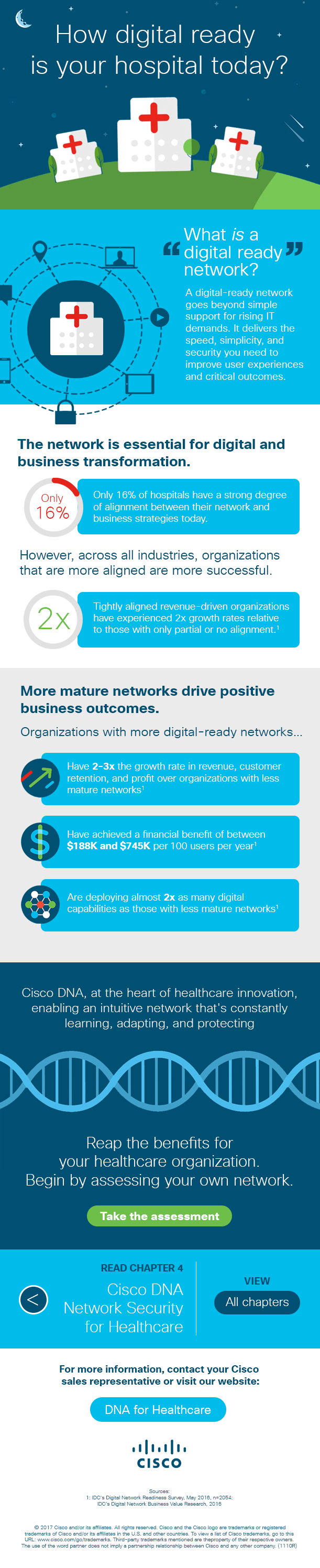
Above and beyond – that’s what your network needs to do. The pressures of the evolving healthcare environment require the network to go beyond supporting rising IT demands. It needs to empower your hospital to improve experiences and outcomes.

With Cisco DNA, the new network is informed by context, is powered by your intent, and grows more intuitive every day.

  • Context: The new network interprets who, what, when, where, and how, resulting in better security, more customized experiences, and faster operations
    enter
  • Intent: The new network automatically translates intentions into the right network configuration, so you can manage and provision millions of devices in minutes
    enter
  • Intuitive: The new network continually learns from the massive amounts of data flowing through Cisco networks, turning that data into actionable, predictive insights

But how does your healthcare organization stack up against your peers?

Check out the infographic below to see how other hospitals are driving digital transformation within their organizations.

Cisco DNA—at the heart of healthcare innovation—enabling an intuitive network that’s constantly learning, adapting, and protecting.

View the whole infographic series here.

Learn more about DNA for Healthcare at cisco.com/go/dnahealthcare.


Authors

Sarah Struble

No Longer at Cisco

Avatar

For more than two decades, malicious actors have been evolving their Phishing techniques to effectively achieve their goals. From poorly crafted scams to extremely well crafted documents, Phishing attacks keep being a very effective technique in the attackers toolbox. Anyone can be a target. While more sophisticated phishing attacks are constantly changing, some other type of attacks remain under the radar for long periods of time.

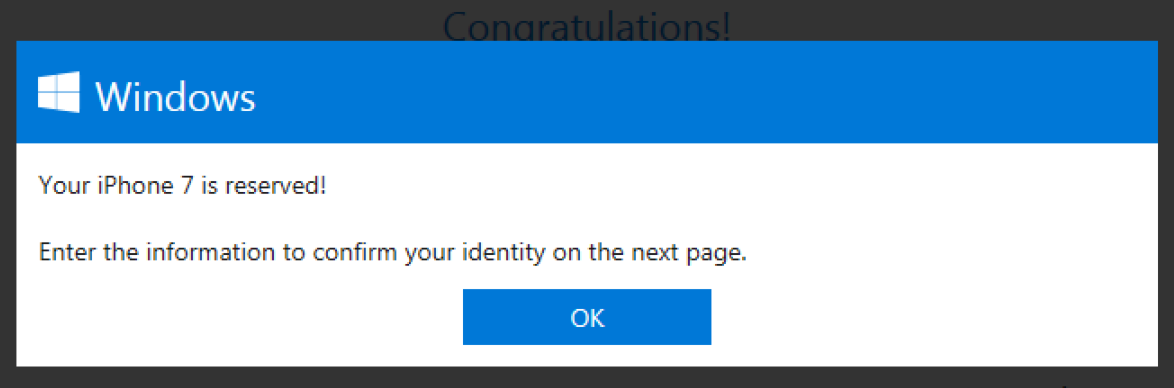
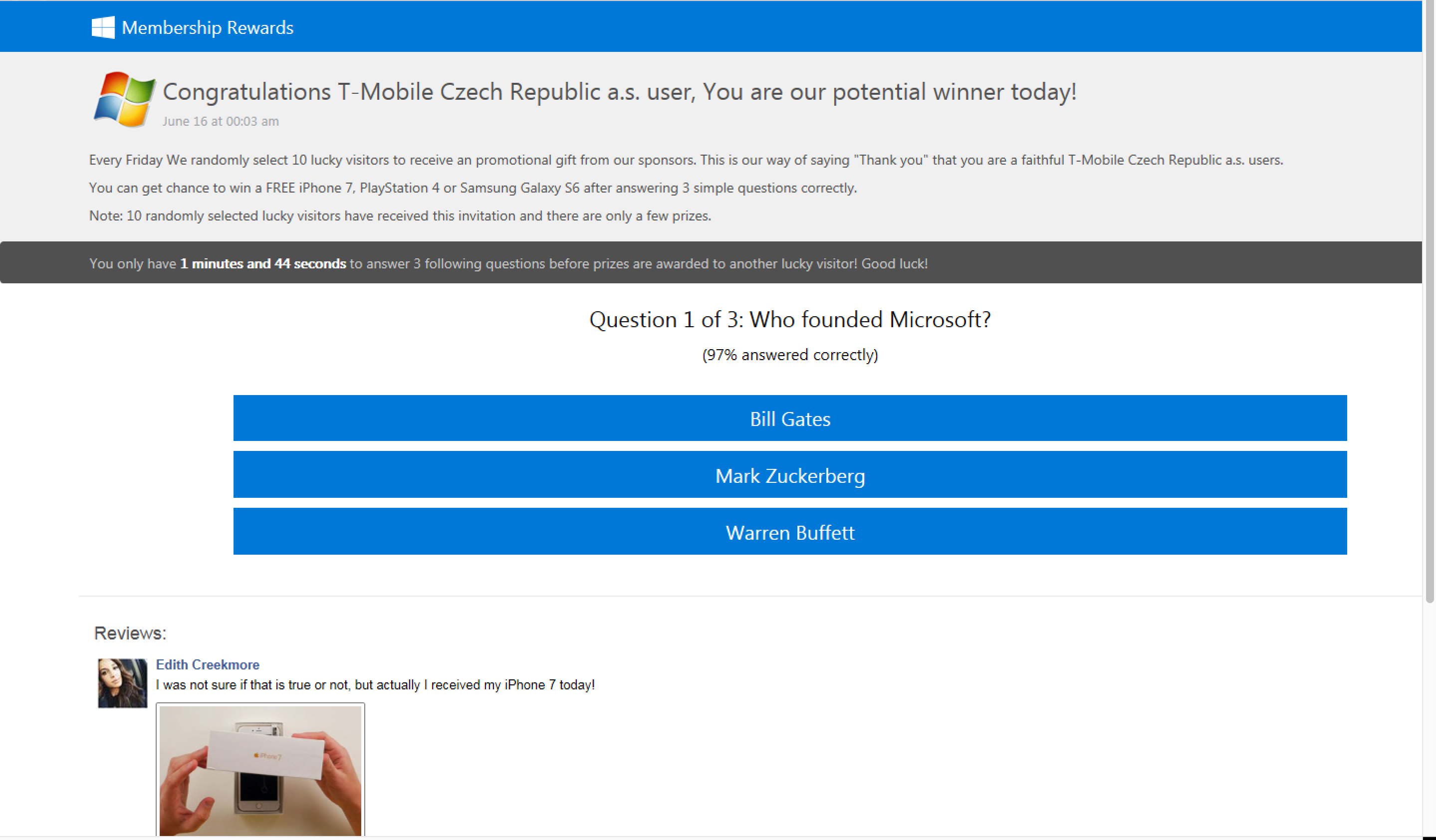
Figure 1: Lucky Winner phishing campaign impersonates top companies to lure users to provide personal information.

In the last three months, Cisco Cognitive Threat Analytics observed a sudden increase in the number of users accessing a specific type of phishing campaign that we refer simply as “Lucky Winner”. This campaign lure users to answer some questions in order to win some special prize, typically the latest model of an iPhone or Samsung phone. For more than two years the Lucky Winner campaign has been impersonating top companies such as Google, Facebook, Microsoft and Apple in order to steal personal information or infect users with unwanted applications or malware. In this blog post we will cover how the ‘Lucky Winner’ campaign works and how to stay safe from this type of threat.

Congratulations, You Are A Lucky Winner!

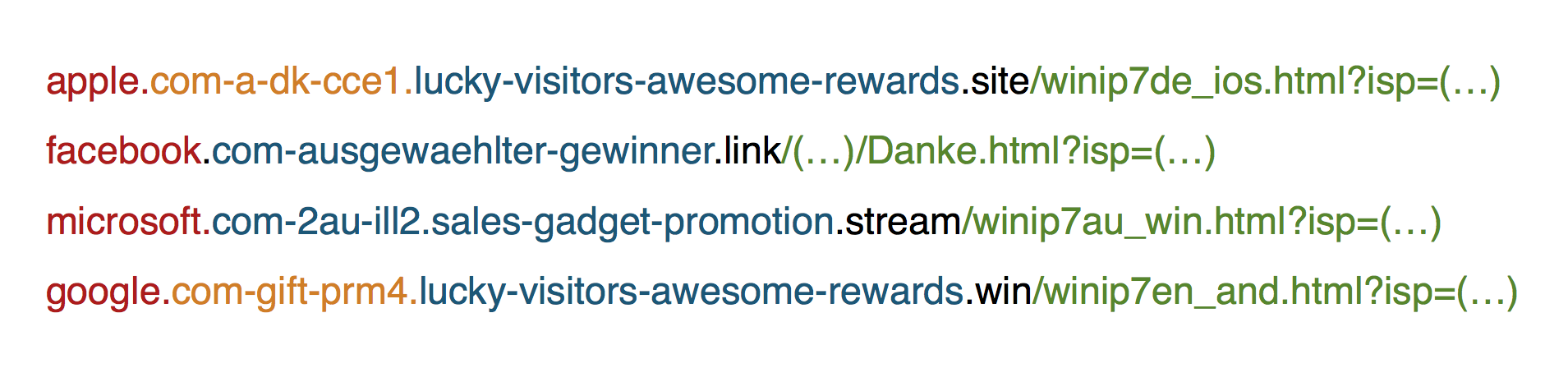
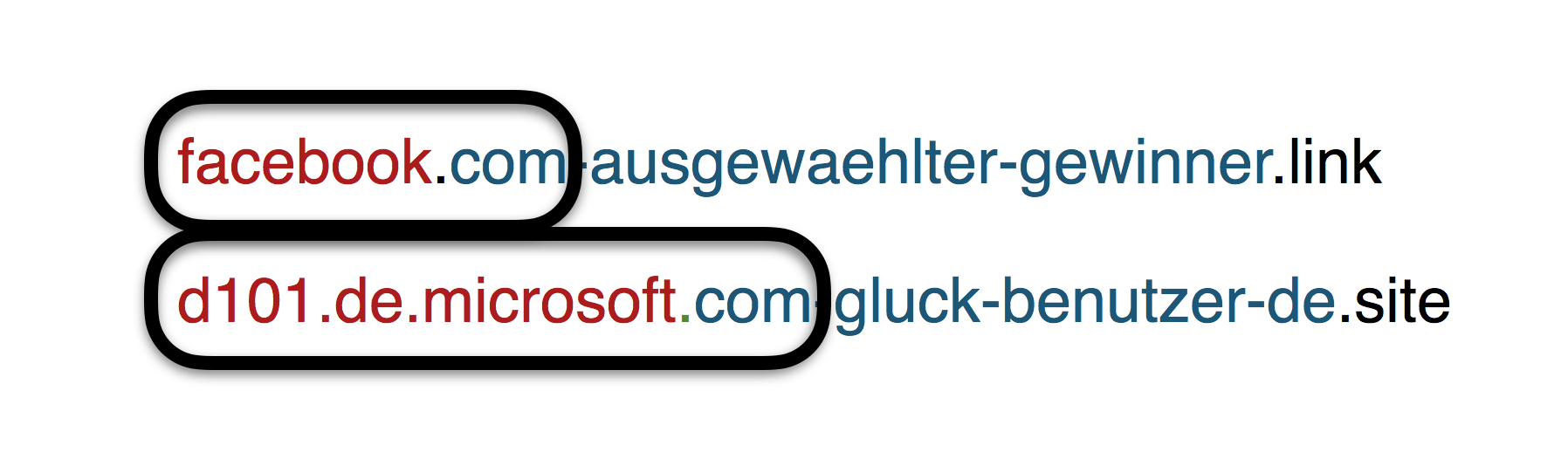
The Lucky Winner campaign uses well crafted domains (See Figure 2) that impersonate well known dot com companies and relies on the fact that nowadays mobile browser address bars are really small and users won’t actually see the full URL that is being accessed, only the first part which is usually attempt to look a legitimate site (See Figure 3). This campaign relies on users seeing what they want to see, and not paying attention to what type of websites are they really accessing.

Figure 2: Examples of phishing URLs that try to impersonate big companies: Apple, Facebook, Microsoft, and Google.

Figure 3: Lucky Winner relies on the small size of the browser address bars to deceive the users and abuse their trust in the targeted company.

Once the user access the URL, a notification of winning a prize will pop up offering the user to participate in a small quiz for a chance to win a valuable gadget. The questions are very easy and the answers mostly obvious. The questions will change depending on the company they are trying to impersonate, for example (See Figure 4): “Who founded Facebook” (Mark Zuckerberg, Warren Buffet or Bill Gates), or “Who founded Apple” (Mark Zuckerberg, Bill Gates or Steve Jobs). Don’t worry, if you don’t know the answer you still win! As we found out during our research after deliberately choosing the wrong answers.

Figure 4: Lucky Winner campaign poses simple questions for users offered to answer to get a chance to win a prize.

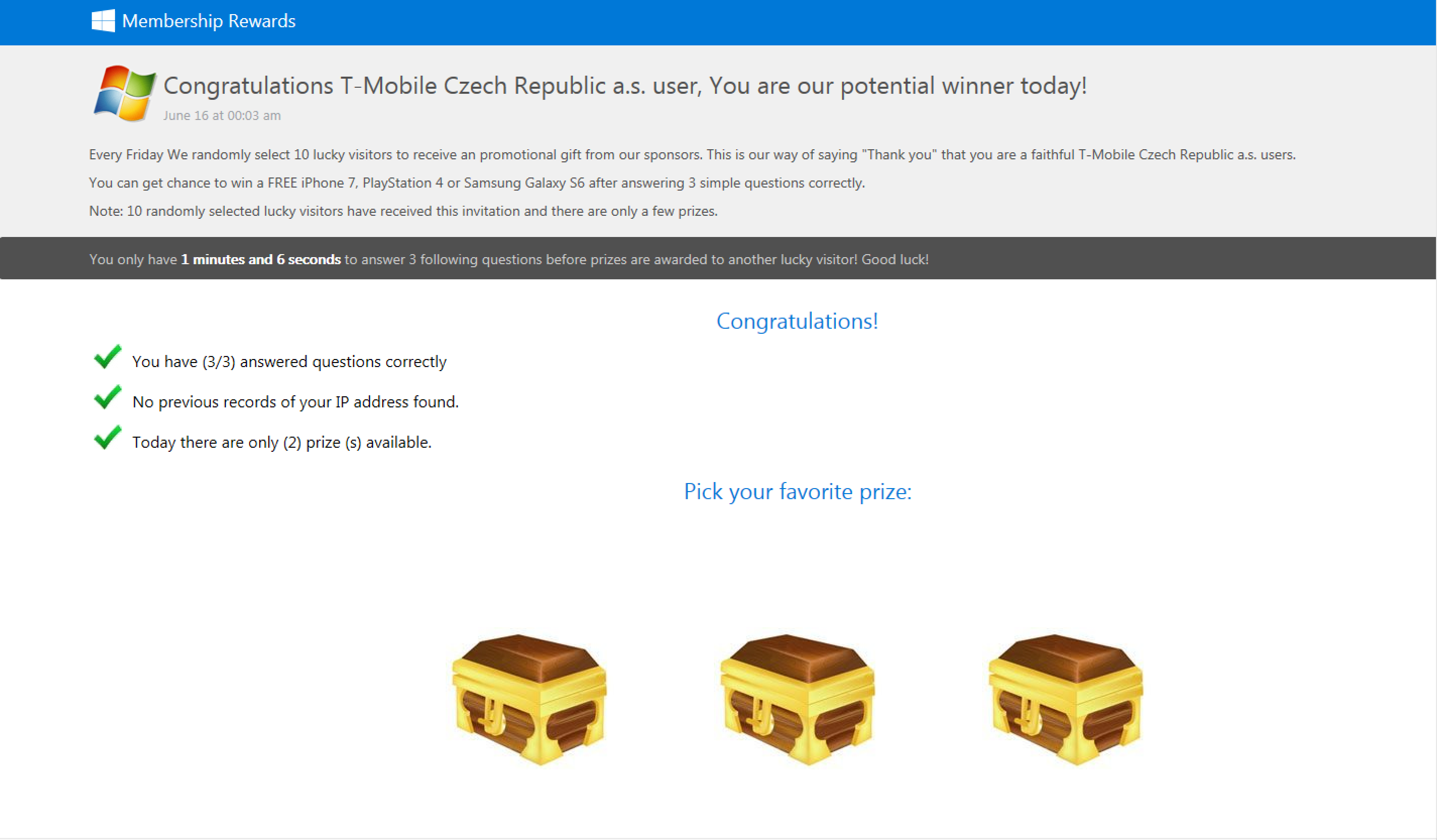
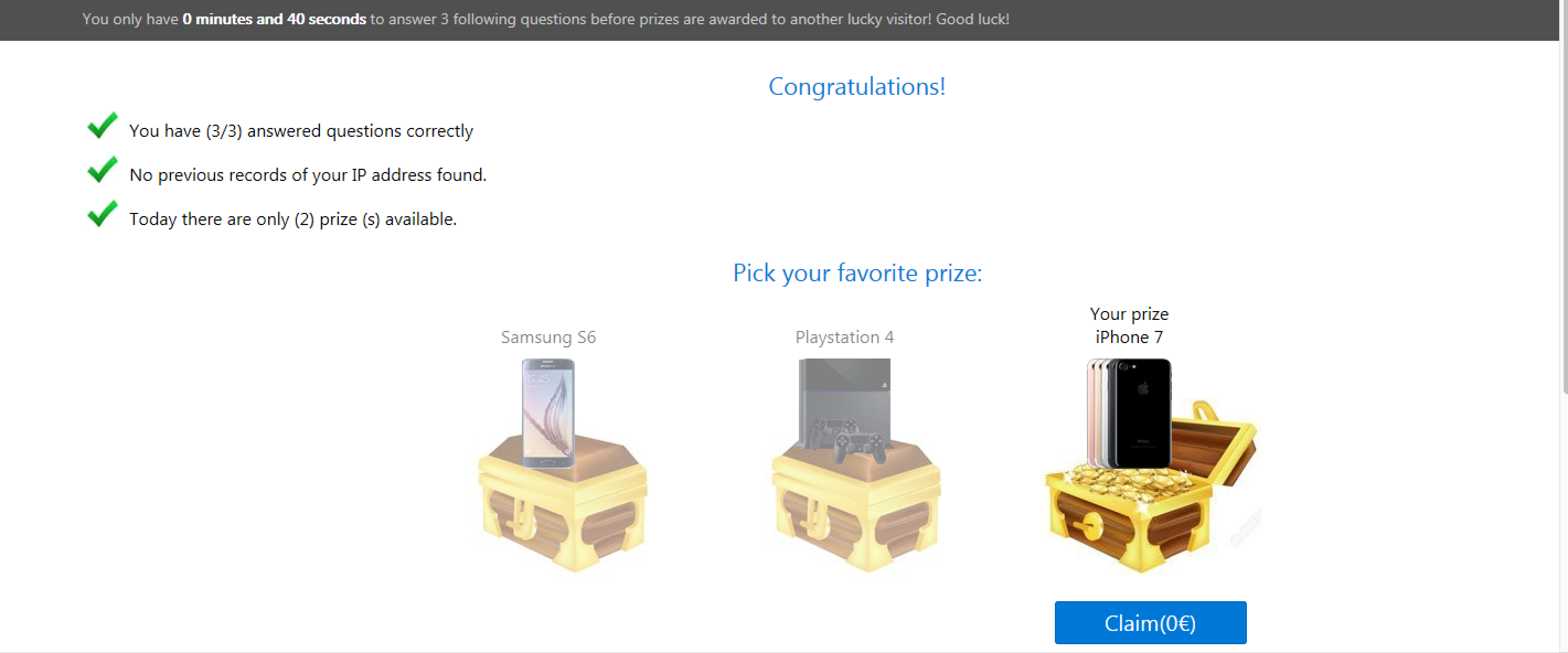
Once the user answer the three questions, three chests will appear containing “The Prize” from which the user should pick. Most of the time, the ‘hidden’ prize is the latest model of an iPhone or Samsung mobile phone, but other valuable electronic devices were offered as well (See Figure 5). Once the user pick its favorite chest, a dialog window pops up asking the user to claim the prize and to read the terms and conditions.

Figure 5: After answering all questions, the user is offered to choose a chest with a prize. In this case it is an iPhone 7.

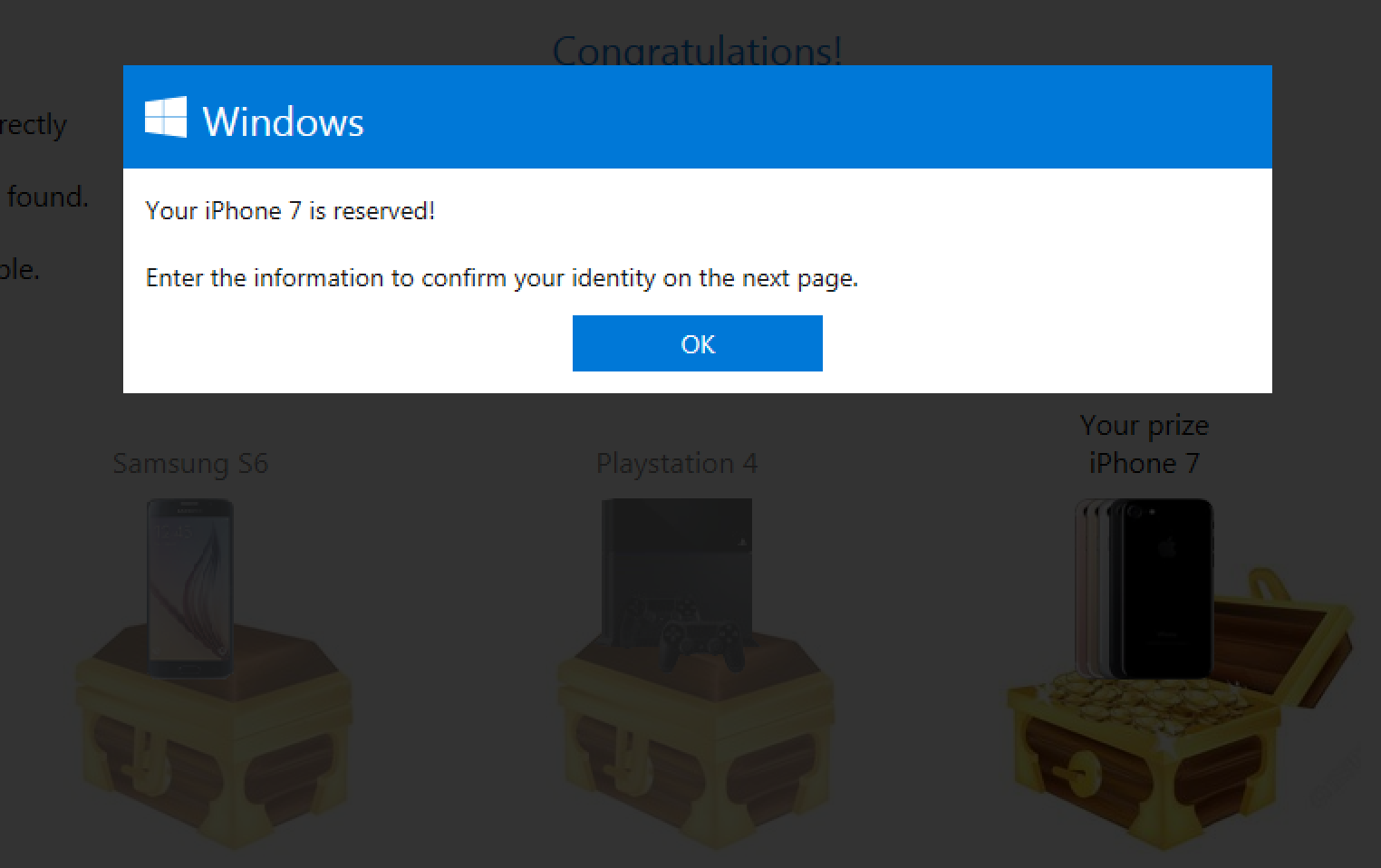
When the user clicks on the button to “Claim” the prize, it will be redirected to different web pages depending on the location or the type of user. The final destination may be a website full of advertisements, online gaming sites serving potential malvertising or to a different phishing scam such as the well-known Spinning Wheel scam [1] (See Figure 6).

Figure 6: A dialogue window to claim a prize will be shown to the victims after choosing their prize. After that stage, the user can be redirected to different locations, in this case an online gaming site full of advertising.

As already investigated by researchers from Malwarebytes [1], the Spinning Wheel campaign offers users to spin ‘a lucky wheel’ and ‘win’ an electronic gadget. Needless to say, there were no prizes but a lot of pop up windows, false promises, redirections to websites with questionable content, and even fake flash player update offers.

On Top Of Everything, Your Information Is Collected

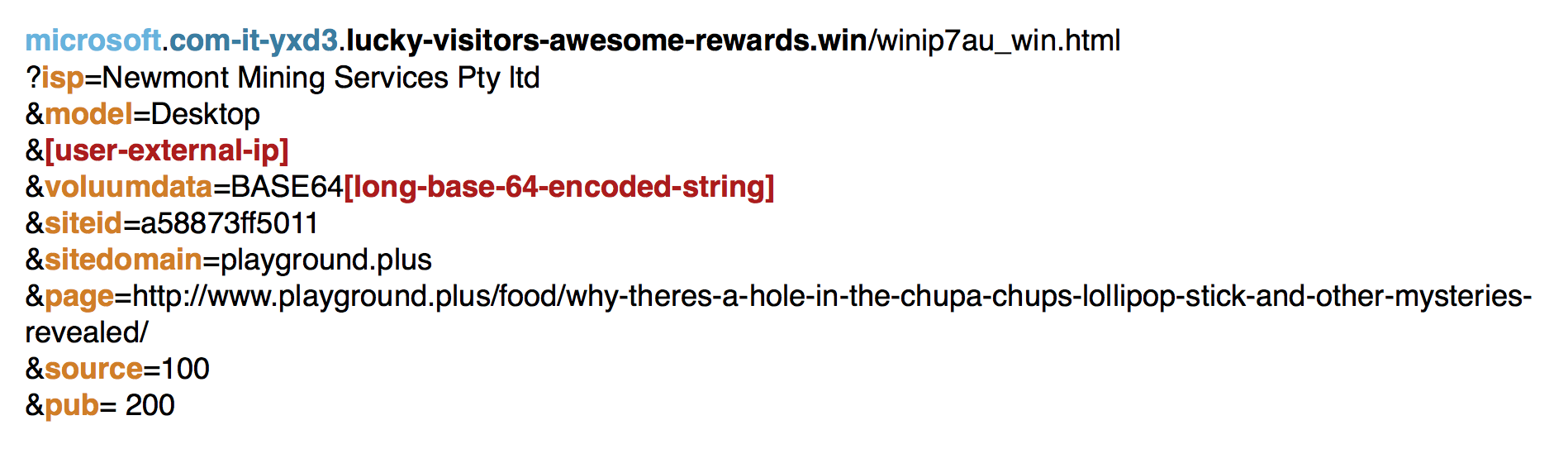
Once the user accesses these malicious websites, some interesting information is collected. Figure 7 shows an example of an URL associated to this campaign. The decoded example of the same URL, as shown in Figure 8, shows the information scammers are trying to collect: user’s ISP ( Internet Service Provider), platform (desktop or mobile), IP address, referer domain, referer page or URL, and referer page’s ID.

Figure 7: Lucky Winner encoded phishing URL.

Figure 8: Lucky Winner decoded phishing URL.

We observed the Lucky Winner campaign since early 2015, however, it might be around even longer. The URL patterns have barely changed since we first spot it. The only major change was the Base64 encoding of the ‘voluumdata’ parameter information. Our records show that the encoding was added around April 2016. The hostnames are using several levels of subdomains in order to trick the users and make them believe that they are accessing a legitimate website. Mobile users are at an even higher risk since mobile screens have a limited capability to display the whole content of the URL. Lucky Winner campaign is targeting all known platforms, including iOS, Android, Windows and probably (but not yet confirmed) Mac OS and Linux users. We observed Lucky Winner campaigns in the following most common languages: English, Dutch, German and Italian.

The Most Common Words That You Should Avoid Clicking On

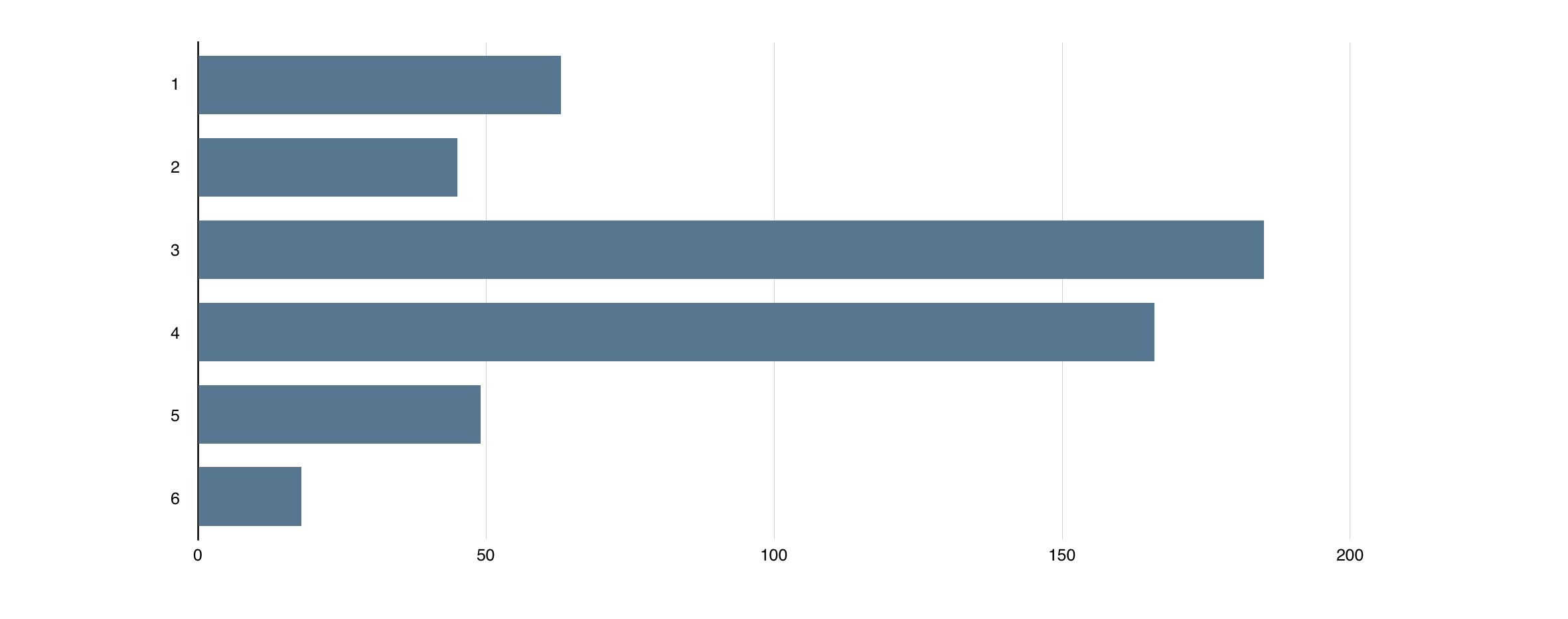
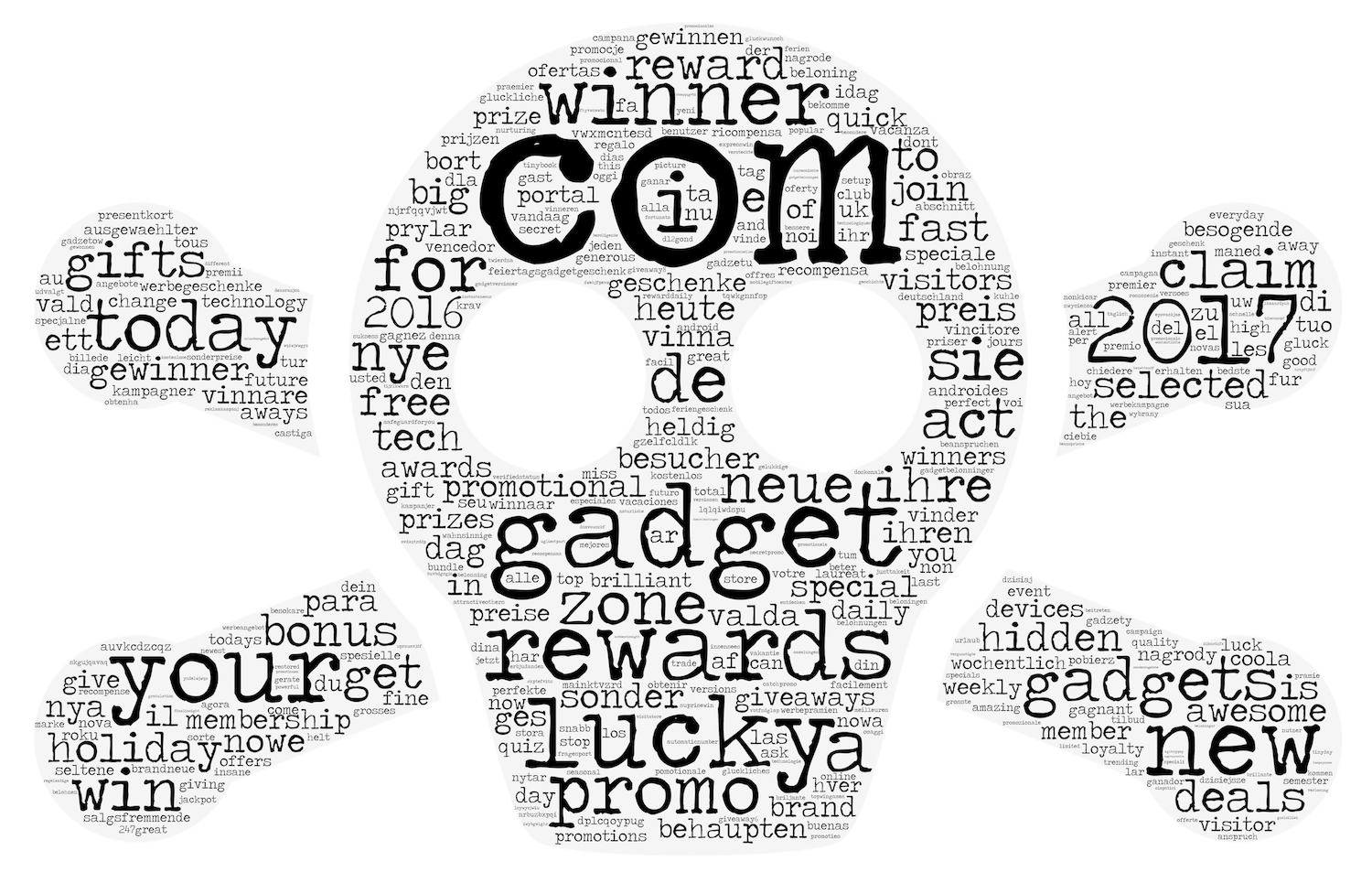
We performed a quick analysis of the typical words used to craft the Second Level Domains (SLD) used by Lucky Winner campaign. As observed in Figure 9, the typical SLD is composed by a combination of three to four words separated by figure dash (‘-’). A frequency analysis of these words shows that the most common word is ‘com’, which is due the fact that this campaign tries to impersonate very popular dot com domains such as facebook.com, google.com, apple.com and microsoft.com (See Figure 10).

Figure 9: Lucky Winner Second Level Domains are composed by a combination of words separated by a figure dash; typically three or four words are used.

Our analysis of the most frequent words used shows that users should be wary every time they access websites that include a combination of the words ‘com’, ‘gadget’, ‘reward’, ‘lucky’, ‘winner’, ‘promo’ and ‘gift’, or variations of them. Any combination of these words may lead to users to high risk websites and end in further infections or loss of information.


Figure 10: Typical words used by the Lucky Winner campaign as Second Level Domains.

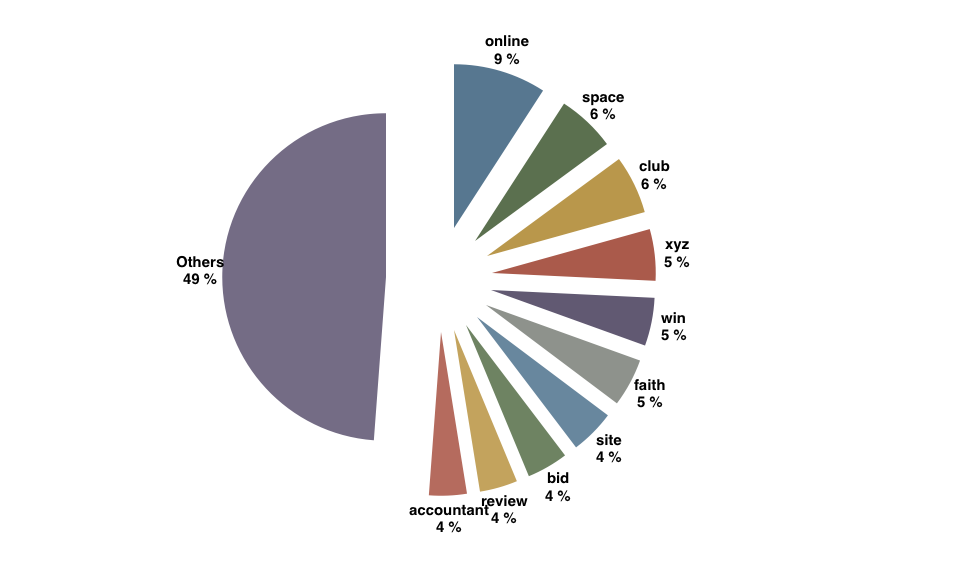
Additionally, we analyzed the most common Top Level Domains (TLD) used in the Lucky Winner campaign. Our analysis shows that 50% of the domains used by this campaign in the last two years were registered with the TLDs: .online, .space, .club, .xyz, .win, .faith, .site, .bid, .review and .accountant (See Figure 11).

Figure 11: Most common Top Level Domains used by the Lucky Winner campaign.

How To Stay Safe

As users, we need to accept the fact there are some individuals and groups trying to trick us to their own profit. After receiving a link or an attachment via email or SMS we need to stop and think for a moment, and ask your self “Why?” Well known companies rarely send their customers shady offers to win an unknown prize, they usually announce giveaways or other contests in advance via official communication channels. In order to be sure you are not being tricked, is always better to double check before clicking any link.

User education and awareness is a very important step in phishing prevention. However, there will always be people who for various reasons will still access those shady websites. Network monitoring tools help to fill the gap and detect successful phishing accesses. Cognitive Threat Analytics (CTA) discovers hundreds of phishing domains every week. Cisco CTA models the behavior of the network and through a refined process and pipeline of Machine Learning algorithms is able to discover previously unseen phishing domains and raise incidents facilitating the incident response.

Cisco CTA is integrated with AMP for Endpoints and StealthWatch!

References

[1] https://blog.malwarebytes.com/cybercrime/2015/07/dont-take-this-lucky-wheel-for-a-spin/

Where to go next

To request a free evaluation that will uncover adware, as well as command and control communications lurking in your environment visit: https://cognitive.cisco.com/

Read more about CTA threat detection in action:

Watch more about CTA as part of Cisco Security solutions:

The full list of IOCs is available here.

Authors

Anna Shirokova

Security Researcher

Cognitive Threat Analytics

Avatar

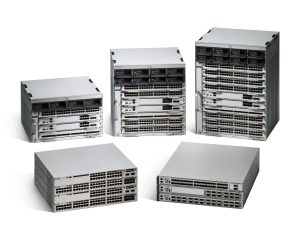
The Catalyst 9000 series is a new family of enterprise switches we recently announced. The engineering team purpose built this switch for the new realities of the digital era delivering innovations in the areas of security, mobility, cloud, and IoT. We started out about two years ago wanting to build more than just another switch. This meant innovating the entire stack right from the underlying ASIC technology, developing a modern operating system and, most importantly, delivering software innovations towards an intent-driven infrastructure. And, I am proud of how the team has delivered! The Catalyst 9000 series packs a punch with unmatched security, analytics, programmability and performance to enable intent-based networking.

Here are the top nine proof points that demonstrate how the Catalyst 9000 delivers:

  1. The art of security. The Catalyst 9000 series – the only switches to deliver state-of-the-art malware detection through behavioral and pattern-based analytics on encrypted traffic by Encrypted Threat Analytics (ETA) without the need of decrypting the application. This was a problem largely assumed to be ‘unsolvable’. Glad that the team here did not know what that word means!
  2. And, the science of security. We took security one step further (or behind; depends on how you see it) by securing the device out-of-the-box and securely storing encryption keys and other valuable data on the switch.
  3. Programmable everything. We’re so stoked to present a fully programmable Switch – right from a programmable x86 CPU complex, programmable ASIC and programmable OPEN IOS-XE. This is literally the only Campus/Branch switch that offers model-driven programmability and streaming telemetry. Look inside your network, automate it and glean insights from it. Welcome to the era of intent-based networking!
  4. The trendsetter among switches. Ergonomic, stylish and yet powerful, the Catalyst 9000 series is a sight for sore eyes. Here’s why the industry is raving about our decision to partner with Pininfarina, the famed design house behind Ferrari, to design the hardware. But we’re not just skin deep! The switch comes with inbuilt RFID and blue beacon capabilities and has been rigorously tested to perform, last and astound.
  5. Always ON. The Catalyst 9000 series of switches introduces patching capabilities for the first time in the enterprise switching market. This significantly simplifies operations by enabling customers to overcome security vulnerabilities without having to certify a new software image. The modular platform supports software upgrades without any impact to voice or video applications. The fixed switches boast the highest UPOE density in the industry along with Perpetual PoE critical to allow this generation of IOT devices to always be powered on.
  6. Built for the future today. This series of switches have been built ground-up to handle the scale of the IOT boom without compromising on the ability to segment the network. The benefits of enterprise network virtualization that allow scale with segmentation are just beginning to get tapped.
  7. Primed for Cloud. The Catalyst 9000 comes equipped with a DevOps toolkit. In addition to Cisco and partner applications, customers have the capability to create and manage applications that can be locally hosted on the switch in a container-based hosting environment.
  8. Simple. From operating the switch to the licensing terms to consumption of the features, the Catalyst 9000 is every network engineer’s dream. Networking is now intuitive in a way that was previously unimaginable!
  9. Mobility that drives networking transformation. The 9000 series offer converged wired and wireless network services across security (segmentation, Policy, ETA) for both user-operated and IOT devices.

As an engineer, any new product excites me and infuses the team with a child-like enthusiasm. But, building the Catalyst 9000 was an attempt at providing solutions to networking challenges that are yet to be uncovered. We built the Catalyst 9000 series for technologies that will change the future. The best is yet to come. Join us on the ride ahead.

Authors

Anand Oswal

No Longer with Cisco

Avatar

Global mining leader Barrick Gold is at the forefront of digital transformation. The organization, headquartered in Toronto, Ontario, is focused on becoming a 21st century company – a priority that drives Barrick Gold to integrate technology into everything they do.

Look no further than Barrick’s recent partnership announcement with Cisco and Great Basin College in Nevada for proof of this focus. The company is investing nearly $400,000 over three years to “bring digital and information technology skills development courses, free of charge, to groups in the community” through Cisco’s Networking Academy curriculum. The company doubled-down on this announcement by stating they plan to expand the program to every community in which they operate – including in Argentina, Canada, Chile, the Dominican Republic, Peru, and Zambia.

I recently sat down with Ed Humphries, Head of Digital Transformation at Barrick Gold to understand more about the company’s focus on digital transformation, their flagship deployment in Lander County, Nevada, and being a 21st century organization. A portion of that conversation is below.

Jennifer Rideout: What inspired Barrick Gold’s digital transformation?

Ed Humphries: The mining industry, generally speaking, is one that is resistant to change and slow to generate the technological breakthroughs that can lead to industry-wide disruption. We knew we could lead the industry in this space, so we embarked on a journey to transform Barrick into a leading 21st century company.

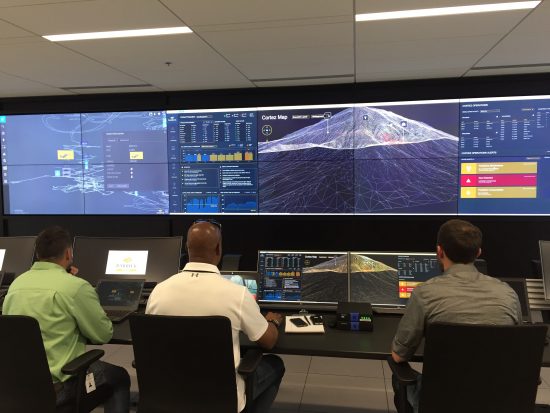
Getting to this point, however, meant changing perspectives around how mining operations are managed and assessing the possible application of digital solutions in our mines. To start, we worked extensively with Cisco and other technology partners to establish our vision and the outcomes we wanted to achieve through digitization. We then assembled a comprehensive multi-year strategic communications plan to reflect the efforts required throughout each step of this transformation – at the local mine level in our Cortez, Nevada, site, and within the broader organization – to prepare for the implementation of digital solutions.

JR: What have been the results of this transformation so far?

Ed Humphries: Our digital transformation has only just begun onsite at Cortez, but we are already seeing tremendous results.

For an example, we have introduced an underground short interval control system at Cortez. This system allows in real-time our people to see the locations and work status of different personnel and equipment which helps with planning. It helps us avoid sending equipment to a heading when it isn’t ready or is already being worked. It has the ability to control workflows and condition of equipment through apps, helping to increase efficiencies.

We are also implementing a digital work management tool at Cortez. The tool lets our technicians check what maintenance work is scheduled for the day, its status and any issues or delays—all in real time. In addition, it lets technicians quickly order replacement parts that they require via a tablet, reducing the time it would have normally taken them. Meanwhile, supervisors can track the progress of maintenance tasks on both mobile and stationary equipment, to better manage their workflow and staff.

In addition, the underground tele-remote system that we’re piloting on several loading vehicles at the Cortez mine allows an operator to sit in a specialized chair at surface to control the loader. This makes loading ore faster and more efficient. The operator could use a larger vehicle and a sensor-guided system to operate that vehicle much faster than he could have if driving it. More importantly, it makes our operators’ jobs safer, by reducing their exposure to the exhaust, dust or any potential rock fall.

We have been developing these digital solutions using an agile development method. Agile uses short work cycles called sprints, where user feedback is collected, prioritized and new features are built into the software in response to that feedback. This allows us to update software at a fast and steady pace.

Some of the more dramatic results have been in how we’ve evolved the way we work as a larger organization. Collectively, our teams have undergone a massive shift and are actively exploring how to connect previously disparate operations. This approach has led us to develop direct collaboration between mine operators and technology developers in the field, which will be instrumental in finding solutions to novel problems as we continue on this journey.

I could go on, but the impact of this transformation comes down to the ability that these digital solutions have to help us improve the quality and flow of information, enabling our people make better, faster, and safer decisions. On a mine site, those are outcomes worth their weight in gold.

My thanks to Ed Humphries for taking the time to share his thoughts.

Read more about the transformation of Barrick Gold’s Cortez mine now, and leave a comment below.


Related:

Barrick, Cisco, Great Basin College Announce Partnership Providing Free Digital Career Training for Employees, Other Northern Nevadans

Cutting the Cord – Barrick Gold and Cisco


Authors

Jennifer Rideout

No Longer at Cisco

Avatar

Make Your Real Estate a Strategic Asset

One of the benefits of working at Cisco is its commitment to a mobile workforce. With Spark, WebEx and Jabber, we’ve got excellent collaboration tools and we can work anywhere. Our office spaces are also great places to work. But we have lots of buildings. And by taking advantage of the flexibility of being mobile, we may leave offices vacant.

No one wants to invest in empty space. In the real world, 50% of office buildings are under-utilized. And real estate is second only to payroll in company cost.

That’s where Workforce Analytics comes in…

Our partner, Rifiniti, sells Optimo, a workplace analytics solution. It’s a SaaS analytics tool that uses data science to measure office space use and employee mobility.

We’ve been working with them for three years to test, improve and validate the benefits of the Optimo platform using Cisco Connected Mobile Experience (CMX). CMX is ideal to gather the wi-fi data that Rifiniti uses to construct analytics, visualization, and reporting tools.

The benefits are impressive. Using our combined solution:

A medical company saw cost per workstation drop from $10,000 to $2300.

A high-tech company saved $18m in five years.

Other mutual customers have reduced facilities and operating costs up to 50 percent.

With Cisco CMX and Rifiniti, we saved more than $600m in CapEx and OpEx in four years.

– Facilities Manager, Global IT Manufacturer

This is too good not to try at home. So recently, we installed Rifiniti in 100 Cisco buildings and have started our own digital utilization study to track occupancy and make better decisions about planning our space.

You can start the digital utilization study as well. Get started here: www.rifiniti.com/cmx and find out how you can lower operating costs and optimize the work space you have today.

Learn More

Watch the video on how it works

An overview of what to expect

Learn more about Rifiniti and Cisco’s joint solution – Infographic

Visit the website –  Cisco Workforce Analytics

Authors

Julie Colwell

Marketing Manager

Global Partner Marketing

Avatar

What happens when students are put on a bus full of technology and asked to problem-solve in a new way? They learn to collaborate, create and think critically.

This is the concept behind iSchool Initiative’s “Escape the Bus” challenge.

The bus has mobilized the popular escape room concept into a classroom on wheels. Players must work as a team to go through each station and solve problems to discover the secrets of lifelong learning. In the process of finding clues, they learn how to apply new technology in the classroom, the importance of the student voice, and the new project-based learning paradigm.

Most recently, the iSchool bus made a stop at ISTE, where hundreds of educators tested their digital learning skills on the vehicle.

In the last year, Escape the Bus has attracted more than 35,000 visitors, including 15,750 students and 11,900 teachers.

So, where does Cisco come into this high-energy learning game?

The bus has a Cisco infrastructure including an Integrated Services Router (ISR) and Intelligent WAN blade that combines high-speed communications, voice and video, wireless management, and secure access—all in one device. Inside the bus there is full wireless connectivity using a combination of Cisco Meraki and Aironet™ access points. And, during the game, participants also seek answers by connecting with people outside the bus using Cisco TelePresence® technology.

Check out the video below to experience the “Escape the Bus” challenge, and read more about the bus, it’s technology and success here.

Authors

Renee Patton

No Longer at Cisco

Avatar

As the pitter patter of raindrops hits the windshield, you tap the brakes and once more find yourself at a dead stop. Your exit is still eight miles away. Someone behind you honks and your navigation app shows an accident up ahead. With your stomach in knots, you call home to say you may miss dinner. Again. After you’ve already missed your daughter’s soccer game.

If you commute any distance to work, you’ve faced commuting nightmares. Accidents, gawkers slowing the flow, bad weather… All the while, our home life continues without us. It’s as though we’re stuck in the middle of a constant tug-of-war between work and home. Dedicating more time to one area usually means sacrificing somewhere else.

How bad is it?
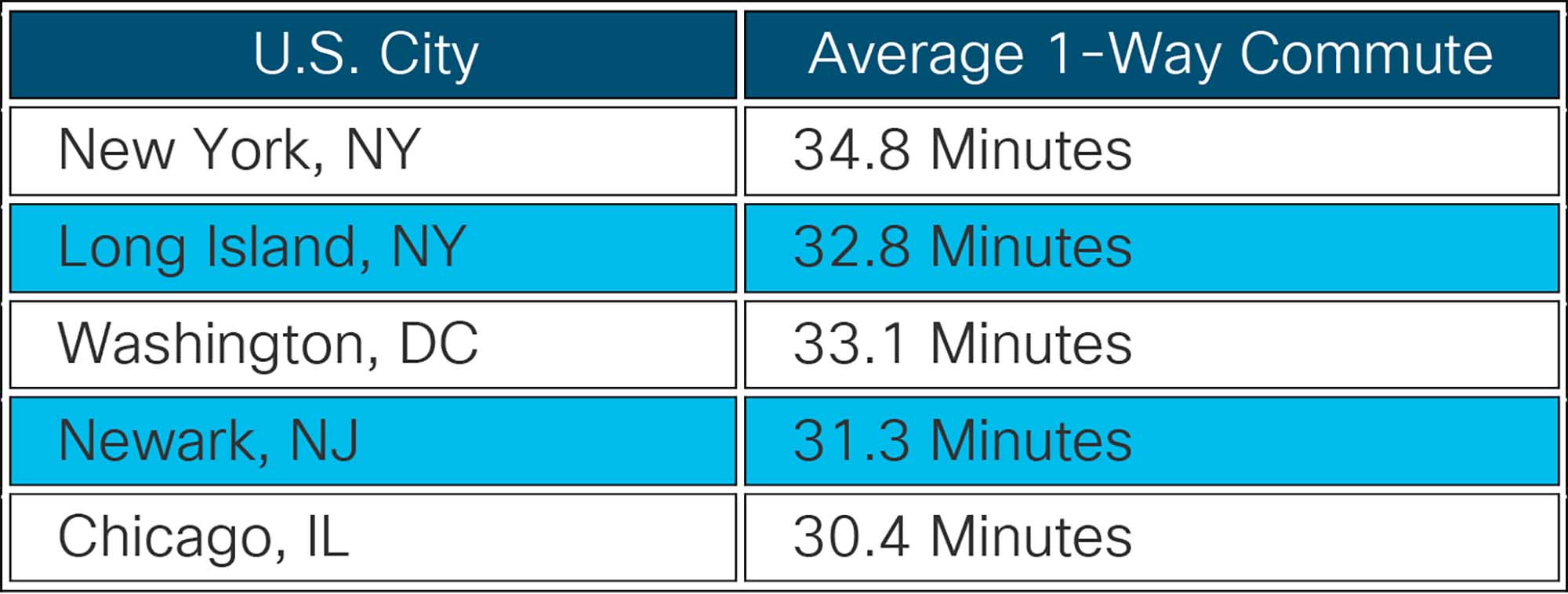
According to the U.S. Census Bureau, Americans average 52 minutes commuting each work day, even without delays. And commutes in the New York area are the highest. America’s longest commutes are:

CNN Money: These Cities Have the Longest Commutes in the U.S.

Beyond the annoyance factor, what do long commutes mean in terms of lost time overall? It’s actually pretty frightening.

Earlier in my career, I lived in the “windy city” – good old Chi-Town (number 5 on the list of “worsts”). I loved the city, but hated the traffic. I lived downtown but worked in the suburbs. In most areas, reverse commutes aren’t so bad, but that wasn’t the case in Chicago (at least not back then). Lots of people commute in both directions, and my drive averaged 75 to 90 minutes each way.

What to do?
You can try commuting at off hours, but that often means having to wake before dawn or get home after dark. Mass transit isn’t always an option – there may be closures or available routes aren’t convenient.

It wasn’t until 2005, when we moved to Colorado Springs for my husband’s job with the U.S. Air Force, that it became clear just how much time I was wasting on the road. The closest Cisco office was near Denver, about an hour away. After a few months of making the drive, I realized I was losing three hours each day — two hours in total drive time, plus time to make myself “office ready.”

At the same time, Cisco was re-evaluating office footprints and facilities costs. I made the case with my manager to work from home full time. Shortly after becoming a remote worker, I had my first child. I now have two boys and can’t imagine life chained to a brick-and-mortar office. With a husband who travels (a lot), I’m frequently on my own for school drop-offs, doctor visits, and karate classes.

How can remote work change
your home and work life?
Connecting with my team members anytime from anywhere is what maintains balance in my life. I still see my co-workers every day (from wherever I may be), and I also get to be home when my family needs me. It has been 12 years since I was last in the same office as my manager, yet I get to see and meet with my current manager over WebEx all the time. It’s the best of both worlds.

Take the 30-day challenge
Will it work for you and your team? Try it. Propose a team trial for 30 days and measure your productivity (and, more importantly, your improved sanity). Even if you start with just a few “mobile” days per week – you can rotate who’s out of the office when.


A 6-step formula for a pilot

Step 1: Share this free WebEx trial link with your team lead or your office communications team. Propose a 30-day trial to increase employee productivity while reducing commuting headaches, delayed morning meetings, etc.

Step 2: Once your team lead has approved the trial, make sure each team member also downloads the free WebEx software.

Step 3: Agree to “in office” versus “mobile” days for each team member. Rotating could be a good way to ease your team into the idea.

Step 4: At home, make sure you have a quiet space dedicated to work, including a reliable internet connection.

Step 5: Commit to using WebEx for 30 days – whether in the office or out – to facilitate your team and 1:1 meetings.

Step 6: Most importantly, track, track, track! During the hours you’d normally spend commuting, identify the additional work you’re able to complete. Keep a detailed log that you and your team can evaluate at the end of the trial period. (You may even want to agree to a consistent log format for all team members to use in advance.)


At the end of your trial, once you’ve reviewed all the productivity information — and you’ve experienced how video conferencing with WebEx can keep your team feeling connected — I think that you, too, will wonder how you ever survived without it.

We’ve all wished for more hours in the day… The real secret? We just need to be more productive with the time we already have. Reclaiming those wasted hours means more dinners at home and getting more work done.

Let us know:
Have you shifted to a full or part-time remote schedule? How has it changed your productivity?

Authors

Erin Broecker

No Longer with Cisco

Avatar

Tuesday we announced our fifth generation of Cisco UCS servers. Today, I want to take a deeper look at the M5 rack servers. If you are interested in our new blade offerings, check out my blog from yesterday.

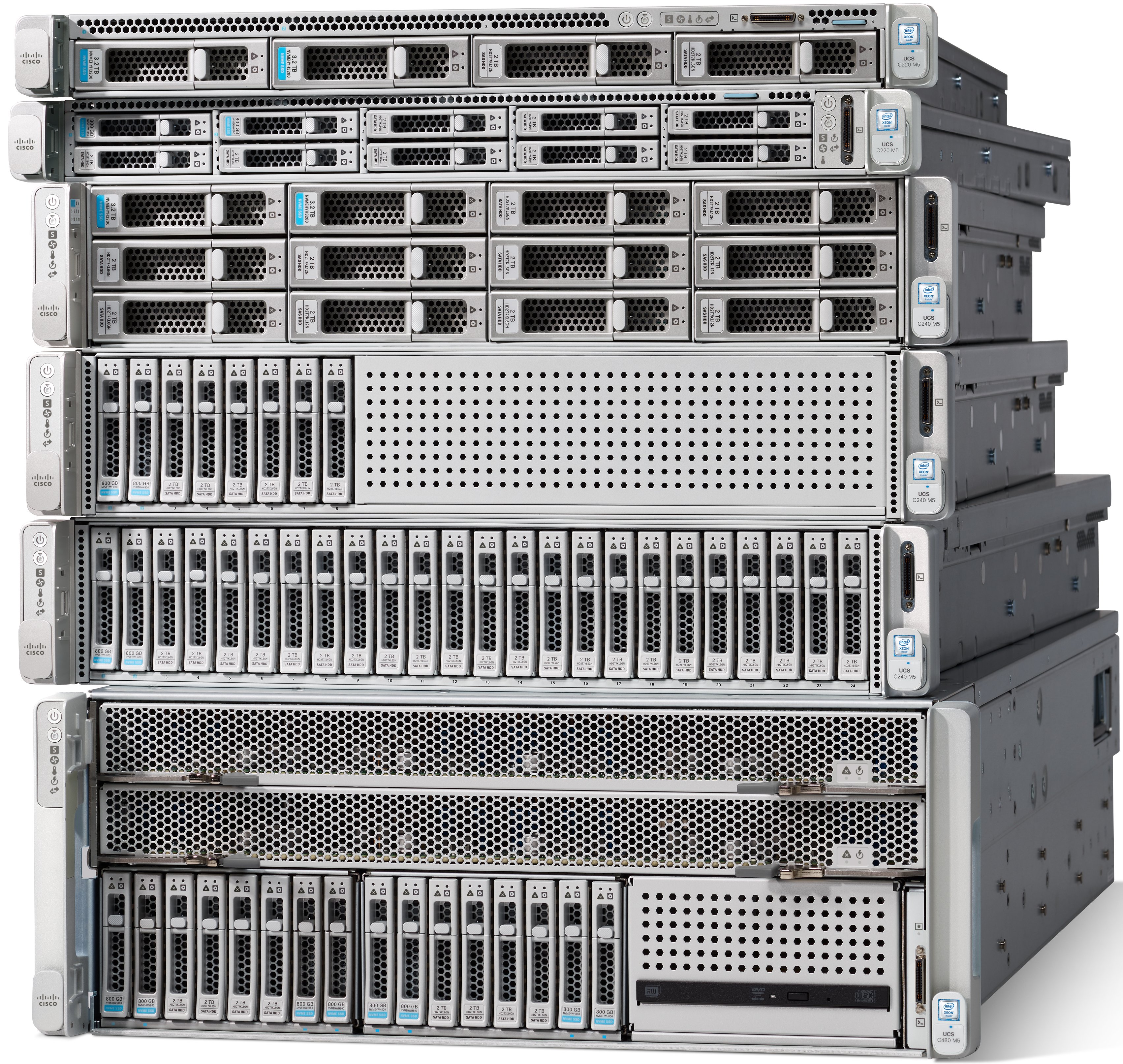
Cisco UCS C220 M5 with Intel® Xeon® Scalable processorsWe put our hard drive sleds on a diet and the C220 M5 bulked up. Customers asked for more storage on the 1RU C220 M5 and we delivered. It now supports 10 SFF SAS/SATA/SSD/NVMe drives, a 20% increase. If SFF isn’t your thing, it also comes in a four drive LFF version. If you don’t want to give up a pair of drives for your boot OS, you can use the new dual M.2 SATA storage devices of up to 960GB common on all M5 servers.

Like with the B200 M5, the C220 M5 (and the C240 M5) gained 20% more cores per socket (56 cores total) with the Intel® Xeon® Scalable processors. If you have more cores, you’ll probably want more memory. All our two socket servers support up to 3TB of DDR4 2666MHz memory.

Cisco UCS C240 M5Continuing to listen to customers, on the 2RU C240 M5 we moved the two OS drives external and made them hot-pluggable. Now on the same RAID controller as the front 24 SFF drives, customers have 26 high performance SFF drives totaling almost 200TB.

All of the new M5 rack servers have two 10GbE LOMs as well as support for Cisco VICs and integration into UCS Manager with SingleConnect technology. SingleConnect allows you to collapse your data, storage, and management onto a single network and provides significant CapEx and OpEx savings from reduced port counts, cables, and management. All of our rack servers can be managed standalone through their CIMC (our BMC), centrally through the CIMC with Cisco IMC Supervisor, or with UCS Manager as mentioned above. When you use UCS Manager, you will get a consistent management experience regardless of workload or server type: blade, rack, or dense storage server.

All of the M5 servers are Starship ready. Starship is cloud-based management and advanced operation analytics. This generation of UCS systems has all the hooks in place for integration with Starship when that platform launches later this year.

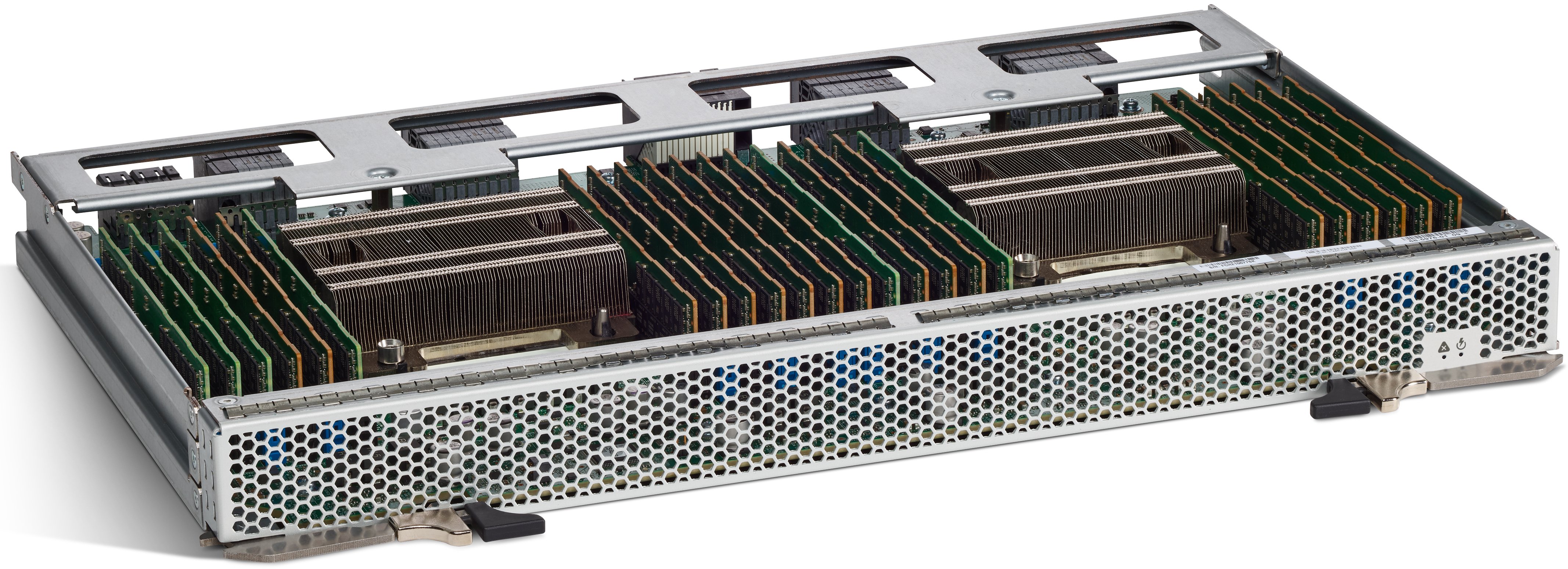
Cisco UCS C480 M5 CPU Module with Intel® Xeon® Scalable processorsWe completely redesigned our 4-socket server with the C480 M5. With lessons learned from the C3160 and S3260 dense storage server, we put the CPUs and memory on trays making them modular. We realize through our conversations with customers that you make a significant investment in the sheet metal, drives, and PCIe options as well as installation and hooking it up to the network. When future CPU and memory technology come along, that investment is protected. Now all you have to do is swap out the CPU/memory module to take advantage of better performing parts. No need to run new cables or new network hook-ups.

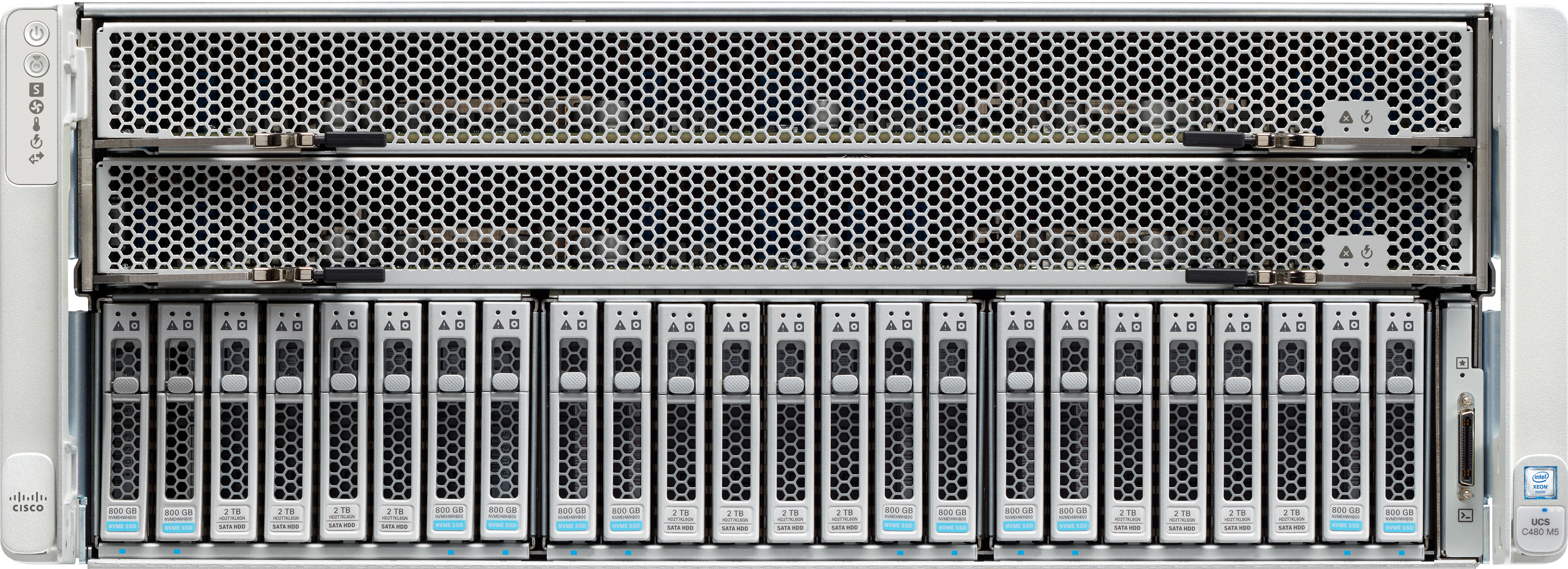
Cisco UCS C480 M5The improvements don’t stop there. The C480 M5 now supports 32 SFF drives (24 front loading and 8 top loading) and has 12 PCIe slots with triple the GPU capacity of up to 6. GPU density is a key metric for both deep learning and VDI which the C480 M5 delivers on.

With all of this modularity, improvements, and 6TB of memory, the C480 M5 is ready to take on the most demanding workloads.

For more information on all of our Cisco UCS M5 servers, go to www.cisco.com/go/ucs.

Cisco UCS M5 Rack Servers with Intel® Xeon® Scalable processors

Authors

Bill Shields

Senior Product Manager

UCS Solutions Product Management