The Great Certificate Size Explosion – IPsec Series, Part 7
Hands-on with OpenSSL 3.5: we generate classical and post-quantum certificates and weigh them side by side. Then we sign, verify, and tamper.





Hands-on with OpenSSL 3.5: we generate classical and post-quantum certificates and weigh them side by side. Then we sign, verify, and tamper.
Auth is the other pillar, with a sneakier quantum deadline: a live signature need only resist forgery until it's verified, but long-lived trust anchors and slow PKI migration mean roots must go quantum-safe early. We meet ML-DSA and SLH-DSA
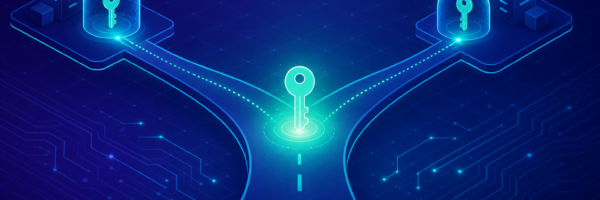
A second road to quantum safety: a Postquantum Preshared Key mixes an out-of-band secret into the IKE key schedule that never travels the wire, so even a classical handshake resists "harvest now, decrypt later," on gear not supporting ML-KEM.
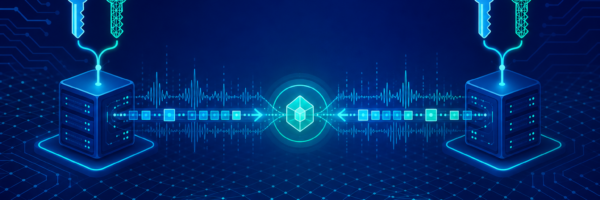
We build a real hybrid IKEv2 tunnel in two Docker containers, capture the packets, and run classical versus hybrid side by side, seeing the extra round trip, ML-KEM fragmentation, and that going quantum-safe costs almost nothing.
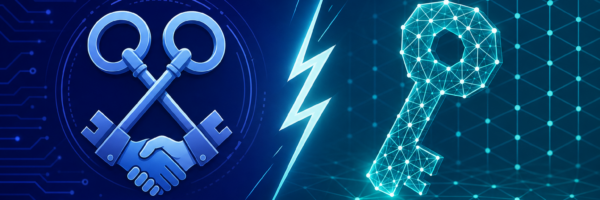
We put Diffie-Hellman and ML-KEM side by side on size, latency, compute, and security, and land on the smartest move: a hybrid key exchange that runs both and combines their secrets, so an attacker would have to break both at once.
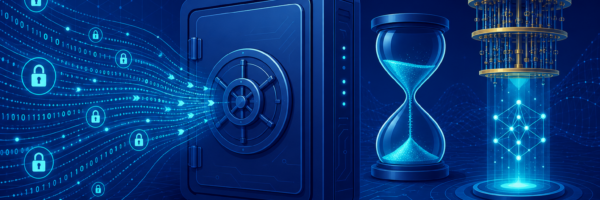
We zoom in on key exchange and its urgent "harvest now, decrypt later" threat, where attackers record encrypted traffic today to decrypt once quantum hardware matures. Then we meet the two contenders: classical Diffie-Hellman and post-quantum ML-KEM.
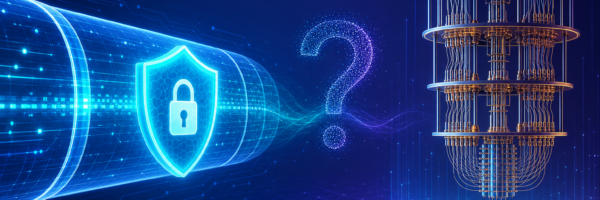
Quantum computers will break today's crypto. We introduce the two pillars of a secure handshake, key exchange and auth, and how each faces a different quantum threat: "harvest now, decrypt later" versus the slower risk to long-lived trust anchors.

Learn how you can start working with the Meraki API to create a chatbot that tells users about the Meraki networks they manage.

Learn about "ChatOps" - operating infrastructure systems with bots via messaging applications. In Part 3 of the series, learn how to obtain all details about messages received from your ChatBot.


