
Over the course of the past decade, expectations of the network have changed dramatically. Customers are insisting on simpler, more agile networking. They’re also less interested in the performance of the pieces that make up the network than they are in the outcomes – the business results – the network helps them achieve.
To meet these demands, Cisco is on a multi-year journey to transform the way we monetize software. Many people have asked me for my perspective on how our approach has evolved over time and where we’re headed. I describe this as the three phases of Cisco’s software monetization journey:
Phase 1: Device-based “features on boxes”
For most of Cisco’s history, we monetized our innovation by selling devices – routers, switches, etc. New device models would be released every three to four years, featuring new hardware capabilities (e.g., faster speeds) and new software features (e.g., performance-based routing). This approach worked well for decades, as customers frequently refreshed their devices, which gave them access to new capabilities, including both hardware and software based innovation.
Over time, the relative value that customers realized shifted from hardware to software. Mirroring what we saw in the evolution of the personal computer, improvements in hardware grew less noticeable to the end customer over time. For example, a user could access high quality video and corporate applications just fine with either a 100 MB/sec or 10,000 MB/sec connection.
At the same time, customers were placing increasingly higher value on new software-based capabilities, like policy-based automation, enhanced security, and network analytics. Cisco engineering had pivoted to develop these capabilities, but for many customers, having access to the latest advances only at the time of new hardware purchases was not ideal. Our monetization approach had to change to better deliver this innovation to customers.
Phase 2: Software Suites (Perpetual Licenses)
In January 2015 we launched Cisco ONE Software, which was a radically different monetization model for infrastructure software. Instead of requiring customers to purchase an assortment of features with each device, they could now purchase a single software suite pre-packaged for a particular use case. When we separated the software commercially from the underlying hardware, customers benefited from license portability – the right to transfer software licenses from one device to the next, instead of having to repurchase the licenses with replacement devices. Finally, we simplified customer licensing for Cisco ONE Software across their environment through the Cisco Enterprise Agreement. The market responded favorably, and over the past two-and-a-half years over 20,000 companies, including 95% of the Fortune 100, have purchased Cisco ONE Software.
Phase 3: Software Subscriptions
While the Software Suite approach has been successful, we felt the model could be further improved by transitioning from perpetually licensed software into software subscriptions, for several reasons.
- Faster access to innovation: a subscription model creates the right alignment with product engineering to deliver new innovation to customers on a more frequent basis
- Better financial planning: linear and predictable budget spend, with the ability to leverage operating budgets instead of having to capitalize the software investment
- IT agility: shorter planning cycles because of the lower cost associated with ramping software capabilities up/down
Subscription models also force vendors to “stay on their toes” and constantly delight customers or risk not having their subscription renewed. This creates a good business dynamic and engagement model between product engineering teams and their customers.
Hence, we are continuing to rotate Cisco’s infrastructure portfolio to the subscription model. As part of the Intuitive Network launch, we released a new way to license our core infrastructure software, through a subscription based model. This was made available on the Catalyst and Wireless platforms. We’ve also released subscription offers within our Data Center portfolio (e.g., Tetration, Enterprise Cloud Suite, InterSight). Over time, we’ll transition more of the infrastructure portfolio to this model to help customers more broadly realize its benefits.
I hope this was helpful in explaining the transformation underway. I’d appreciate your thoughts and comments below.







 Many people call the company they work for “great” – it’s something that they feel they are supposed to do, and so they do it.
 There are many powerful stories I could share with you here, but I want to start with the moment that solidified to me that I was more than just an employee here at Cisco – I was family.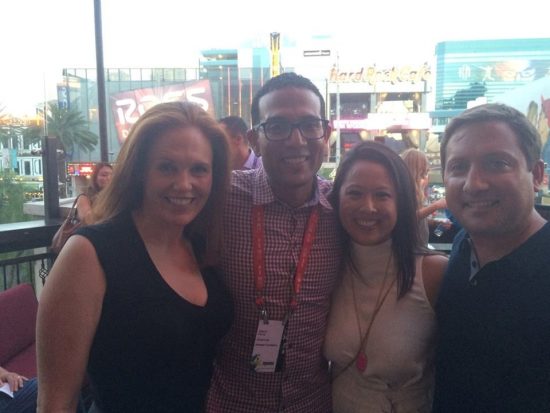
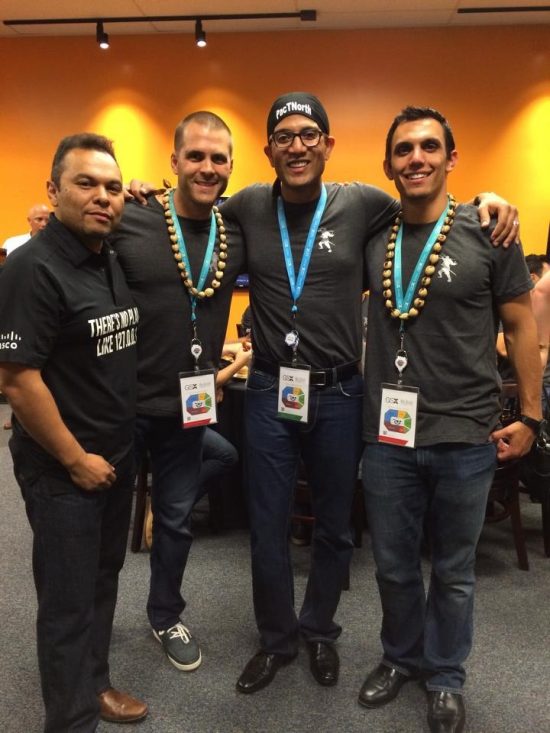



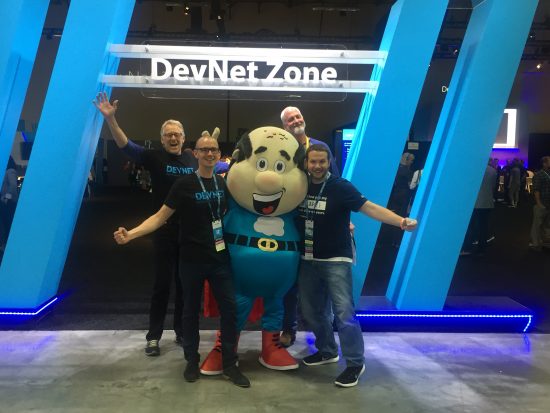 But the real story here is the number of men who have helped me thrive as a woman in this industry. These are the men who are part of my Cisco family. At Cisco, we always think of our teams, our peers, and our co-workers as our family. We make conscious efforts to see each other as equals. We surround each other in times of need. Simply put, we’re kind to each other. As one of the relatively few females in this industry (although the number of sisters is growing quickly!), I am surrounded by some wonderful brothers who have helped me thrive in this environment. My Cisco brothers have spoken up on my behalf in meetings when they noticed inequities or heard derogatory comments about women. My brothers have literally stepped up when I faced difficult situations where I was made uncomfortable by the behavior of customers or partners. They identified these potentially bad scenarios before I was even aware, and helped prevent them from happening. My brothers at Cisco also prevent me from walking back to my car or hotel alone, no matter how much I argue that I’m a grown woman and capable of defending myself. They do this because they’re my brothers, they care, and they take care of family. I’m grateful for my brothers, and want to thank them for all their support.
 Most of the negative behavior I’ve seen in my career has been a lack of awareness or education on what is and is not acceptable. My brothers and sisters at Cisco have it figured out. We are family, and we want the best for each other, so we treat each other that way. People from every industry can learn from my Cisco brothers. Let’s all ask ourselves, “How do you want others to treat your sister, your daughter, your mother in her work environment? How do you want others to think of them and speak to them?” It’s time for us all to be positive examples — to influence others to be respectful and kind.