As we approach the final week before DevNet Create, I wanted to share with you details on how to make the most of your time. I recently posted about the agenda and the engaging lineup of keynotes and presentations. In addition to these speakers, we
As a set of tools and best practices to deploy, manage and troubleshoot network devices, network programmability delivers time and cost savings, reduction of human error, customization and innovation.
If you are reading this blog then you most likely understand that APIs allow inter-working among products. In the context of Firepower Management Center, the REST APIs allow programming of the Firepower devices to allow one to automatically provision
Join our #CiscoChat at 8am PT on March 22. Is the CLI really at risk of going away, or can new network APIs and the CLI happily co-exist? Join Cisco Developers and Systems Engineers on developer.cisco.com to lead this discussion.
The Cisco PSIRT openVuln API is a RESTful API that allows customers to obtain Cisco security vulnerability information in different machine-consumable formats. It supports industrywide security standards such as the Common Vulnerability Reporting
I’d like to share some of my favorite things inside Cisco Digital Network Architecture (DNA). Before we get going, I thought it would be fun to just spend a moment on what DNA is, from a layman’s perspective. Cisco DNA revolutionizes the way you
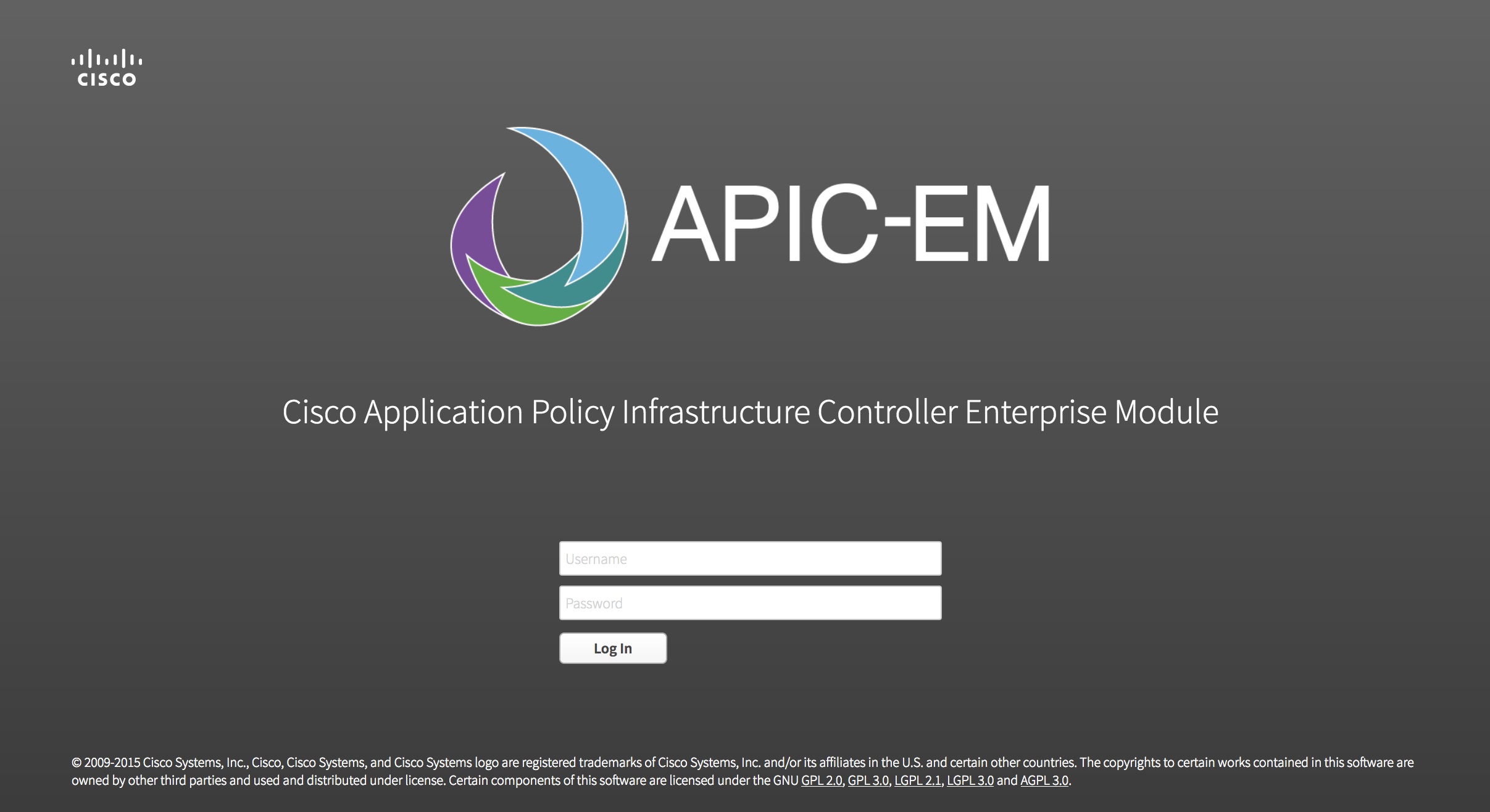
Just over a year ago Cisco announced the general availability of APIC-EM (#APICEM), a software defined networking (SDN) platform for the enterprise branch, campus and WAN. In just over 12...
Orchestrating the smart city ecosystem is a combination of art and science that blends company cultures, business models, and objectives into a living, evolving expression of alignment with the goals of city leaders and citizens.