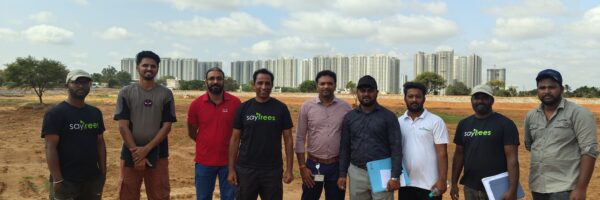
Cisco has partnered with SayTrees, CLEAN International, and Bonneville Environmental Foundation to restore a lake in Bangalore, India, improving water storage and recharge potential, controlling erosion, and supporting ecological recovery.
Cisco has evolved our product carbon footprint (PCF) data to not only estimate the GHG emissions of a product over its life cycle, but to incorporate the impact of growing electricity grid decarbonization over time.
AI, trusted data, and partnerships are key to accelerating sustainability. Learn how Cisco and partners are using technology to explore new sustainability solutions.
As customer expectations continue to evolve, sustainability data will become increasingly important to how Cisco supports customers and strengthens business decisions.
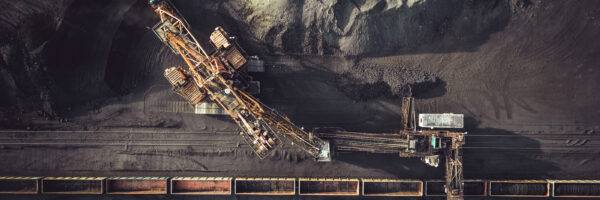
As demand for digital infrastructure grows, so does the importance of understanding where materials come from, how they are produced, and how that can affect both people and the environment.
Smart building data is being used to make buildings more efficient, more responsive, and better aligned to the people and businesses that depend on them.