What’s your 10-year plan?
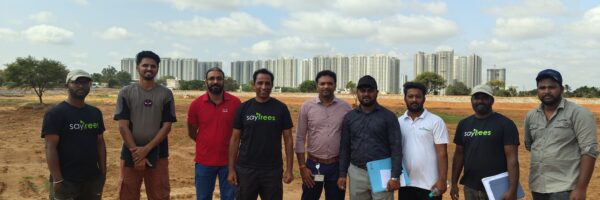
Cisco has one: we’ve partnered with SayTrees, CLEAN International, and Bonneville Environmental Foundation to replenish a volume of water equal to the amount we use at our campus in Bangalore, India over the next 10 years.
To accomplish this, we’ve funded the restoration of a lake in Bangalore, helping to reduce local water scarcity and improve the environment. This is part of our strategy to support the water-stressed communities in which we operate.
How water scarcity impacts Bangalore
With nearly three-quarters of the world’s population living in countries classified as water-insecure or critically water-insecure, many groundwater systems across the world are beyond safe depletion limits. This is the case in Bangalore, where rapid urbanization and insufficient maintenance have driven an 85 percent decline in water storage capacity, threatening water security (source).
Historically known as the “city of lakes,” Bangalore has experienced significant population growth — tripling in size from 1990 to 2020. As the city expanded, the interconnected lakes used to store groundwater and provide water for drinking and agriculture were built over, shrunk, or dried up — leading to severe water shortages. Water is now sourced from increasingly far distances and delivered by tanker truck. Sixty percent of Bangalore’s households rely on water sourced this way for their daily, according to a SayTrees report.
Annual monsoons could help replenish Bangalore’s lakes and groundwater, but the diminished lake area and blocked connections reduce the amount of water that can be retained. Instead, the heavy rainfall often contributes to urban flooding.
Turning the tide on water scarcity
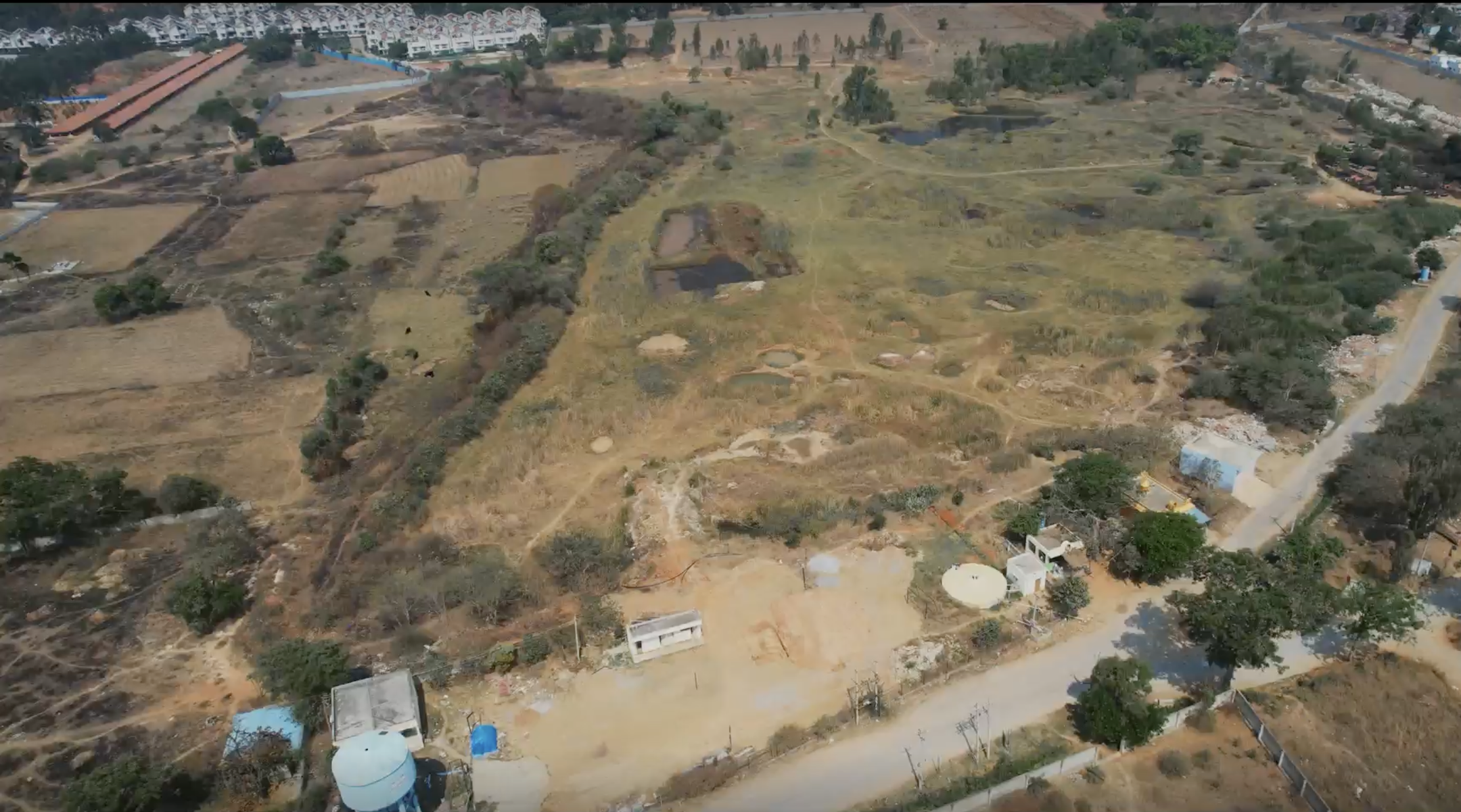
These factors underscore why Cisco is supporting a project to restore and maintain Valagere Kallahalli Lake. The lake, located near Cisco’s campus in Bangalore, is a traditional irrigation basin that used to be a key source of life for the local community. Over time, silt accumulation, invasive weed growth, and dysfunctional inlets and outlets have depleted its water supplies and damaged its surrounding habitat.
The project aims to control erosion, support ecological recovery, and improve water storage and groundwater recharge potential (the amount of water that can be absorbed into the ground to replenish an aquifer). The restoration is expected to replenish approximately 158 million liters of water each year, an amount equivalent to about 63 Olympic-size swimming pools.
Make way for the lake makeover
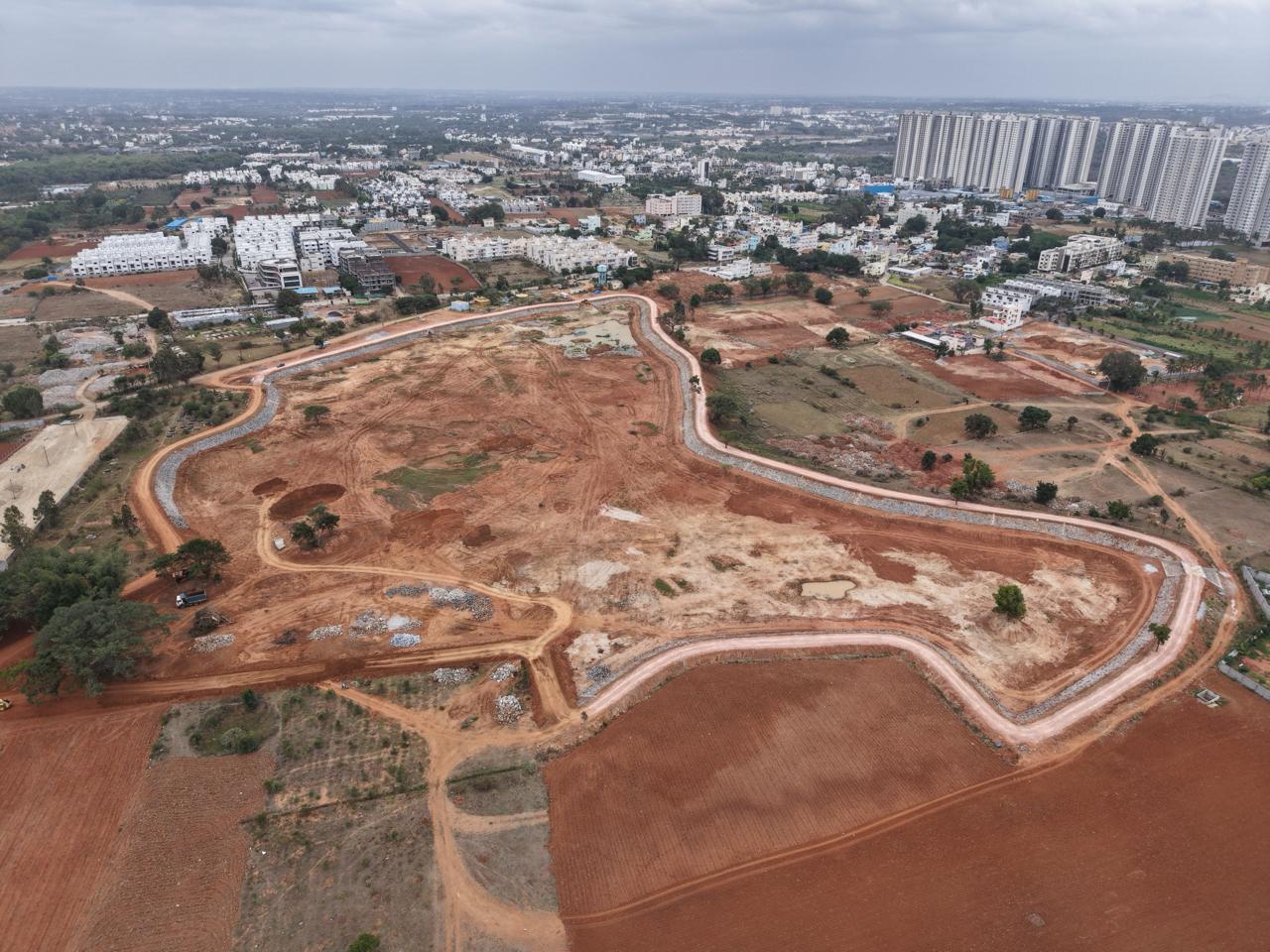
SayTrees, our local partner, takes a science-based approach to lake restoration. The project begins with satellite and GIS (geographic information system) analysis of the site, as well as an evaluation of any site-specific challenges. Then, hydrology and engineering studies take place, and agreement is secured from the Panchayat (the local water governing body) and the state government. The construction phase includes desilting, catchment restoration, erosion control, and the construction of inlets and outlets.
Desilting removes silt and sediment from the lakebed, restoring and improving the lake’s original water storage capacity. Catchment work includes forming or repairing the main and peripheral bunds, earthen walls that capture rainwater and prevent erosion. Inlets and outlets control the flow of rainwater in and out of the lake during heavy rainfall, minimizing the risk of flooding and improving rainwater collection across the connected lake system.
As part of the project, vegetation and a walkway were added around the lake to support recreational and community use of the lake area. IoT sensors and cameras enable SayTrees to monitor lake conditions and water levels over time. This data helps the SayTrees team manage the interconnected system, track water storage patterns, and assess the overall effectiveness of the project. Lastly, they also plan to organize a festival for the lake inauguration to celebrate the restoration with the local community.
How Cisco uses water responsibly
The project at V. Kallahalli Lake supports Cisco’s wider approach to responsible water use across our operations, supply chain, solutions and services, and investments.
Cisco strives to conserve water in our operations, especially in water-stressed areas. We train our suppliers on water management best practices to help prevent pollution around supplier sites and work towards clear, consistent, attainable water use standards.
Our product portfolio supports water utilities solutions, like SCADA system modernization — systems critical for water treatment — and leak detection.
Additionally, the V. Kallahalli Lake restoration project strengthens our relationship with local government and aligns with Cisco’s 40 Communities initiative to partner with global communities to drive impact and resilience.
What’s next?
Over the next 10 years, SayTrees will work closely with the local Panchayat to maintain and protect the lake and conduct any necessary repairs. They also plan to invite local students and volunteers to assist with planting and cleaning efforts. After that, maintenance of the lake will be handed back to the local community, with SayTrees available to support as needed.
To learn more about how we’re investing in resilient ecosystems, visit the Energy and Sustainability section of the Cisco Purpose Reporting Hub.

Power an Inclusive Future for All
Driven by our Purpose, we combine our technology, people, and broader networks to address society’s greatest challenges.
Learn more about our Purpose