Avatar

Can you be a dancer and be a Cisco technologist? Yes! We don’t leave our passions at the door when we come into the office.

I’ve always loved dance. I remember the arguments with my parents when I told them I wanted to open my own dance school. They wanted me to get an education and a secure job, I just wanted to follow my dreams.

I thought you’d have to drag me into a “day job,” but I realized that, when I landed my job at Cisco, that I was meant to be here. I realized this was a place that wasn’t as bad as I’d always thought “corporate life” would be. Why? Because some of the most creative people I’ve ever met are here. There are singers, photographers and even athletes. Working at Cisco allows us to contribute to technology that makes the world a better place, but also gives us the freedom – and sometimes a platform – to pursue other things, too.

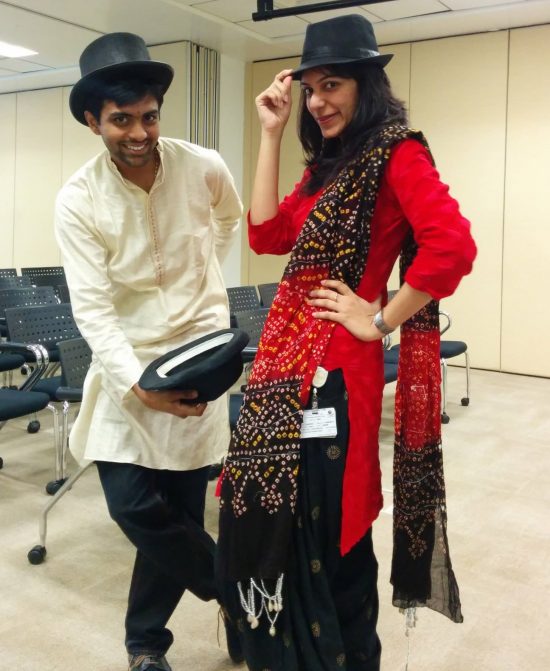
I even found someone who was as crazy for dance as me, Surya Raju! We are co-workers but also friends. Together, we started choreographing for team events, in addition to our regular work. It wasn’t easy to fit it all in, but it was fun. Here I was, teaching dance, and bonding with so many other employees across many teams. Plus, people liked learning from us. IT was a win-win.

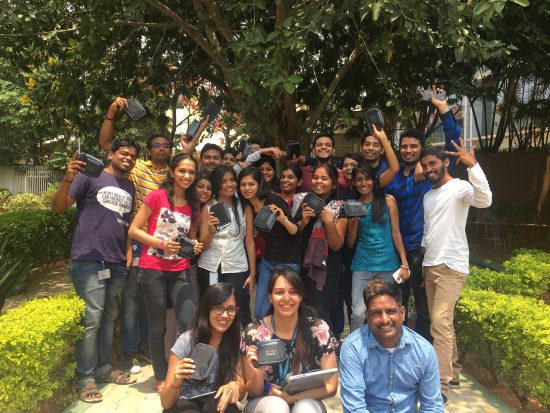
Because so many people told us they enjoyed dancing, we started our very own Cisco dance club! People started enrolling, and pretty soon we’d gone from 10 dancers to 100! Together, we do flash mobs for fun, dance workshops and events for different business units. Then, we took our dance to YouTube! We have our own channel – Dance Basanti (go check it out! 😀 ) More and more people reach out to us to work with their teams on dance.

It’s not always easy, but it is always fun. My career is super important to me, and I want to make sure I’m living up to Cisco’s expectations. My managers are the best – they are understanding about how important dance is to me, and they always encourage and support me. (In fact, we’ve even taught THEM some of our dance moves 😉 )

I’ve realized that at Cisco, the company realizes that you’re a person first, and supports each of us. It helps us, but it helps Cisco. The company gets the best of us because they let us be our best selves.

Plus, Cisco holds events to help us be the best and inspire us. For me the best day in Cisco was when I met Lauren Gottlieb (She’s a very famous dance artist, and I’ve idolized her dancing skills.) When we launched the Network Intuitive in the Enterprise Networking Group, she was there. I just didn’t get the opportunity to meet her and talk to her, but also got to dance with her (even if only for a few seconds, but it counts!) That would’ve never happened had I not been a part of this terrific new technology launch – of a network that learns, adapts and anticipates the next steps. The technology itself is a bit like a dance.

There’s a song called “I Hope You Dance.” That is my hope for you. I hope you dance when the music comes on, like no one is watching (maybe even using some dance moves I’ve taught!) I hope you dance through your career working on big things like the Network Intuitive.

Follow your passions at Cisco. I did!

Want to join a company that encourages your passions? We’re hiring!

Authors

Tanya Bhatia

Technical Marketing Engineer

Enterprise Switching Group

Avatar

When it comes to scary movies, the most terrifying ones are often about the unknown. It’s easy to grasp a frightening ghost, monster, or some lunatic chasing after a group of folks whose van broke down in the wrong town. However, the unknown allows for another level of paranoia because you never know what’s coming next. To quote H.P Lovecraft:

“The oldest and strongest emotion of mankind is fear, and the oldest and strongest kind of fear is fear of the unknown.”

When it comes to industrial security, that fear of the unknown is a common thread for manufacturers. Increasingly, they are learning that many of their legacy systems are inherently insecure. Older PCs on the plant floor are no longer supported and are vulnerable to viruses and ransomware. Employees and contractors come in and out, carrying with them laptops, mobile devices, and thumb drives infected with threats that could shut down operations. Malicious hackers are continually looking for exploits to get inside industrial systems. It’s an overall scary scenario highlighted recently in the Cisco 2017 Midyear Cybersecurity Report.


Cisco cybersecurity awareness month malware ransomware

Make fear your advantage

There’s always risk involved with the unknown. However, there are ways to turn that fear into an advantage. One of the first things to do is to accept the anxiety and recognize that it’s there for a reason. The next step is to prepare so that your organization can overcome fear and then use it to anticipate potential threats.

So, how can you mitigate the concern of these security risks? Deploy a combination of trusted best practices, new technologies, and strategies:

  • Conduct a security assessment: This is the first step in understanding where any potential vulnerabilities are within critical infrastructure. It’s also crucial for an organization to know what needs to implemented in places in regards to access, as well as current understanding of procedures and how to enforce policies.
  • Use a defense-in-depth strategy: Modern, advanced threats require a holistic security strategy. That’s why manufacturers should turn to a defense-in-depth approach. “Defense-in-depth” strategies incorporate layers of independent security controls (physical, procedural, and electronic).
  • Follow trusted best practices: In the modern landscape of Industrial IoT, some old best practices still apply. Device segmentation remains an essential first step, and it’s always important to create specific policies that define device access. Robust firewalls are still critical.
  • Include technologies that play an indispensable role: Modern networks need to operate as a security extension. They need to provide context into the system and identify traffic patterns and the flow of data.

Don’t let fear of the unknown overtake your organization. The right security strategy is key to avoiding things that go bump in the night.

To learn more about assessing risk and setting a security strategy, visit our interactive security experience for manufacturing.

I also invite you to explore the following manufacturing topics:

Authors

Eric Ehlers

No Longer at Cisco

Avatar

It was about 18 months ago, when I started a new project called “Catena”. It was based on my inventions in the area of application-chaining, security, segmentation and L4-L7 applications integration.

I also lead/managed the team to design, develop, validate and deliver the product to customers. The Catena project has grown significantly in last few months. Catena has won 4 industry awards. A large number of customers are deploying Catena.

Catena allows the user to create, orchestrate and scale an elastic network. It could be a data center, service provider or enterprise network.

The innovative solution works with all L4-L7 virtual and physical devices, such as, Firewalls, IPS, IDS, WAAS, DDoS protection, load-balancers, SSL offload engines, network monitoring, etc.

The solution is natively embedded into the switch/router, i.e., the user doesn’t have to buy any service module or external hardware.

Here are some key points:

  • Catena doesn’t use any additional packet headers (neither proprietary, nor standards based)
  • Catena doesn’t mandate the use of any specialized hardware
  • Catena doesn’t mandate the use of any particular controller

Here are some of the links:


For more information and slide deck, please email nxos-catena@cisco.com


Authors

Samar Sharma

Intelligent Traffic Director for Nexus 9k/7k/6k/5k

Avatar

Smart home devices, driverless cars, fitness wearables, and retail beacons — our increasingly digitized world is becoming an increasingly connected world. And a connected world is a strong world.

Thanks to new, digital solutions, business leaders now have access to the tools and insights they need to make faster, better, data-driven decisions. Looking ahead, they stand to gain even more as the Internet of Things (IoT) expands to include 500 billion devices and objects by 2030.

But digitization isn’t just enabling business leaders to grow beyond themselves. It’s also leading them to think beyond themselves; to drive economic development in fragile regions, and to work together to overcome societal and environmental challenges.

It’s technology for the social good, and it’s the topic of our next #CiscoChat, taking place Thursday, November 2nd at 10 a.m. PT. The Cisco Corporate Social Responsibility Twitter channel (@CiscoCSR) will host the chat and a number of featured participants, including:

  • Cristina McGlew Castro (@cmcglew): Strategist, CSR Strategy and Global Problem Solving 1B, Cisco Corporate Affairs
  • Heather Franzese (@LaborlinkTech ): Vice President, Worker Engagement, Laborlink
  • Mary Elizabeth McCulloch (@Project_Vive): Social Entrepreneur, Founder, Project Vive
  • Teresa Cauvel (@Neopenda_Health): Co-Founder and CTO, Neopenda

They’ll share real-world examples of successes and key learnings when it comes to the development of technology solutions with a social purpose. To participate in the chat and see how digitization can contribute to social good, be sure you follow these steps:

  • Make sure you’re logged into your Twitter account.
  • Search for the #CiscoChat hashtag and click on the “Latest” tab.
  • Follow the right accounts to participate.The Twitter chat will take place on the Cisco Corporate Social Responsibility channel (@CiscoCSR), and will kick off at 10 a.m. PT (1 p.m. ET) with questions for discussion.
  • If you need multiple tweets to answer a question, preface each tweet with “1A,” “2A,” etc. in order to make it easier for others to follow along with the conversation.
  • Be sure to use the #CiscoChat hashtag at the end of each tweet, so that others can find your contributions to the discussion.

Don’t forget to bring your own questions to the #CiscoChat. We look forward to talking with you!

Authors

Austin Belisle

No Longer with Cisco

Avatar

Today I am more optimistic than ever about the future of my home state of Michigan, where I have spent my entire career including the past 21 years at Cisco. Michigan has made great strides to overcome setbacks faced during the Great Recession, and the economy is coming back in a big way, thanks in large part to the state’s push to accelerate digital innovation and strengthen its workforce. This year statewide unemployment hit its lowest rate in 17 years[1], and there has been a 48% increase in active venture-backed startups over the past five years.[2]

So when it was time to bring one of Cisco’s most important global programs to the United States, there was only one place to start – right here in Michigan. To date, Cisco’s Country Digital Acceleration (CDA) program has launched in 16 countries around the world, helping them grow GDP, streamline government services, attract new investment and increase innovation capabilities. Now we’re bringing this model to the United States, starting at the state level. I am pleased to announce that Michigan will be the first state to join the State Digital Acceleration (SDA) program, a 3-year targeted collaboration program to advance the state’s digital agenda.

Michigan is fortunate to have forward-looking leaders like Governor Rick Snyder, who understands the role of technology in Michigan’s continued economic transformation. The program will help advance his following digital priorities:

The Mobility State: Connected Roadways

Driving as we know it today could be obsolete in the not too distant future: it is estimated that there will be 21 million self-driving cars on the world’s roads by 2035.[3] Given Michigan’s automotive heritage, it’s only natural that we’re ahead of the curve in connected mobility. Michigan ranks No. 1 in the nation for connected and automated vehicle projects,[4] and has committed to connecting more than 350 miles of connected roadways by 2019.[5]

Building on this state’s leadership in automated vehicles and connected infrastructure, Cisco will explore a partnership with the Michigan Department of Transportation (MDOT) to pilot Cisco Connected Roadways throughout the state to enhance passenger and roadside worker safety. The technology captures real-time data about traffic flows, environmental conditions, road conditions and more, which will enable the automation of critical safety decisions like reducing speed limits on variable message signs. These integrated technologies will be key to moving Michigan toward its goal of zero highway deaths.

Innovative Digital Economy: Digital Manufacturing and Supply Chain

Michigan has a long history of manufacturing innovation, which continues to fuel its economic success. Today, we lead the nation in the development of factory automation technology, which spans some of the biggest companies in the world to nimble innovators in every corner of the state. The manufacturing sector employs over half a million workers statewide, nearly one out of every six private sector jobs.[6]

However, innovation is a hands-on exercise. Through SDA, Cisco is proud to drive this leadership in advanced manufacturing through collaborations with manufacturers and research institutions throughout the state. This includes a partnership with Wayne State University to help develop its Smart/Digital Manufacturing Center in Detroit, a 25,000-square-foot innovation and validation hub focused on advancing innovation in manufacturing, specifically in automation and robotics. SDA will also strengthen Cisco’s close relationship with Michigan State University on upcoming projects.

Workforce of the Future: Digital Training and Education

Nothing is more important to Michigan’s digital future than having a workforce that is prepared to participate. Yet many jobs in the state remain unfilled because of a shortage of skilled workers.

Cisco is committed to addressing the state’s talent gap through its Networking Academy, our IT skills and career building program for learning institutions and individuals worldwide. The Networking Academy is now in its 20th year of operation in Michigan, to date training 30,000 Michiganders across 65 different academies. Education and Networking Academy is the cornerstone of SDA, and we plan to more than double the enrollment in the state from 3,000 students today to 8,000 students by 2020.

Citizen-Centric Government

The way government interacts with citizens can dramatically improve quality of life and open new opportunities for citizens. Michigan is at the forefront of the smart government movement to better deliver effective and efficient services. Michigan was one of the first states to centralize IT functions into a single department and is recognized as a national leader in development of cybersecurity strategies. It is also making government services increasingly accessible to citizens, even creating one of the first-in-the-nation mobile applications called MiPage to unify services and information for residents in a single location.

To advance this goal of a fully citizen-centric government, Cisco will partner with the Michigan Department of Technology, Management, and Budget (DTMB) to improve services delivered to citizens and state agencies. This includes collaboration around a converged network platform for innovation in the future in services, security, collaboration, cloud and more.

Smart and Thriving Communities

It’s been almost 20 years since Michigan was on pace to surpass 10 million residents. Governor Snyder has set out to reverse this trend, announcing an ambitious goal earlier this year to bring Michigan’s population back to 10 million people by 2020. So far, the state is on track to meet this target: Michigan’s population is growing again due to the state’s continued economic turnaround.

Creating smart and thriving communities will be critical to attracting people to come live, work and invest in Michigan, in rural and urban areas alike. Cisco’s SDA program will prioritize smart solutions to making Michigan a safer and more attractive place to live. As a global leader in Smart and Connected Community solutions, we look forward to working with Michigan communities to continue this positive momentum.

Through this incredible program, I believe Michigan is well positioned to be America’s next great tech hub. As a native Michigander, I consider it a great privilege to play a role in helping make that a reality.


[1] http://www.michigan.gov/snyder/0,4668,7-277-80388_80397-426750–,00.html

[2] http://michiganvca.org/research/research-report/

[3] https://www.ihs.com/country-industry-forecasting.html?ID=10659115737

[4] https://www.ahealthiermichigan.org/2017/06/08/how-michigan-is-leading-the-mobility-race/

[5] http://www.detroitnews.com/story/business/autos/2016/07/13/mich-calif-race-self-driving-car-infrastructure/87063728/

[6] http://www.michigan.gov/documents/mdcd/WDA_ManufacturingFINAL_opt_410543_7.pdf


Authors

Alison Gleeson

Senior Vice President, Americas

Worldwide Sales

Avatar

Let me share a dirty little secret about being a chief information officer in higher education: most of the decisions I get to make on a daily basis are not technical; they are economic. Given the rapid pace of change in higher education and the breadth of disruptive technologies—from massively open online courses, to consumer devices that change every eighteen months, to the latest “must have” student analytics tool—there are always more needs than resources, regardless of an institution’s size. CIOs prioritize needs against resources and make decisions on what priorities to pursue. In this blog, I want to argue that there are significant scientific and business reasons why research networking should be part of an institution’s portfolio of infrastructure investments.

Universities are the data-generation workhorses enabling modern scientific discoveries. The raw material for science, from the social sciences to the usual suspects in the STEM fields, is data. Data is growing exponentially, driven in parallel by increasingly sophisticated scientific instruments that generate petabytes of data and other devices capable of generating terabytes worth of data; these devices were once found only in core facilities but have now been commoditized and appear in multiple labs. The big data being generated by researchers doesn’t easily move across our enterprise campus networks, and it chokes when shackled with the modern firewalls that are necessary to protect our institutions.

This is why the Department of Energy developed the Science DMZ architecture and created a network enclave tuned for large data transfer that creates “fast lanes” on our networks. The first reason that research networking should be relevant to a higher education CIO is that science increasingly relies on the network. This dependency ranges from workflows that use the network to unite instruments with computational and storage resources to promote community insight, to the increasingly common first step of any experiment: grabbing data from a community repository. If a higher education CIO doesn’t pay attention to how the network can enable science, they risk putting their local research community at a competitive disadvantage.

I’m particularly excited to watch the development of Cisco’s Software Defined Access and Digital Network Architecture. This platform has the promise of creating more scalable and sustainable ways to support large data transfers and dynamically manage network resources, while also integrating more security than our research experiments have allowed.

The second and perhaps more practical reason for a higher education CIO to pay attention to research networking is because these efforts act as a “bird dog” for the next generation of challenges and opportunities that will drive the development of the enterprise network. Academic networking has a proud history of playing this role; the first “research network” that brought together the National Science Foundation’s Supercomputing Centers (called NSFnet) would—after the birth of the Web (another science-driven creation)—become the backbone of the modern Internet.

Current deployments of Science DMZs on campuses—and their growth across campus to support data-intensive science needs—right now sit in an awkward early-adopter phase. But, these research networking efforts are spurring the development of better software to manage large file transfers, and their accompanying failures; integrating tools like perfSonar and GridFTP into dashboards allowing us seamlessly to measure the network for benchmarks of real-world performance; and forcing us to acknowledge how complicated it is to identify the causes of poor data transfer performance (LAN, DTN, WAN?).

Perhaps the most important change happening now with research networking is not technical; it is cultural. Research networking requires us to get out of our network operation centers and into the labs of our user community. It moves our support conversations from “is the network working?” to “do you know how the network can make your work easier and faster?” Our engagement in research networking is changing the contextual expectations in the eyes of the end user. No longer is the network a dumb tube; it can now be a dynamic reconfigurable resource empowering work.

These transformations happen quickly, just look at the pace at which networking vendors are adopting innovations from research networking into their enterprise routing hardware. From software-defined networking being “baked” into modern routers to more plug-and-play support for equipment, and unified and simplified monitoring for these systems, what worked for research is increasingly the future of how work will be done across the enterprise.  In this regard, I’m particularly excited to watch the development of Cisco’s Software Defined Access and Digital Network Architecture. This platform has the promise of creating more scalable and sustainable ways to support large data transfers and dynamically manage network resources, while also integrating more security than our research experiments have allowed.

Put simply, the final reason to pay attention to research networking is that it is the easiest way to understand and experience tomorrow’s enterprise network.


Authors

Jerry Sheehan

Vice President for Information Technology and Chief Information Officer

Montana State University

Avatar

Today, Talos is publishing a glimpse into the most prevalent threats we’ve observed between October 20 and October 27. As with previous round-ups, this post isn’t meant to be an in-depth analysis. Instead, this post will summarize the threats we’ve observed by highlighting key behavior characteristics, indicators of compromise, and how our customers are automatically protected from these threats.

As a reminder, the information provided for the following threats in this post is non-exhaustive and current as of date of publication. Detection and coverage for the following threats is subject to updates pending additional threat or vulnerability analysis. For the most current information, please refer to your Firepower Management Center, Snort.org, or ClamAV.net.

Read more »

Authors

Talos Group

Talos Security Intelligence & Research Group

Avatar

India’s first ever Mobile Congress kicked off in New Delhi last month with the goal of fostering digital inclusion across the country. A number of government ministers, officials, as well as top industry executives from around the world, spoke at the inaugural event. I am writing to you today to share some of the key messages I conveyed during my keynote address at IMC.

India’s Internet Wave – It’s Massive, and It’s Growing

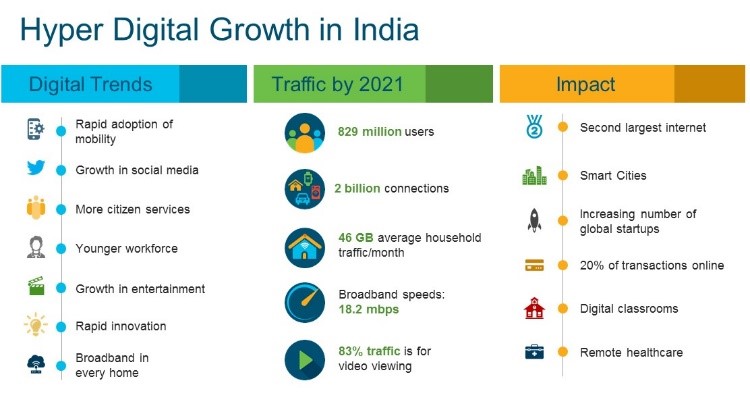
India is experiencing unprecedented digital growth. With more than 400 million current users, the country’s Internet adoption is the second largest in the world (China’s is first)… and it is growing. As its citizens embrace new technologies, a massive number of connections are coming online. These users are expecting more services and better experiences—as a result, consumption is pressing heavily on the limits of the country’s current broadband infrastructure.

Source: NVI

This chart depicts the digital revolution that is underway in India. Over the next four years, Internet usage is expected to double to more than 829 million users. While the numbers are impressive, the outcome that touches me most is the impact this will have on job creation, economic expansion, and most importantly, social and economic empowerment.

We are witnessing a similar digital revolution across the globe. In my point of view, there are three main factors that enable digitization: a high-quality/secure infrastructure, sustainable business models, and ease of doing business (enabled by a robust policy framework). While these three enabling factors are critical for accelerating digitization anywhere in the world, in India, it takes on some unique characteristics.

Yet, Challenges Abound

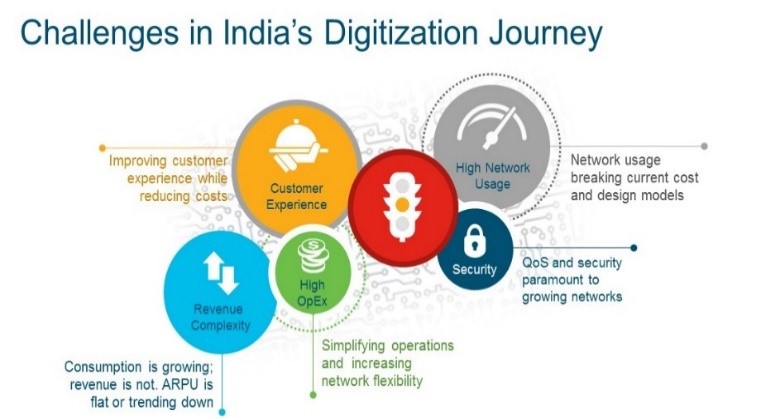
The scale, speed of transformation, and the cost structures needed pose a unique challenge in India. While improving customer experiences, simplifying operations, reducing costs, increasing network flexibility, and heightening network security are table stakes, a new paradigm of operations is required to succeed. Unconventional, nonlinear innovation— such as the innovation that we can deliver through mass scale networking and automation—is what India needs.

How Can Cisco Help?

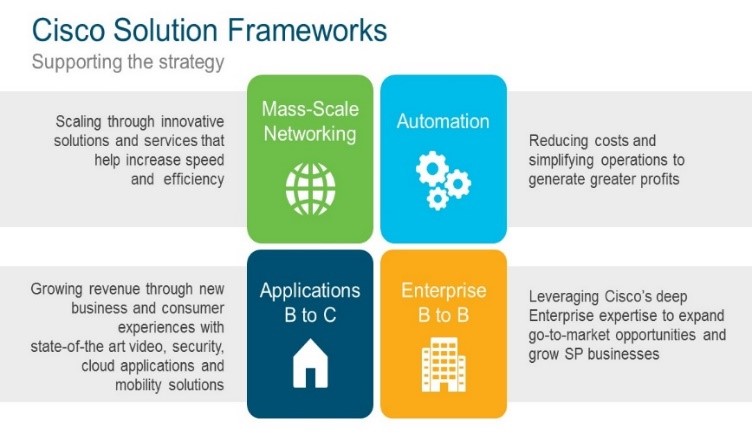
Cisco’s strategic solution frameworks is our blue print for economies like India to truly embrace digitization. Our solution framework encourages innovative products and services that enable mass-scale networking. Automation is critical, as running networks manually is not sustainable. In addition, we are enabling new business models – both business-to-business and business-to-consumer offerings – that derive new revenue streams such as video, security, internet, and enterprise services.

Cisco in India

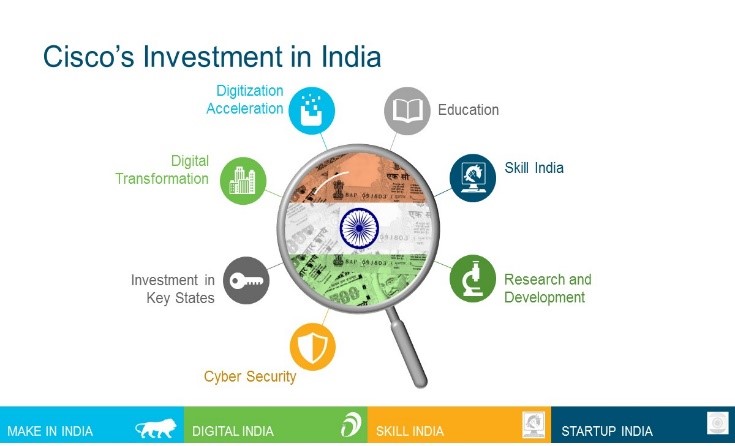
We are fortunate and honored to be at the center of this exciting journey with India. Already, we are engaging with central and state governments, as well as private enterprises (including our major service provider customers) to guide this transformation.India is not just a country that we do business in—we have shared values and we are on a shared journey. That is why we are very aligned to the government’s initiatives around Skill India, Startup India, Digital India, and Make in India.

India’s economy is gaining huge momentum from digitization and is creating a significant Socio-economic impact. Every second, three Indians experience the Internet for the very first time. This means a great deal to a farmer or a student

— In terms of equalizing opportunity and empowering them. Digital growth will help create jobs, promote innovation, positively influence the GDP, and enable citizen welfare.

Some examples include:

  • Rural India – 250,000 villages will be connected to the Internet by 2019.
  • Education – the Indian government is aiming to train 400 million people in different skills by 2022. Cisco has committed to train 250,000 by 2020.
  • Innovation – Cisco’s Innovation Labs and Centers of Excellence will touch 200 new startups. India now ranks third in global startups.
  • GDP – 20% of all transactions are online. By 2020, India’s internet industry will double to $250 billion and contribute 7.5% of the GDP and Cisco will be playing a key role in this transformation.
  • Healthcare – India is currently ranked 127th by the World Health Organization. By the end of 2018, citizens across India will benefit from E-Healthcare, which includes virtual consultations, online medical records, and online medicine supplies.

In addition, Cisco is playing a proactive role in shaping India’s digital landscape through the CDA (Country Digital Acceleration) program.

Our Journey Ahead

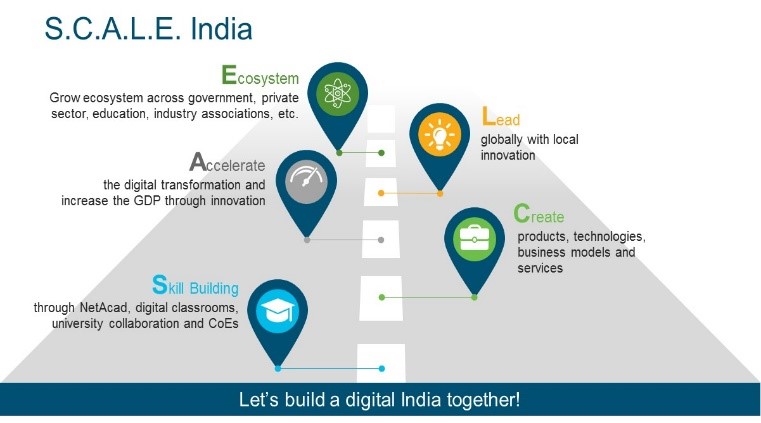
As we look ahead, I believe the acronym SCALE tells us what to focus on:

  • Skill building: we will continue to partner and grow our educational programs in India such as NetAcad, digital classrooms, and collaboration with universities.
  • Create: India is Cisco’s second largest R&D center
    (Silicon Valley being the largest). We will continue to invest in this valuable development resource both for India and for the rest of the world. Because of the unique, non-linear innovation opportunities, anything we build and operationalize in India can potentially succeed elsewhere in the world.
  • Accelerate: we will continue to collaborate with India to accelerate growth, transformation, and prosperity for Indian and global citizens.
  • Lead: we will continue to develop the business models, products, and services that we create in India, and we will lead with them globally.
  • Ecosystem: we will continue to grow our successful ecosystem, comprising the Indian government, private-sector companies, educational institutions, and industry associations.

These are exciting times for India, and Cisco is proud to be a part of this shared journey. We look forward to continuing to partner closely to develop innovative solutions that help transform India and the world.

If you are interested in learning more about Cisco’s investment in India, I encourage you to check out the video.

Best regards,
Sumeet


Authors

Sumeet Arora

SVP Engineering

Core Software Group - US

Avatar

Miercom—a nonpartisan testing lab—recently published an analysis on Cisco’s Digital Network Architecture & Huawei’s Agile Solution.  The report consisted of wired as well as wireless test cases.  We’ll take a deeper look at wireless performance tests in the report and in the coming days and weeks, we’ll look at other parts of the report too.

If you want an overview of the report, check out Prashanth’s Blog.

The three tests I want to focus on are:

  1. Multi-Client, Multi-AP RRM Test
  2. Voice and Video over Wi-Fi Test
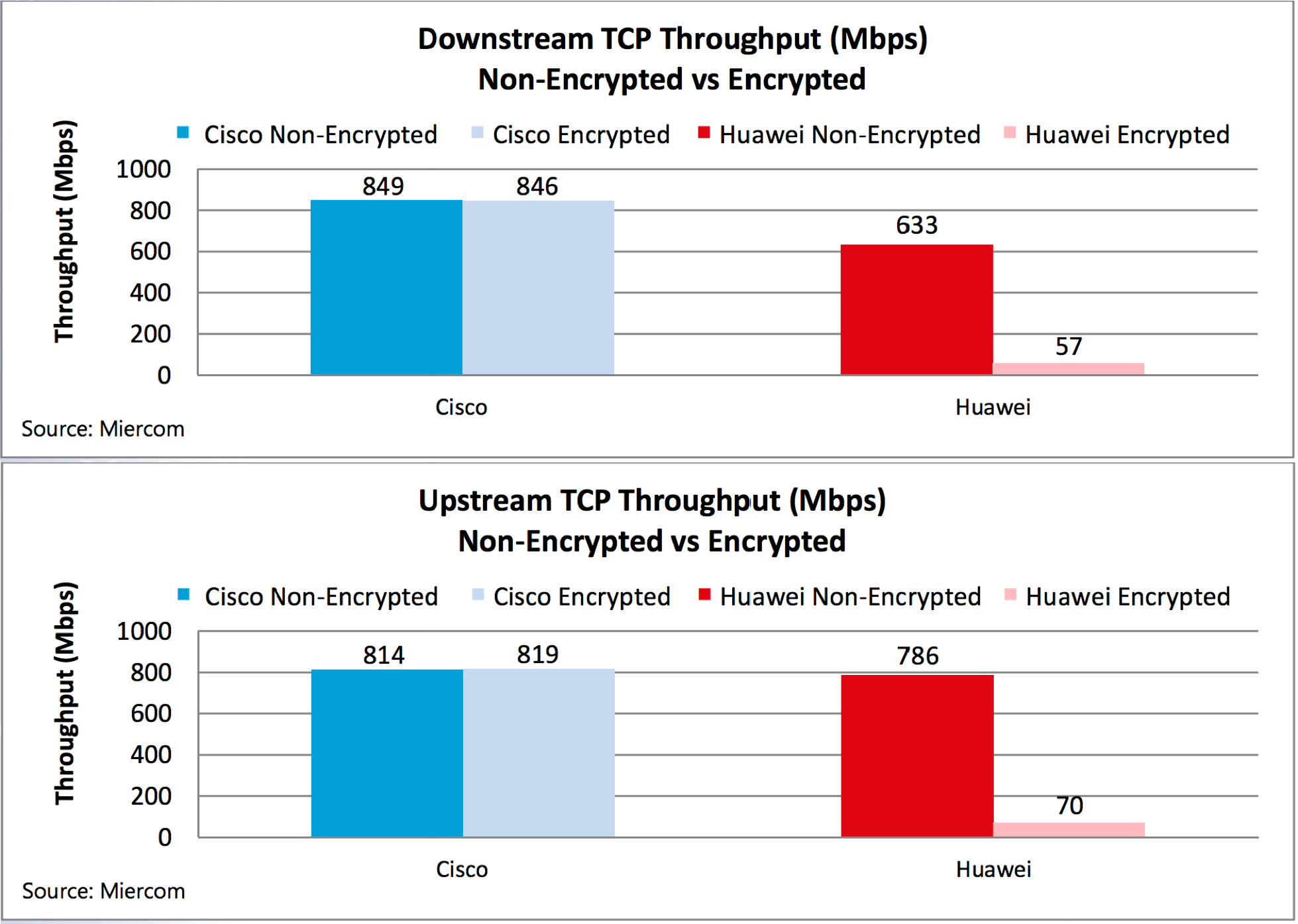
  3. Dataplane Encryption Test

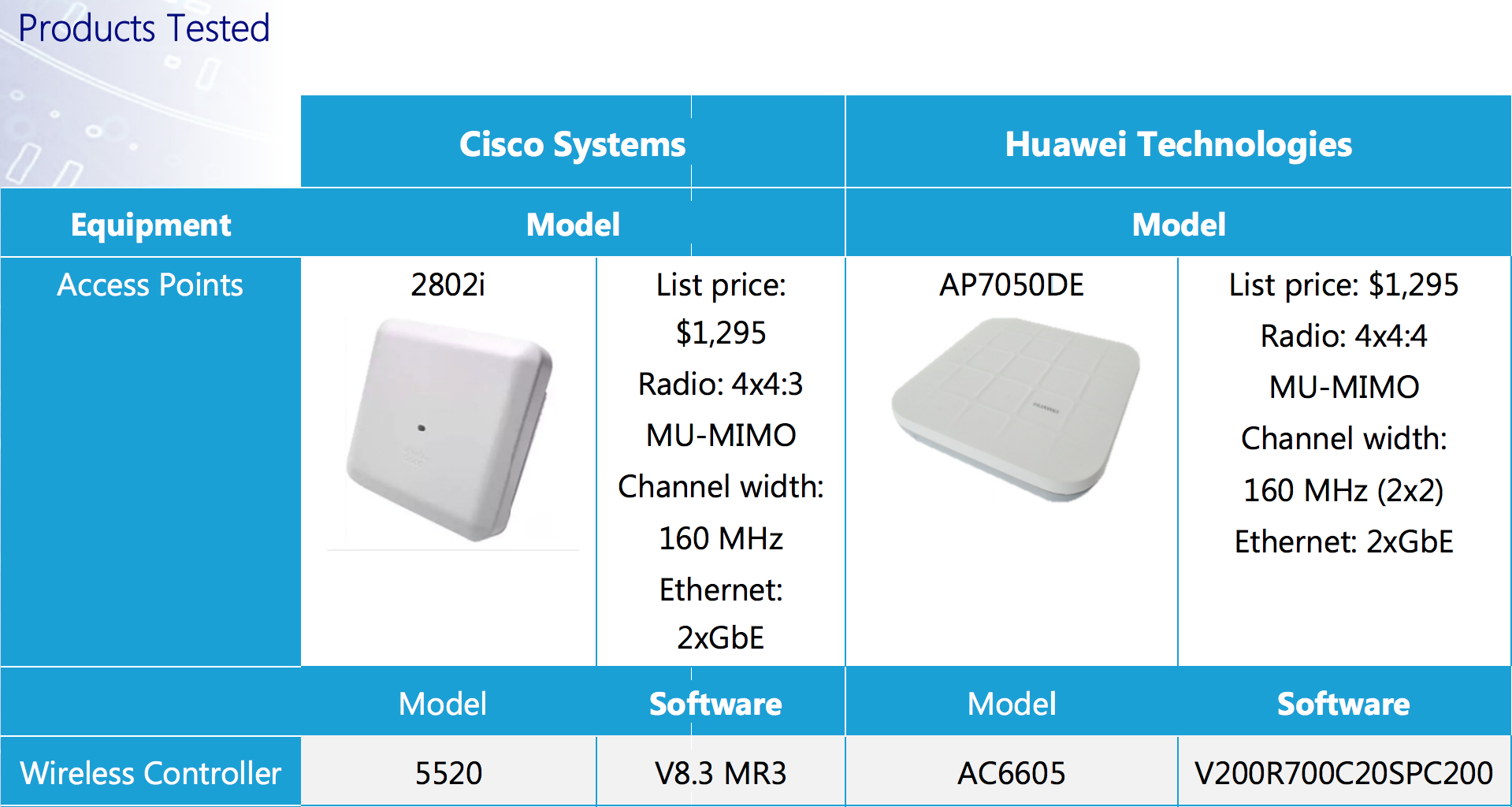
Before I get to the tests, we need to determine what wireless products were tested. For Cisco it was the high end Aironet 2802i with CT5520 wireless LAN controller.  For Huawei, their flagship 7050DE with their AC6605 WLC.  Both access points are 802.11ac Wave 2.

Let’s take a look at the tests.

Multi-Client, Multi-AP RRM Test

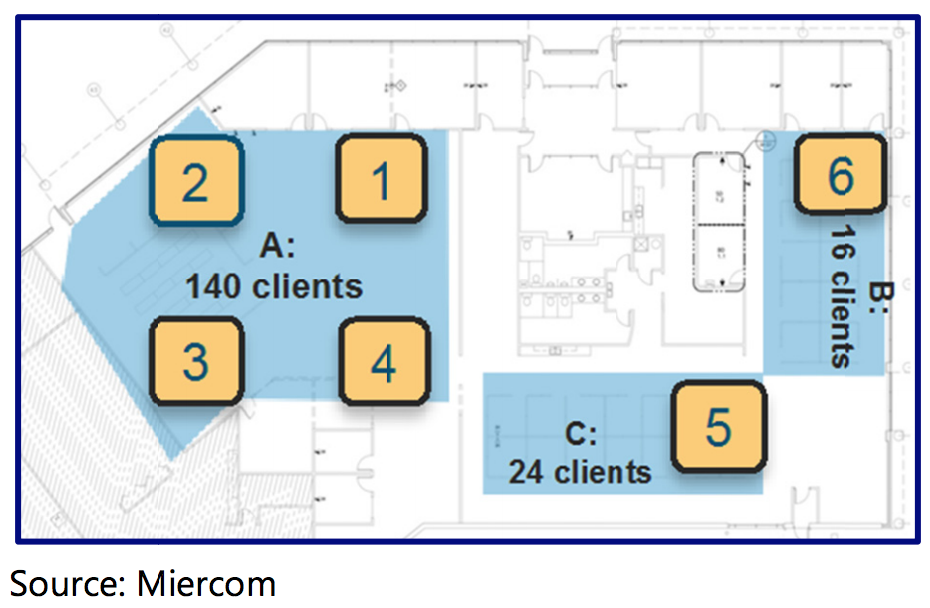
This test is multi-faceted.  The basic premise is, six access points were setup in an office building, with 180 clients connected to the network. Several criteria were evaluated:

  • Evaluate auto radio resource management capabilities of the system
  • How well do clients load-balance between the access points?
  • What is the overall performance of the system?

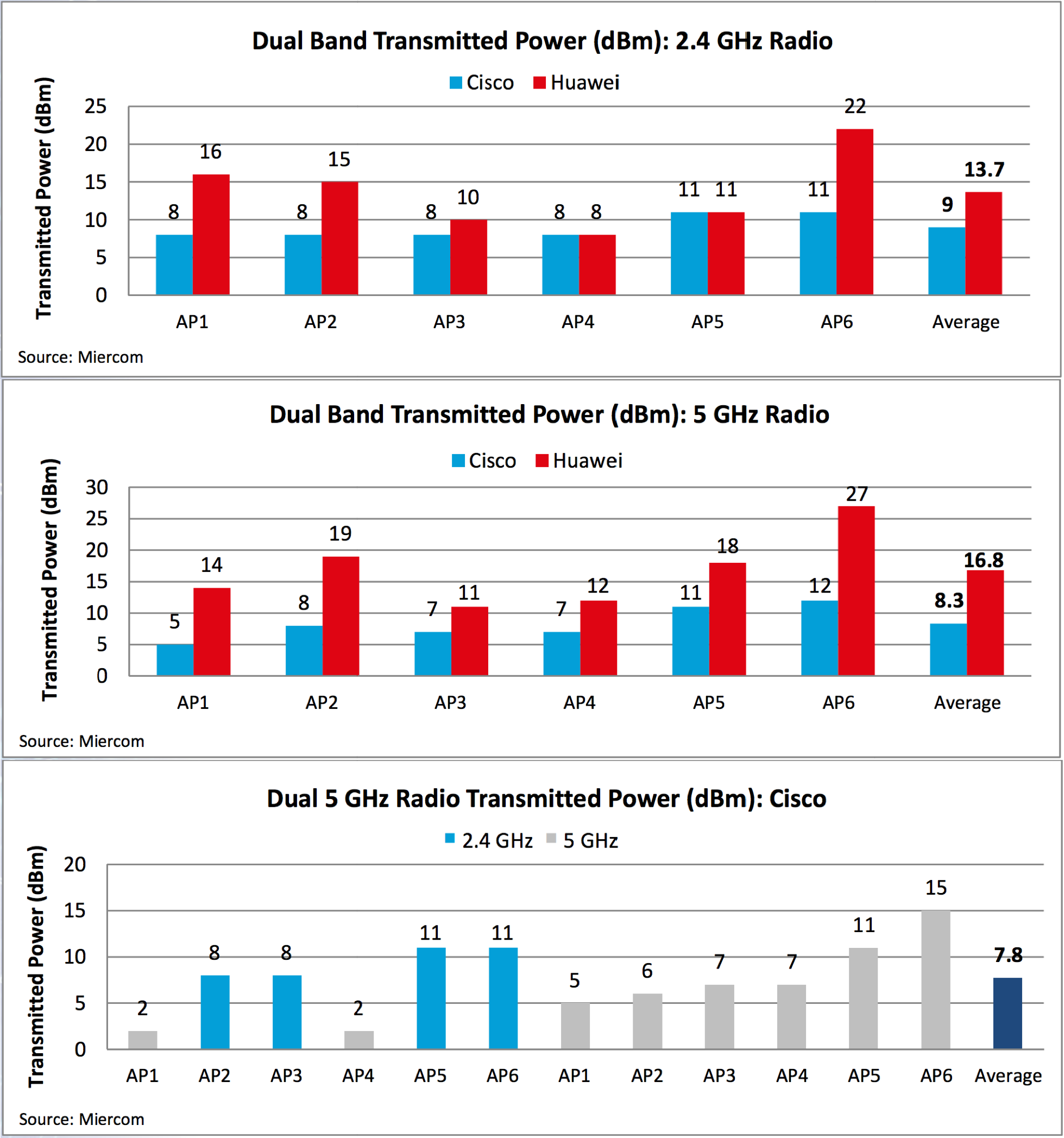
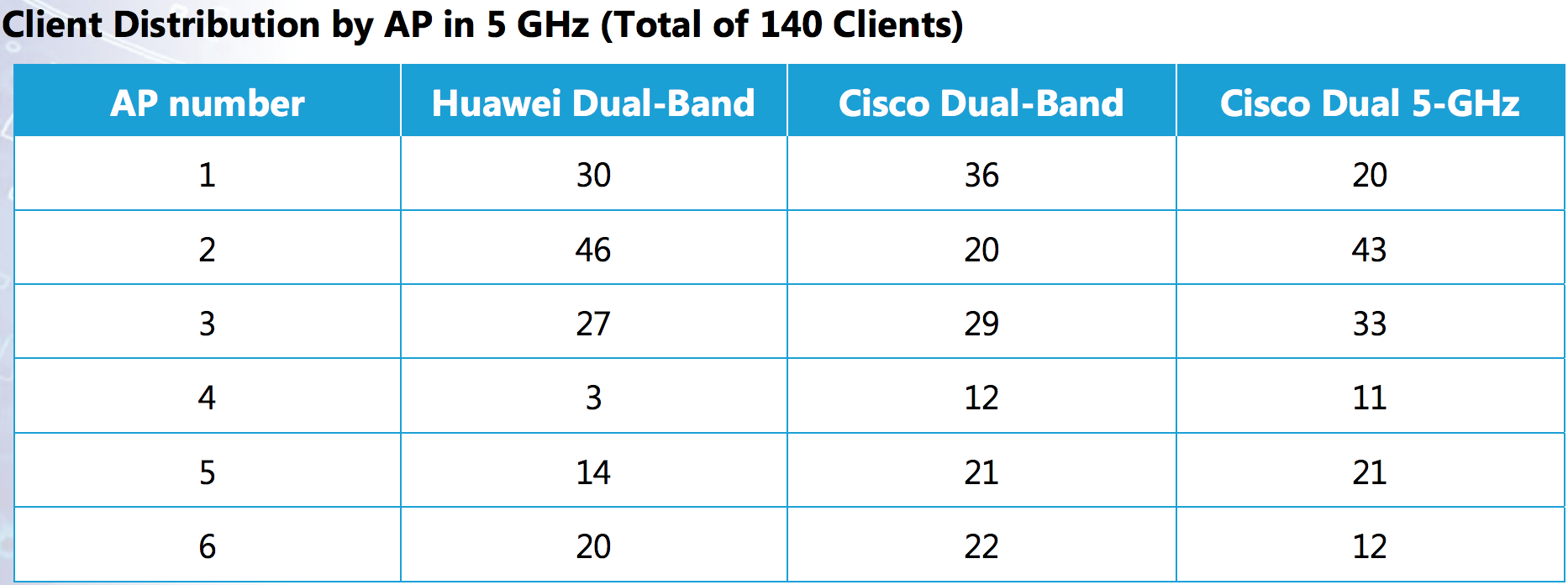
Both vendors chose appropriate channel plans.  Overall, Huawei had higher and more uneven transmit power, which had an impact how the clients connected amongst the access points.  The Aironet 2800 had a flexible radio allowing RRM to calculate when there is redundant 2.4 GHz coverage.  The system identified two access points out of the six with redundant coverage, and flopped those two redundant flexible radios into 5 GHz client serving mode.

Access Point Transmit Power:

Why is transmit power important? It’s simple. Transmit power affects how the clients hear the network, which in turn impacts the client balancing between the APs. This is true even when load-balancing techniques are used.  When the signal is too high, clients can be sticky and connect to a non optimal access point.

Client Distribution:

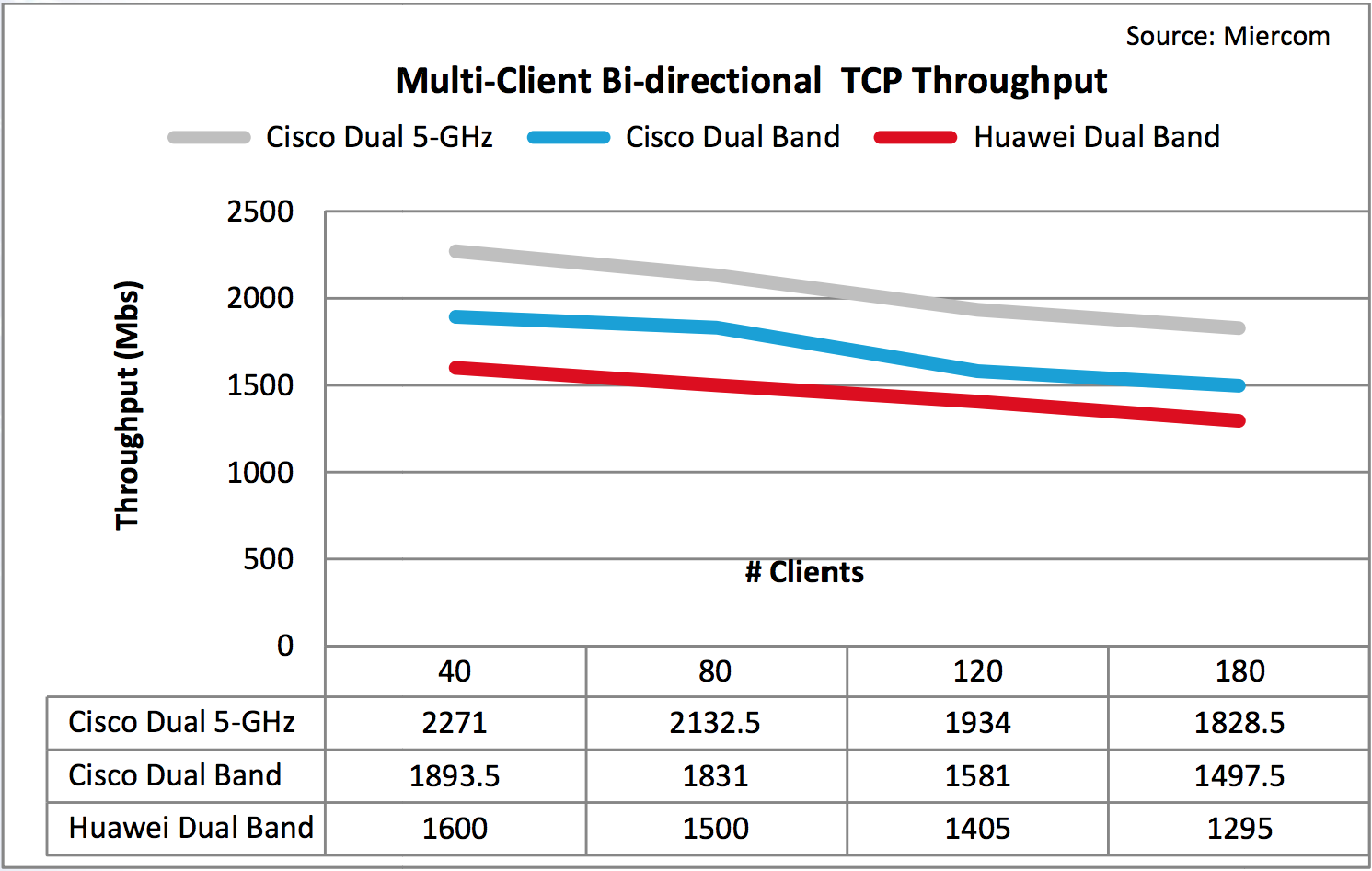
The last portion of the test was to check the system performance.  On average, Cisco performed 40% better than Huawei in Dual-5 GHz mode (two APs in Dual-5), and 18% better in Dual-Band mode.  The report shows, Huawei also had several clients which did not receive any throughput in the test.

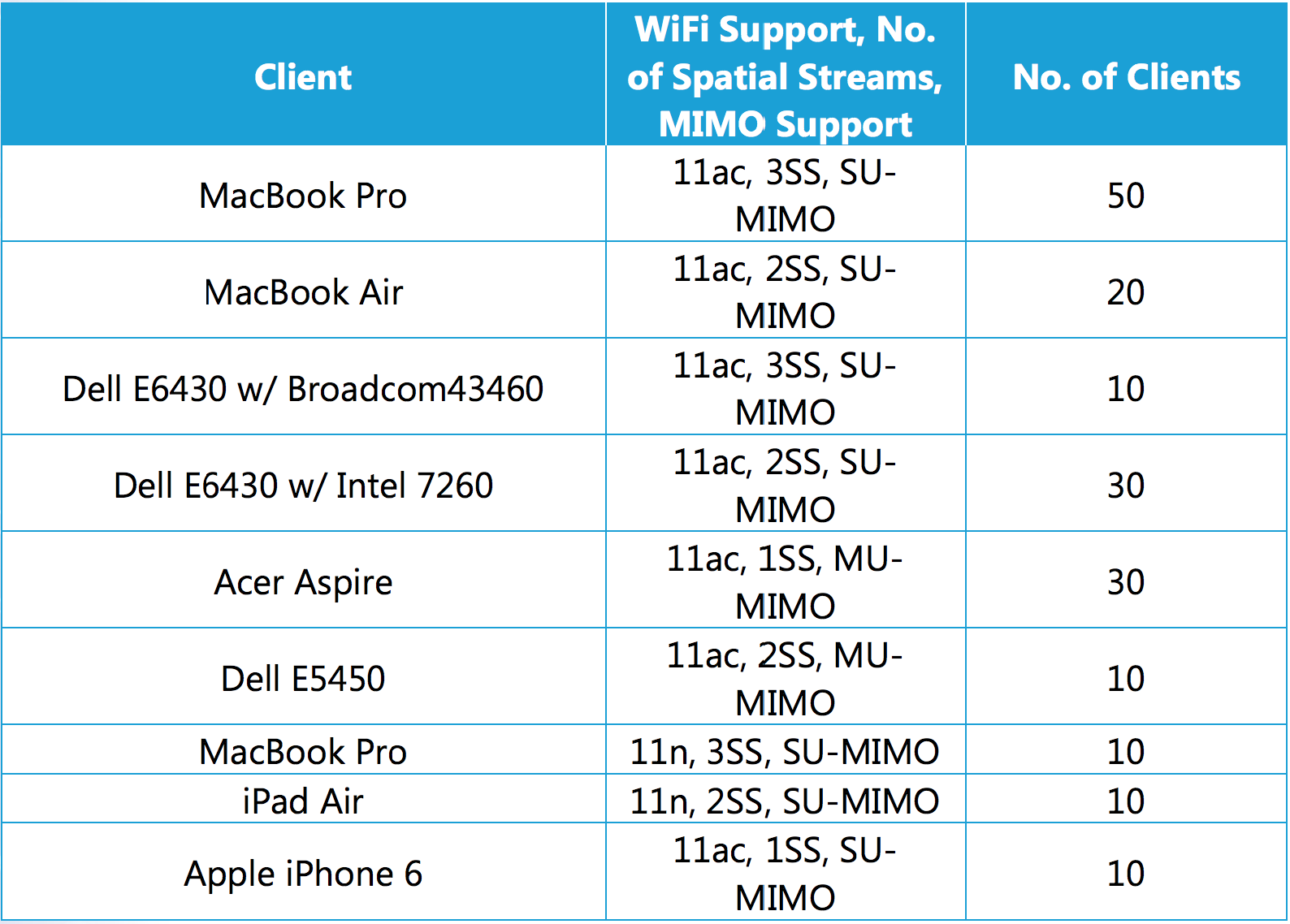
Here’s information about the test layout and clients used in the test: a mix of laptops and tablets were used, in addition to 11n, 11ac wave 1, and 11ac wave 2 clients.

Test layout:

Client types:

Voice and Video over Wi-Fi Test

For the next test, the purpose is to see how many Jabber video calls can be supported with background traffic.

The short answer?  Based on Miercom’s test results, Cisco supported 18 with 30 Mbps background traffic.  Huawei supported 11 concurrent calls with 18 Mbps of background traffic.

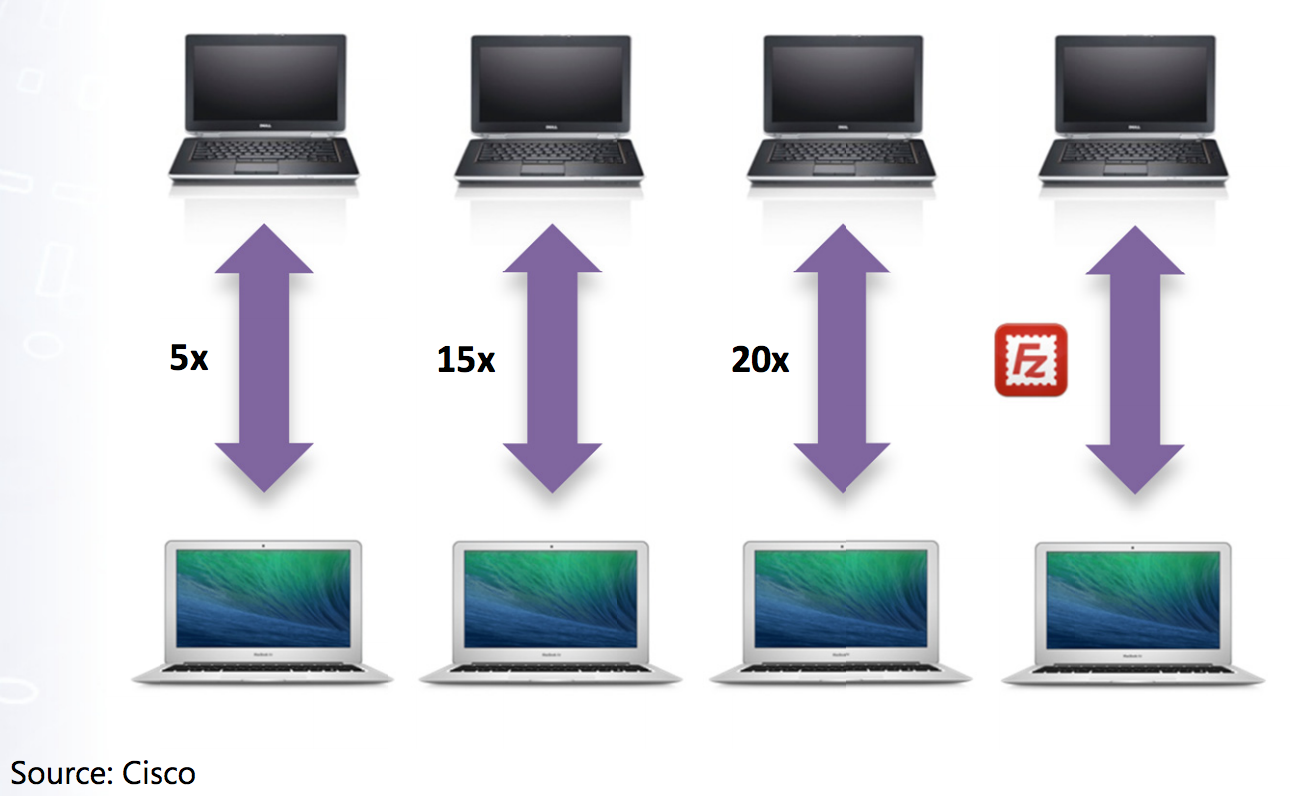
The more detailed version: clients were setup in a cubicle office environment spread out over about 2000 square feet and connected to the 5 GHz radio on an access point.  Tests were done in increments of five clients to find the breaking point, while simultaneously transferring a 10GB file via FTP.

Test overview:

Dataplane Encryption Test

The dataplane encryption test checked the encryption capabilities of data traffic between the access point and the WLC.  Cisco supports encryption in hardware on the access point, so the performance impact of enabling encryption was negligible.  On the other hand, as Miercom points out, Huawei only supports encryption in software, so performance dropped by over 90% with encryption enabled.

Check back to the blog over the coming weeks.  We’ll have other installments which go through the rest of the report in detail.

Download full report here.


Authors

Wes Purvis

Technical Marketing Engineer

Cisco’s Enterprise Networking Group