

Simplifying Decryption With Cisco’s Secure Firewall 7.7
Simplify decryption with Cisco Secure Firewall 7.7! Intelligent bypass, enhanced wizard & more for optimized security & performance.


Simplify decryption with Cisco Secure Firewall 7.7! Intelligent bypass, enhanced wizard & more for optimized security & performance.


As encryption becomes increasingly pervasive, network security administrators can struggle to maintain an acceptable level of security efficacy.


Encrypted traffic is changing the threat landscape...Encryption technology enables greater privacy and security to communicate and transact business online. Mobile, cloud, and web applications rely on well-implemented encryption mechanisms, using keys


The damage a hacker can do after discovering a server’s private encryption key is about to shrink considerably. That’s thanks to important improvements in the coming Internet Engineering Task Force...
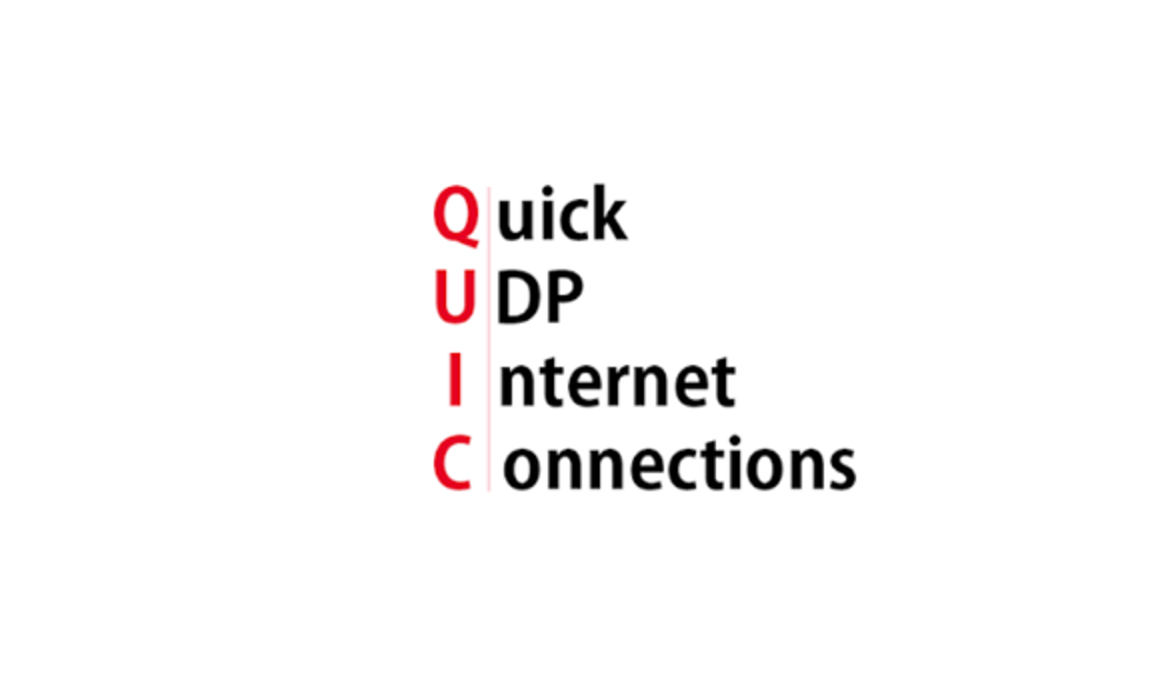

QUIC stands for Quick UDP Internet Connections, an experimental protocol designed and deployed by Google.

This post is the second part of my series around the impact of encrypted protocols on network security. You can find the first article about HTTP/2 here: http://blogs.cisco.com/security/the-impact-on-network-security-through-encrypted-protocols-http2
This is the start of a planned series of posts around the impact that new protocols are making on the way many of us deal with network security today. The protocols we have been using on the internet, mainly TCP with HTTP 1.1, have shown that they


Quantum computers could break commonly used public key algorithms, which would affect cryptography used today. For that reason, there has been great attention on quantum safe crypto recently. We have blogged about it in numerous occasions [1], [2]

When dealing with TLS connections, it is important to understand how a client (in most cases this is a web browser) will be acting. Let’s quickly check some of the steps that are happening when a TLS connection is made. A web server will send its


