I’m writing this blog (unlike other podcast corresponding blogs) on the heels of recording the sustainability episode. Which, given the abnormality of the timing, is due to a number of reasons, the main one being that it’s a subject that (you’ll soon
EnergyOps, which focuses on reducing our energy use and GHG emissions, is an issue of high importance to our customers, employees, and company leadership.
For employees who are interested in connecting with their peers on environmental sustainability, Cisco makes it easy to pick up new tips, hobbies, and skills through our internal employee engagement platform called Cisco GreenHouse.
In 2020, we have encountered a perfect storm of rare societal and environmental factors, which, if leveraged wisely, can propel us into a carbon-neutral or even carbon-negative future. And now is the time for us as consumers to choose our future.
Food is fundamental to the human experience and food production has a huge impact on the world’s resources – in fact, 70 percent of the world’s water is used in agriculture. So how do we scale production without wrecking the planet?
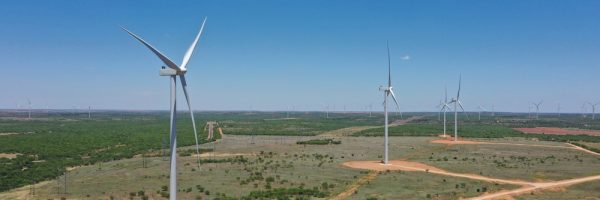
Cisco has signed its first long-term wind energy power purchase agreement (PPA). Procuring renewable energy is a key component of our strategy to achieve our FY22 greenhouse gas (GHG) reduction and renewable energy goals.
Improving product energy efficiency is more than just a regulatory requirement for Cisco. It’s an opportunity for us to help customers save on energy costs, lower GHG emissions, and reduce global energy demand.
When it comes to Cisco’s environmental initiatives, employee engagement is key. We educate employees on environmental issues through existing engagement channels and get employees on board with implementation.