

The One-Two Punch of User and Device Trust
The combination of user trust plus device trust is the one-two punch to minimize risk and ensure your applications are only accessible by devices you allow.


The combination of user trust plus device trust is the one-two punch to minimize risk and ensure your applications are only accessible by devices you allow.


In 2019, a better security posture begins with continuous threat detection and continuously verifying trust. At Cisco, we call our trust-centric approach to security Cisco Trusted Access.


Every year at RSA Conference, a pitched battle ensues for the heart and soul of the security practitioner. Or at least for the mind: there’s the word cloud of topics that show up most often in the CFP submissions, but there are more slogans, phrases
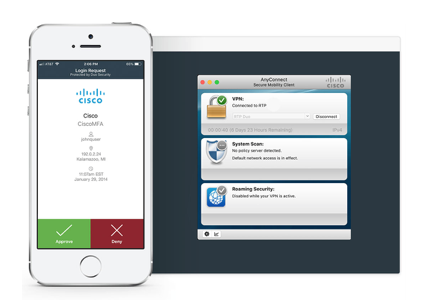

Adding Duo’s multi-factor authentication (MFA) to VPN solutions, like Cisco AnyConnect, enables secure access to all applications. This is the first in a three-part series.


The union of Cisco and Duo Security in 2018 means that IT and security teams have a comprehensive solution to address the challenges heading into 2019.
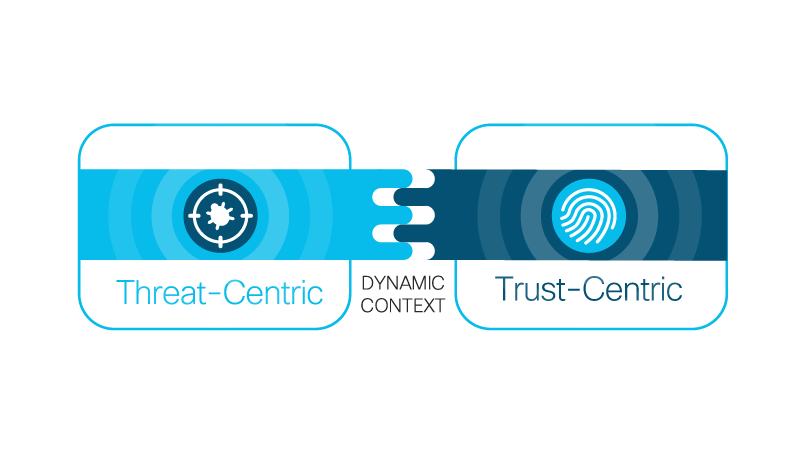

Whether you tell your boardroom that you’re going to adopt zero trust or lean trust, you need to decide how and where to start your multi-year journey. This blog explores 2 common approaches to zero trust, Forrester's Zero Trust eXtented (ZTX) and
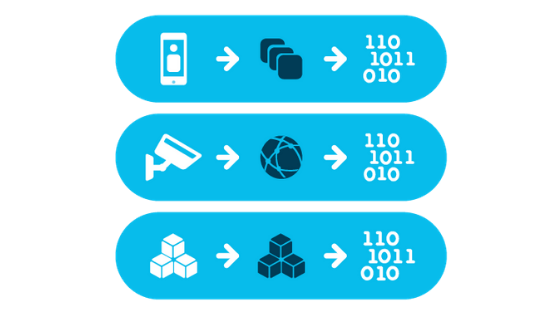

The original Zero Trust model was conceived by Forrester, and leveraged by Google as part of their BeyondCorp initiative. Gartner has their framework called CARTA. These trust-centric approaches shift access decisions based on network topology to


