

Is this legal? For AI and IoT, W&M Law School aims to find out
As technology changes how we live, great minds are considering ways to secure us against new cyber threats. But who is protecting us from the legal vulnerabilities we may face?


As technology changes how we live, great minds are considering ways to secure us against new cyber threats. But who is protecting us from the legal vulnerabilities we may face?


Here’s something to celebrate: Washington policymakers are looking to increase Wi-Fi’s capacity and move toward a hyper-connected era by expanding Wi-Fi into 6 GHz.


Meet with Cisco at the India Mobile Congress 2018 to discover opportunities in 5G, Internet of Things (IoT), Artificial Intelligence (AI) and Smart Cities.

Attend NetApp Insights October 22-24, and visit Cisco in Booth 800 to learn more about FlexPod Workloads for SAP, Oracle, SQL and VDI, how to power your AI workloads at scale, the latest in converged storage innovations from Cisco and NetApp - and


If machine learning boils down to data management and using the machine learning packages, what challenges are enterprise facing today that make use of that data?
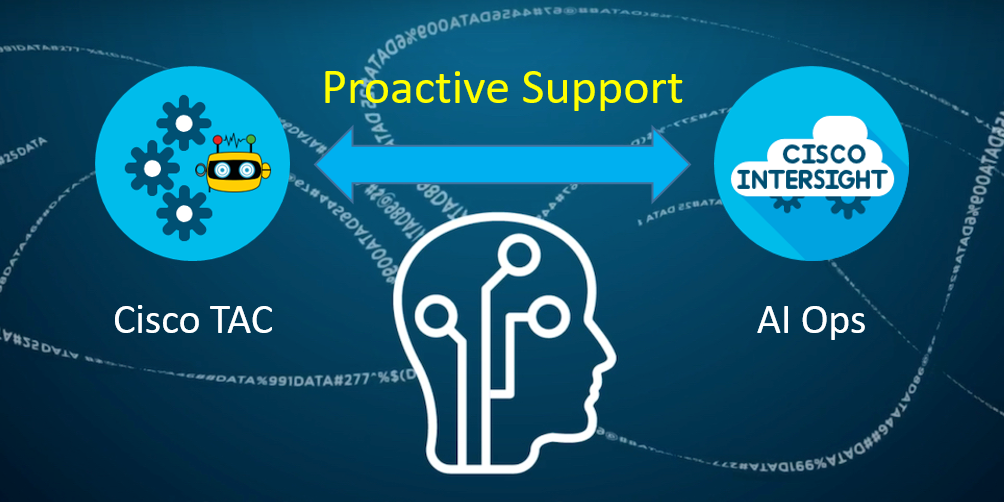

The Cisco Customer Experience organization works closely with the Intersight engineering team to ensure customers have seamless access to Cisco’s unparalleled device knowledge. This allows Cisco Intersight to deliver a...

Cisco ingests massive amounts of data from each customer and uses machine learning to provide better analytics, which can lead to automation.


DNA Center Assurance can be the tool your IT team needs to transform from cost center to center of innovation, becoming a major contributor to your company’s success.

Movies have often depicted artificial intelligence as a mysterious, far-in-the-future concept. But, if you have a smart phone in your pocket, you carry around this technology in your pocket. Machine learning has evolved away from fiction and


