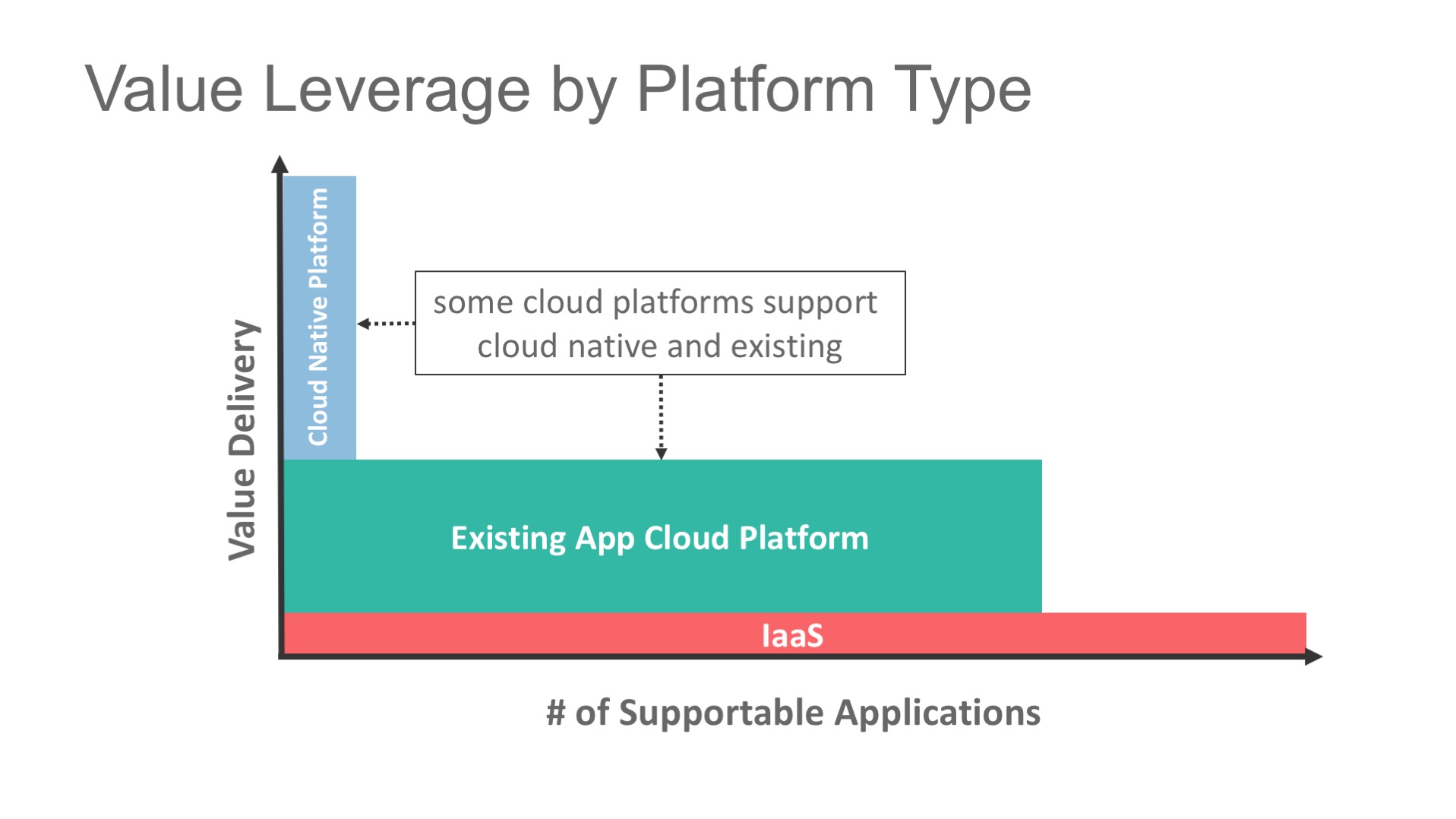
If you are heading up an application develop team or are running an IT organization and you are looking at your developers initial steps to developing cloud native applications, I...
I’m so glad I’m not a programmer. I mean, the money would be great, the constant job offers would be nice, and I suppose the freedom to show up to work wearing anything you want would be a bonus, but the actual programming? Ick. It seems awfully
For years I’ve seen manufacturing executives search for innovative ways to lower costs and drive more profits. In my travels, I’ve finally found a process and methodology that works every time.
If you read the avalanche of marketing material from venture-funded loss-making startups in the cloud space you’d think that on-premise infrastructure will become akin to old typewriters lying around in store rooms and that IT departments will go the
Much is being written about companies that have become digital businesses, including Gartner Group analysts, McKinsey consultants, and book writers. In Leading Digital: Turning Technology into Business Transformation, early in the book, the authors
Application architects and developers are the life blood of your business. They are responsible for analyzing, designing and developing commercially viable solutions to drive revenue for your business. These teams keep up-to-date on the latest
In today’s world as more and more customers prepare to take advantage of cloud technologies, they are finding that private cloud and colocation services are essential options in their journey to the cloud. We are lucky to have Dan Harrington, as a
These are three conversations that I had recently with a partner, a customer, and a Cisco executive (not necessarily in this order): “Cloud refers to only private and hybrid cloud, right?” “I thought infrastructure-as-a-service is public cloud, not
Forrester research indicates that private cloud has entered into the formal IT portfolio by becoming a core part of data center strategy. I have been writing about the sea change underway in private cloud. This sea change means that automating the