we designed the Cisco UCS X-Series with the flexibility to support a wider range of applications. Previously, you might have used blade servers and rack servers depending upon the need for local storage or expansion cards. Now, a single system blurs
Modern enterprise computing workloads are adapting to a hyper-distributed and hyper-connected world where apps, devices, and data can be accessed anywhere and anytime. In turn, advancements in application architectures made it possible to deliver
When evaluating servers for your next project, at the edge, in the data center, or someplace in between, you should also evaluate how they are managed and what else that management platform has to offer.
Cisco UCS X Fabric Technology is the second fabric in X-Series, named for its versatility and flexibility. While Unified Fabric is Ethernet-based, UCS X-Fabric blurs the lines between rack and blade servers. It allows you to compose system policies in
One of UCS’ biggest benefits has always been Unified Fabric. That is carrying data, storage, and management traffic over a single wire. The IFM combined with Cisco VICs deliver Unified Fabric. Reducing the number of cables per server (CapEx and OpEx
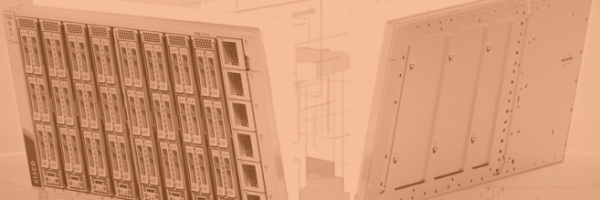
Cisco UCS X-Series was designed to be modular, expandable, and blur the lines between blade and rack servers. It all starts with the Cisco UCS X210c Compute Node.
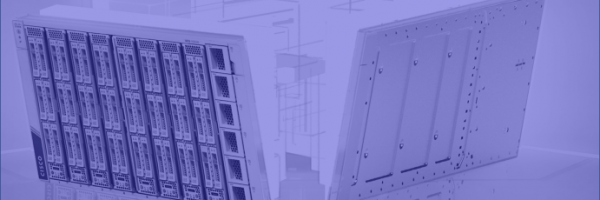
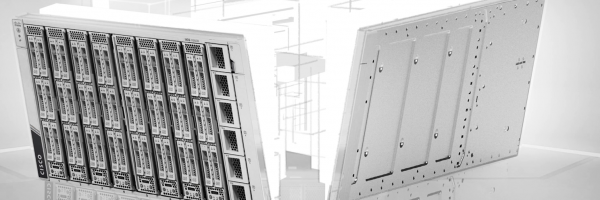
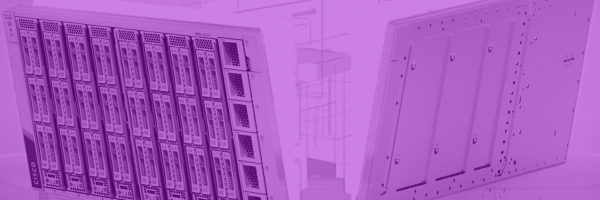
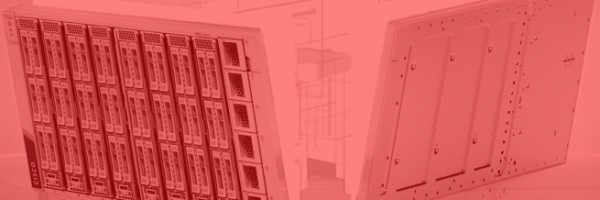
The Cisco UCS X-Series begins with the Cisco UCS X9508 Chassis. Our engineering teams rethought everything: modularity, size, power, cooling, and fabrics. The result is a great infrastructure choice to base your hybrid cloud computing platform for the
Cisco announced the UCS X-Series in June. But I know how hard it is to keep up with industry news, so I thought a blog series was a good way to familiarize / refamiliarize you with our next gen modular system.
Work/life balance has changed for many workers and their families, as have their workspace habits and preferences. IT organizations and workers have grown accustomed to being productive under mostly remote work circumstances. As companies begin their