

Bulging tires, sagging suspension, and tilted chassis are clues that a truck should be selected for weighing at roadside weigh stations. But with growing truck traffic, authorities don’t have the resources to weigh every truck. Giving overloaded trucks a pass on weighing jeopardizes road safety and infrastructure life. “Overweight vehicles have a longer braking distance and a longer stopping distance, so they put all other road users at risk,” said Andreas Keller, head of traffic monitoring with Thurgau Traffic and Lake Police, Switzerland. Extra weight also accelerates damage to pavement and bridges. Compared to a 1-ton axle load, for example, a 2-ton axle load causes 16 times more pavement wear and tear and a 3-ton axle load, 81 times more.
The Thurgau Traffic and Lake Police of Switzerland explains how it efficiently identifies overloaded trucks using an automated weighing system based on Kistler Group’s KiTraffic Digital Weigh in Motion (WIM) solution.
Remedy: accurately weigh vehicles as they move at speed
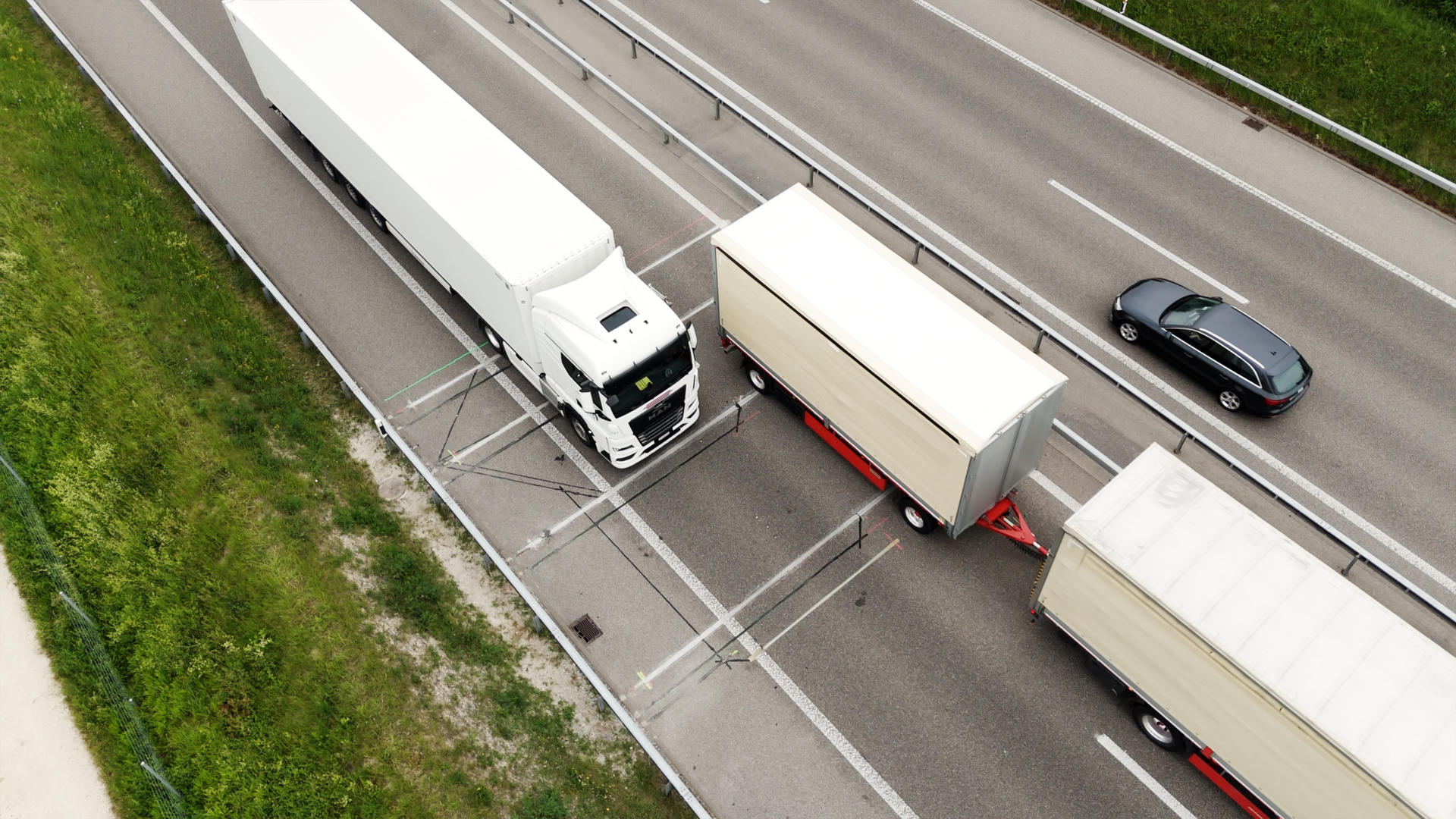
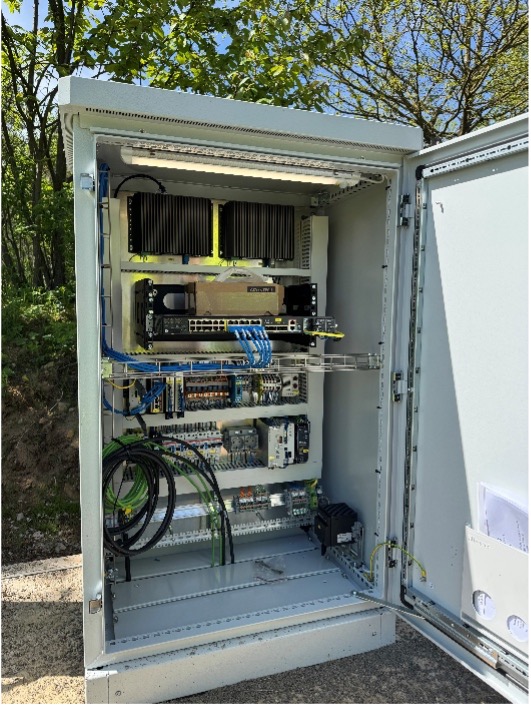
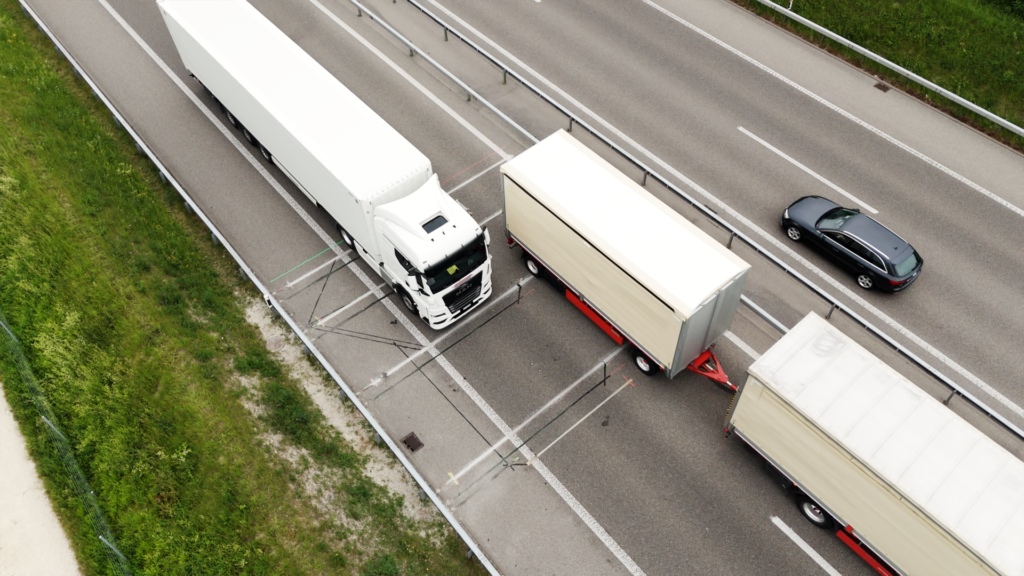 Thurgau Police is one of a growing number of traffic authorities using KiTraffic Digital, which is powered by Cisco industrial ethernet switches. Picture a truck moving down Switzerland’s A7 motorway. Kistler’s highly accurate quartz sensors, installed flush with the pavement, capture its gross weight within 2.5% tolerance as the truck travels at speeds up to 100 km/h (62 mph). These sensors are connected by and receive Power over Ethernet (PoE) from a Cisco Catalyst IE9300 Rugged Series switch housed in a nearby roadside cabinet. The switch swiftly transfers the measurements to a PC in the same cabinet for weight calculations.
Overweight truck? An officer at the next truck stop receives an alert on a tablet showing the weight, vehicle image, and number plate captured by a camera deployed with the sensors. The truck is directed to the static weigh station, where it’s weighed again and appropriate action taken (in some countries, traffic authorities skip the static weighing and automatically enforce penalties). Compliant trucks continue without weighing a second time, avoiding congestion and helping Thurgau Police keep up with growing truck traffic. “The hit rate for commercial vehicle overload inspections is higher thanks to the system, because we can specifically check the vehicles that are overloaded,” Keller said.
“By transmitting weight data with the speed and accuracy needed for enforcement, Cisco industrial switches are helping us pave the way toward safer, more efficient, and sustainable transportation.” – Ingrid Sagorz, Product Manager for Traffic Solutions, Kistler Group
Five advantages of Cisco industrial switches for WIM
Cisco industrial switches play an important behind-the-scenes role in the KiTraffic Digital platform:
- Synchronize sensors. Fines are enforceable because trucking operators can’t argue that weights reported by KiTraffic Digital are associated with another vehicle or inaccurate. That’s because the Cisco switches synchronize the internal clocks of all connected Lineas Digital sensors with Precision Time Protocol (PTP).
- Move data at Gigabit Ethernet speeds. Officers need to know an overweight truck is approaching in time to signal the driver to pull over for weighing. With Gigabit Ethernet uplinks, Cisco switches can forward data from Kistler’s sensors to the PC that calculates vehicle weight in near real-time. After a tire activates a sensor, enforcement officers generally receive the report in 2-3 seconds.
- Fit neatly into cramped roadside cabinets. One Cisco IE9300 switch with its 24 downlink ports connects and powers up to 21 Kistler pavement sensors (enough for five lanes), a camera, an industrial PC that calculates weights from the sensor data, and a router.
- Withstand harsh outdoor conditions. Cisco switches are designed for extreme roadside temperatures, from freezing to hot and humid, ensuring that network connectivity and data transfers are never compromised by the environment.
- Last as long as the pavement. Replacing equipment deployed on remote highway stretches every few years is impractical. “The long lifespan of Cisco industrial switches makes them a good match for our sensors, which often outlast the pavement where they’re installed,” said Ingrid Sagorz, Product Manager for Traffic Solutions at Kistler Group.
A partnership for success
To make the project successful, Cisco Gold Partner Netcloud has been actively supporting Kistler since 2020 as part of the evaluation and planning of IoT network components for the Weigh in Motion initiative.
Safer roadways, less stress on pavement
With WIM, Thurgau Police are making roads safer by taking unwieldy, pavement-damaging vehicles off the roadway. Enforcement officers are more efficient because they know which trucks to weigh. Compliant truckers save time. Travelers enjoy safer journeys, thanks to fewer potholes and overloaded trucks. In short, WIM is a WIN for everyone—except trucking operators that don’t comply with weight regulations.
Learn more about Kistler Group’s WIM solution and rugged Cisco industrial ethernet switches in the case study.