


 I love watching Shark Tank clips during lunch breaks. Seeing everyday people pitch their ideas to the sharks intrigues me.
When I immigrated to the U.S., the show had just started airing. I remember Googling “utility patent” for the first time because the sharks kept asking entrepreneurs if they had filed one.
I kept watching because I draw inspiration from other people’s stories of resilience and seeing their visions become reality. For many of us, a television show is the only window into a world we didn’t grow up in. When you don’t already have someone in your network to show you the path, you find the path and the inspiration where you can.
Have you ever wondered what it actually takes to become an inventor? You’re not alone. I asked myself that same question, but before I even started heading down the path to making it happen, doubt crept in:
- “Someone’s already thought of that.”
- “Is my idea even good enough?”
- “Isn’t this just a feature, not an invention?”
- “How will I actually implement that?”
- “Where do I even begin?”
Doubt is the most common part of the innovation journey and, unfortunately, nobody talks about it enough. Sometimes, all you need is a gentle push and the right exposure. Exposure has a way of quietly doing its work, even when you’re not ready to act on it yet.
My journey from curiosity to action started a few years ago at the AnitaB.org Grace Hopper Conference, where I attended a tech careers workshop. I saw the Intellectual Property table and sat there. An IP attorney was leading the conversation, inspiring me enough that I pursued a pre-law track in university, not to become an IP attorney, but something had been planted.
I have always been a builder of vision, threading ideas and people together, and letting passion and curiosity lead the way. I just didn’t always recognize that as the makings of an inventor.
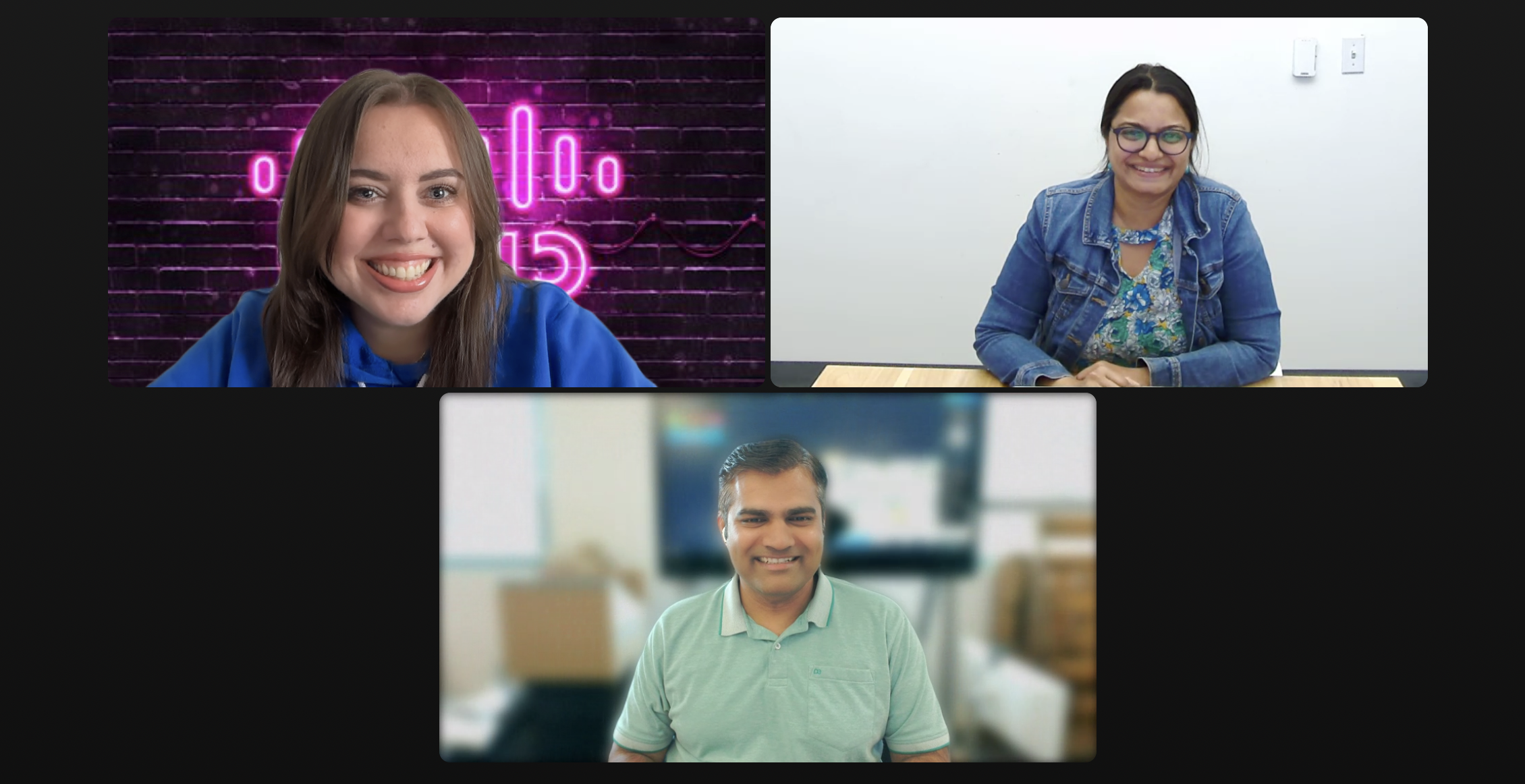 When I joined Cisco, I noticed the company’s Inclusive Community Women’s Inventor Network (an ERG known internally as WIN++) promoting its patent mentorship program, a deliberate effort to open the door for more people to submit ideas and include a wider range of voices to shape innovation. I read every email and announcement, building up the confidence to apply for the program without even knowing anyone with my role or title at Cisco who had done the same. I had nothing to lose.
What made this experience exciting wasn’t just the fact that a patent could come out of it — It was collaborating with people I had never worked with before, across completely different parts of the business. That inspiration drove me to apply and participate in the program in both 2022 and 2023.
My creativity started flowing. I met like-minded people. We presented to fellows and distinguished engineers at Cisco. I found a mentor who taught me to approach problem-solving differently.
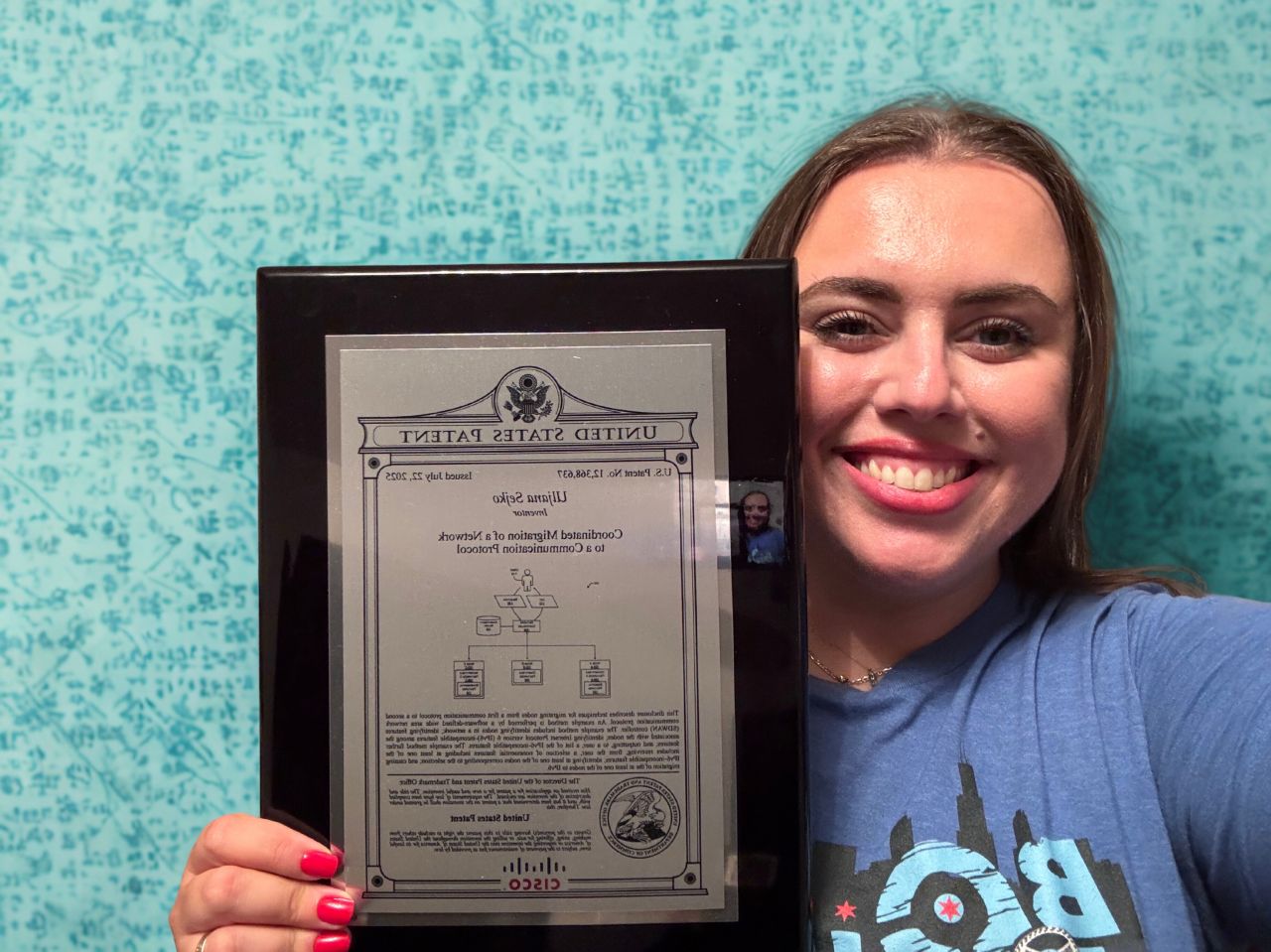
In July 2025, I got the email — our patent had been issued. It felt full circle. Behind that moment was a lot of work, a lot of meetings, and people from different corners of the business who came together around a novel idea to solve a problem — how to safely and universally modernize legacy networks. That kind of collaboration doesn’t always get recognized. This time it did, and all of our names are on it.
As a solutions engineer, my job is to find resources and translate problems into solutions. The patent program was no different. Colleagues started coming to me asking about the process. They hadn’t joined it themselves, not because they weren’t innovative enough, but because they assumed it wasn’t for them and never tried. Many didn’t even know it existed.
 What I learned from Cisco’s WIN++ Patent Mentorship Program is that good ideas don’t have a job title. Experienced mentors are there to guide you through the process. You don’t walk in needing to have it all figured out. I would love to see more solutions engineers participate because our customer interactions give us a highly unique perspective.
Patents protect Cisco’s competitive advantage and contribute to a long-term innovation strategy. Every patent filed strengthens the portfolio and signals that innovation can come from anyone and anywhere in the business. Some patents block competition. Some open doors. And some inspire. The value isn’t only measured in revenue. A patent journey story creates a ripple effect, encouraging others to innovate and multiply the impact across the organization.
If you are sitting on an idea, this is your sign to act. Early exposure matters. Supportive programs matter. Sharing information matters because someone in your orbit is probably talking themselves out something brilliant right now.
If you’re at Cisco, don’t overlook the WIN++ emails and internal mentorship opportunities. If you’re somewhere else, check what your employer offers. If you’re going solo, USPTO programs, innovation hubs, fellowships, and grants exist at every level. The bottleneck is usually awareness, not eligibility.
I found the resource. I used it. Now I’m sharing it.
Bring your curiosity to an inclusive team where good ideas don’t require a specific job title. Explore Cisco careers now.





Uljana what a great story! This is really inspirational. Congrats!!