How do you secure your most valued assets—applications? Apps are the number 1 moving target for sophisticated attacks. Read more to see how micro-segmentation with Cisco Tetration can take help you automate security for your applications.
IT is facing new challenges from an application revolution, where the ability to deliver high-quality digital experiences is the driving force behind how IT shapes it’s cloud strategy.
APM solutions like AppDynamics continue to lead the way when it comes to providing real-time business insights to power mission critical business decisions.
To develop an effective technology architecture for fog computing, you need a clear understanding of how it’s used. Guest blogger Chuck Byers, shares his cohesive, industry-wide approach to fog technology.
Craig Tranter is a former educator, and now serves as a technology presenter for Cisco. This blog is the fifth in his series on advancements and opportunities in education. All views are his own. There are many different ways that we like to
Modern companies need to move quick. And to do so, they need things to be streamlined. From hosting 40,000 people at a big game, to churning out thousands of newspapers hot-off-the-press, to delivering millions of pizzas right on time. To keep up
In today’s mobile-first world, it’s crucial for any financial services company to adapt to the growing app-first mindset . This presents a significant opportunity for worldwide success, if the right strategies are in play.
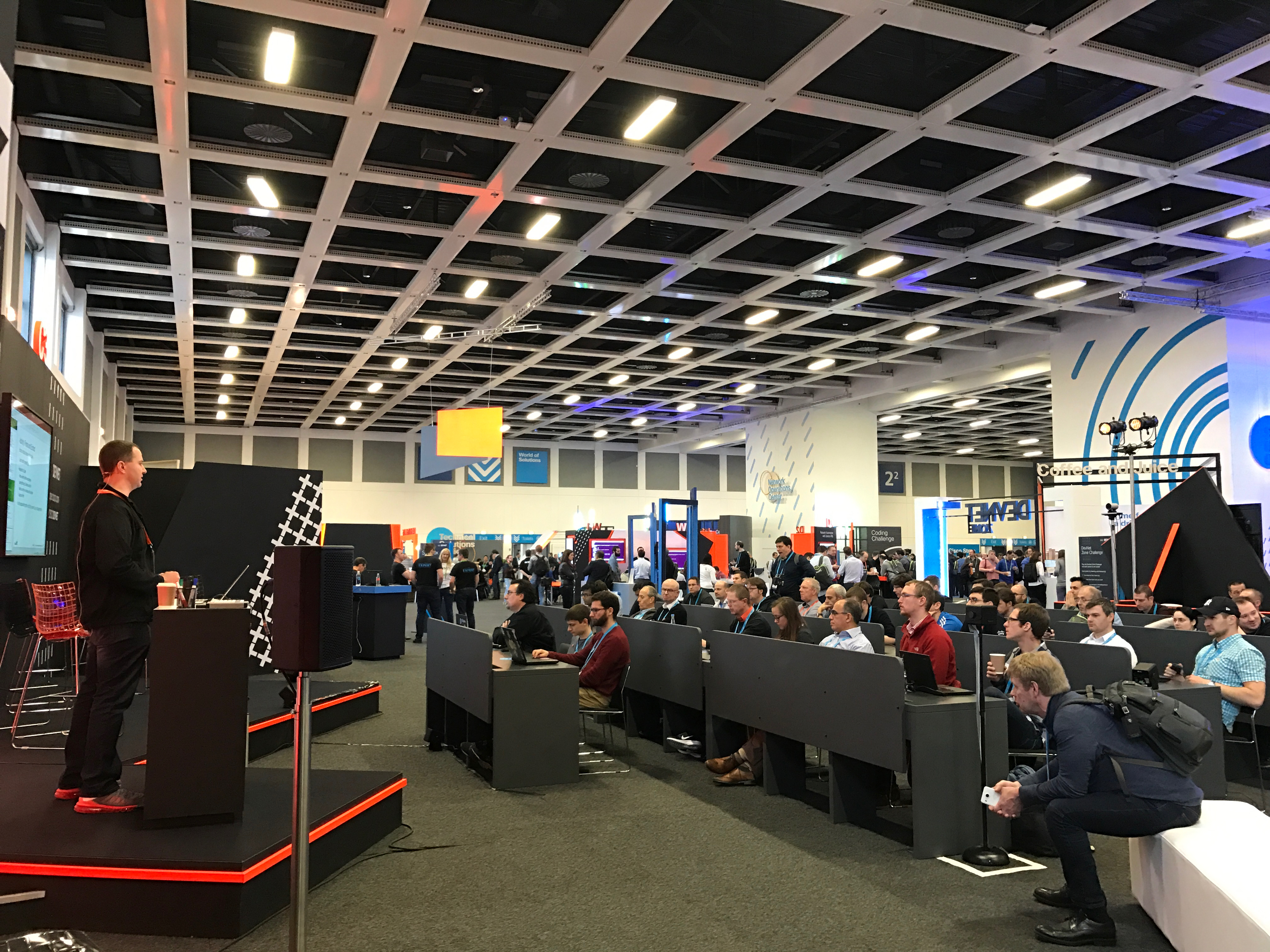
By all rights I should be exhausted. But I’m not. To the contrary, as Cisco Live Berlin 2017 winds down, I’m totally energized. So much creativity. So many amazing people, with innovative products and ideas that are truly transforming the way we