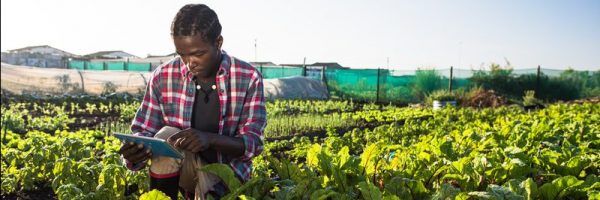

Creating a better and more inclusive future through regenerative sustainability
By working together, we believe we can find solutions to even our most complex problems. Learn more about our commitment to regenerative sustainability.


By working together, we believe we can find solutions to even our most complex problems. Learn more about our commitment to regenerative sustainability.


Climate youth activist, Diego Arreola Fernández, was a guest speaker at this year's SustainX. He shares his story and tips on how to get involved.

Cisco's SVP of Supply Chain, John Kern, shares how Cisco is taking action to drive a more just and sustainable future for the workers and communities in our value chain, and for us all collectively on this planet.


In honor of Earth Day, Cisco spoke with WWT, one of our largest channel partners to discuss how product takeback and reuse helps us meet customer needs.


Inspired to combine her passions of sustainability and giving back, Business Analyst Alisha got to work on educating children.


The Cisco Foundation is committing $100 million over ten years to fund nonprofit grants and impact investing in climate solutions. Learn more from Cisco's SVP of Corporate Affairs, Tae Yoo.


Cisco’s customers are asking for more energy-efficient products, learn how Cisco is meeting consumer demands for greater technological capabilities.
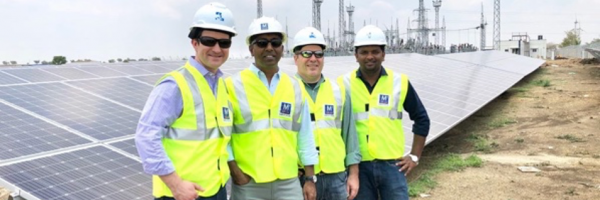

Here are a few things you should know about Vijay and his work at Cisco that makes an impact on environmental sustainability.


Last year, we installed Cisco beehives near our Research Triangle Park campus, in partnership with Bee Downtown and the RTP Foundation.


