
How to Manage Cable Network Traffic Congestion
With unprecedented demand facing local broadband networks, operators can alleviate and mitigate both congestion and capacity issues before they happen on cable operator DOCSIS plants.


With unprecedented demand facing local broadband networks, operators can alleviate and mitigate both congestion and capacity issues before they happen on cable operator DOCSIS plants.
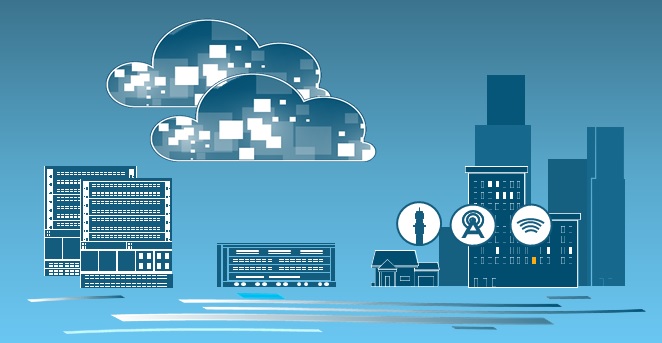

New cloud, virtualization and SaaS technologies have evolved in the last few years that can create a more flexible and efficient network for cable providers.


Data demands are on the rise and Service Providers are looking for functional, cost-effective options. Enter Remote PHY to the scene. Learn more about why a rural operator chose Remote PHY.


Remote PHY, the industry’s best bet technology for boosting performance, increasing capacity, reducing costs, and simplifying network operations, is the subject of a must-see seminar at this year’s SCTE-ISBE Cable-Tec Expo.

Here’s one of the big questions facing cable operators today – can their existing HFC infrastructure, built on a proprietary analog network, meet their evolving technical and business requirements?

Today, cable operators support a broad range of last-mile networks — fiber, PON, and Ethernet. However, with the current cable network infrastructure it can be more difficult to compete with fiber-only competitors.
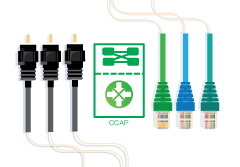
As the cable industry prepares to transition towards distributed access architectures utilizing the CableLabs Remote PHY standard, it’s starting to see the many benefits that RPHY can bring.
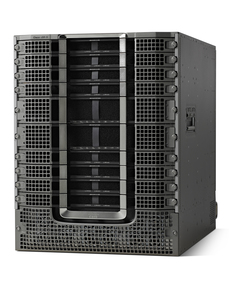
Tasked with answering the question of “Why is a Remote PHY Architecture is better than a Remote MAC/PHY architecture” it would be prudent to articulate first what advantages Remote PHY has to offer over other proprietary solutions and let the readers

“The wonderful thing about “standards” is that there are so many to choose from!


