


Your security is a muscle. You invest in its strength with Firewalls, XDR, Threat Intelligence, Observability and more. But how do you know it will hold up under real pressure? You let a professional sparring partner test it.
October is Cybersecurity Awareness Month – an ideal moment to go proactive.
Here’s how Cisco’s Assessment and Penetration Testing (APT) team mirrors real attacker tradecraft (safely), turns findings into business outcomes, and how you can start building offensive skills today with the Cisco Certificate in Ethical Hacking program.
Why “think like an adversary” now
Security is strongest when it’s tested against the ways attackers actually work. Penetration testing is the controlled, authorized rehearsal of those tactics – executed with guardrails – so you can discover and fix issues before they’re exploited. There is a standard methodology being followed but there is always the underlying theme “What happens if I do this….” and thinking outside the box. During the Cybersecurity Awareness Month, many organizations revisit basics; the most valuable basic is to validate assumptions with adversary-minded testing.
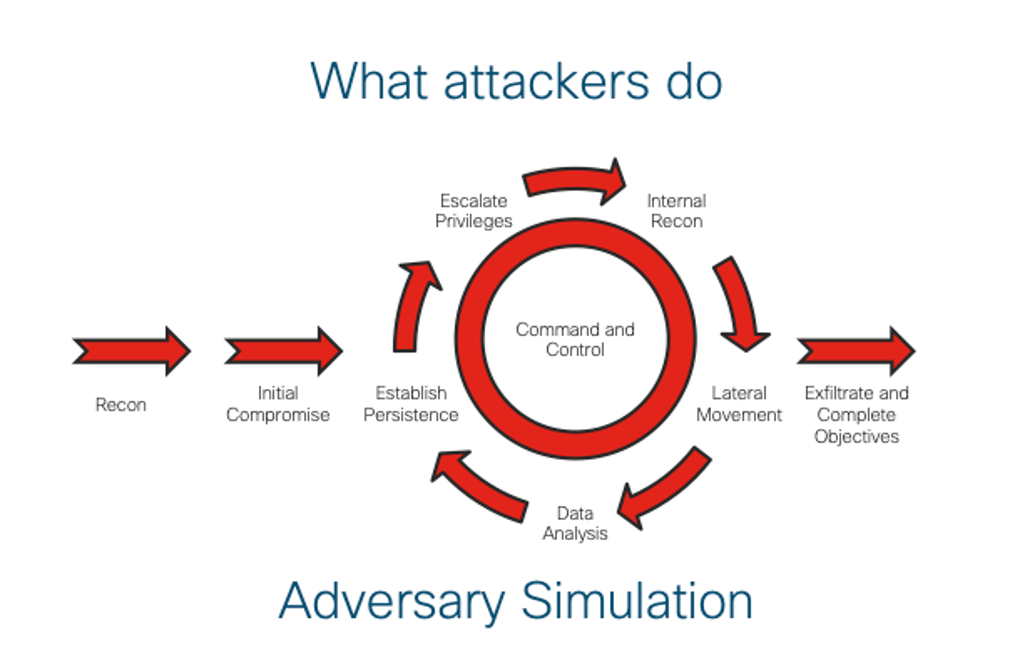
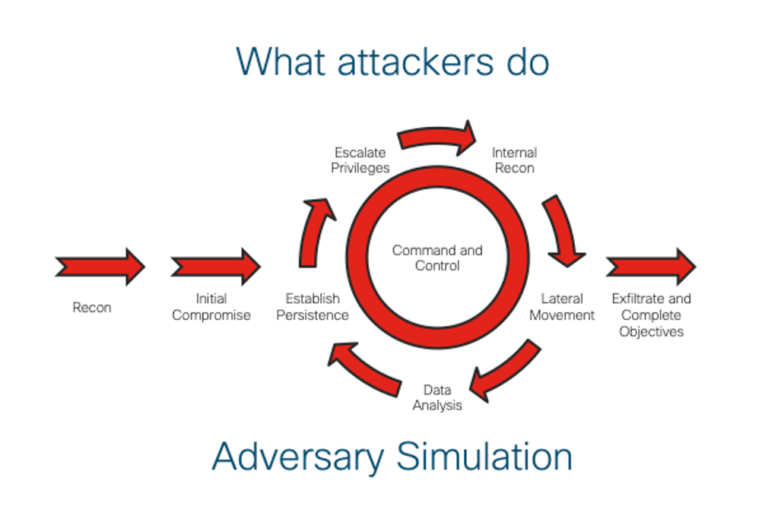
Figure 1 – Cisco APT Adversary Simulation Attack Flow
Pen test vs. red team vs. vulnerability scan (and why it matters)
- Vulnerability scan: Automated discovery of known issues. Fast, broad, low depth.
- Penetration test: Human-led exploitation attempts for the agreed-upon scope to demonstrate the impact of discovered vulnerabilities. Exposure discovery focused.
- Red team: Objective-driven simulation against people, process, and technology—often across longer time windows and with detection evasion. Attack detection and response focused.
Cisco offers all three, but this series focuses on Penetration Testing & Red Teaming – where human ingenuity matters most.
How Cisco executes – safely and credibly
- Scoping & Rules of Engagement (ROE). We define targets, success criteria, time windows, communications, and “stop conditions.” Safety and business continuity come first. Critical findings reported immediately.
- Threat-informed approach. Based on the customer’s top of mind concerns, industry vertical, and deployed infrastructure. For network penetration testing and Red Team exercises, we map hypotheses to MITRE ATT&CK® tactics relevant to your environment and sector.
- Evidence without disruption. We craft minimal proof-of-concepts (PoCs) to validate exploitability – no risky stunts, no noisy chaos. Flexibility to conduct specific testing at preferred times.
- Purple-team loops. When appropriate, we work directly with your security operations center (SOC). As we execute a technique, we help your defenders see what it looks like in their tools. This often means building and testing detection rules live in their SIEM, like Splunk, to ensure they can spot the real thing.
- Action-ready reporting. Findings are prioritized by likelihood × impact. We provide clear remediation guidance and, crucially, detection logic. This can include ready-to-use search queries and correlation rules for platforms like Splunk, empowering your team to immediately hunt for and alert on the TTPs we used.
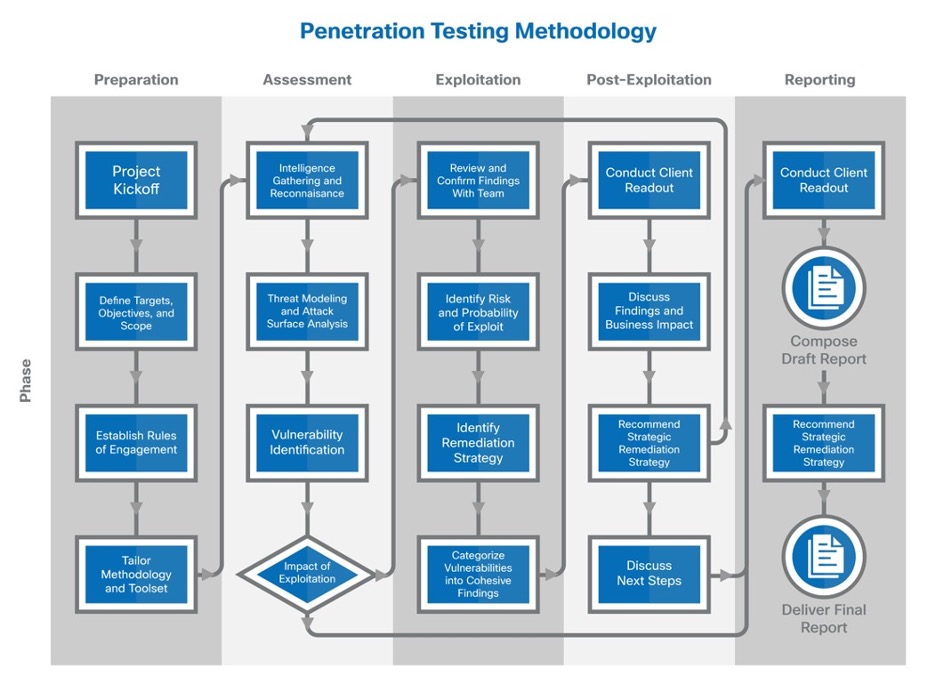
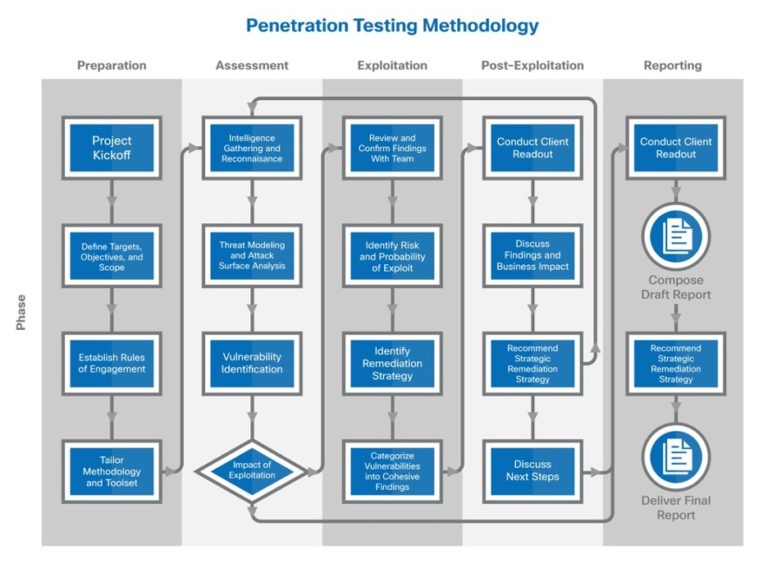
Figure 2 – Cisco APT Penetration Test Methodology
What we find most often (The Three Common Traps We See in the Wild)
- Authentication Exposures. Weak passwords….still! (e.g. Password123, Company123, Fall2025!), multi-factor authentication (MFA) blind spots, token reuse, weak lockout policies, over-privileged service accounts.
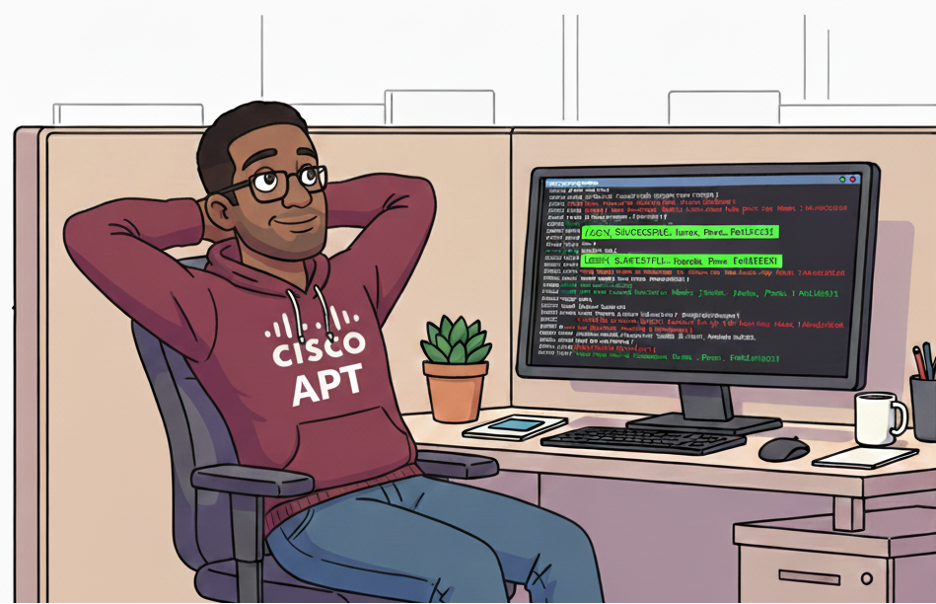
Figure 3 – Cisco APT Running “Password Spray” Attack
-
- Impact: This means a single compromised credential could give an attacker the ‘keys to the kingdom.’ More difficult to detect nefarious activity when valid credentials are being used.
- Application issues. Missing patches, lack of input validation, insecure direct object reference (IDOR), Server-Side Request Forgery (SSRF), deserialization flaws, JWT weaknesses – often in APIs.
- Impact: Unauthorized access to critical data or systems. Critical data can not only be viewed but also modified.
- Cloud misconfigurations. Public objects, permissive roles, unmanaged workload identities, exposed build pipelines.
- Impact: Unauthorized access to sensitive information. Sensitive information can be viewed or modified.
- Sensitive data exposure. Critical system configuration information (i.e. passwords), sensitive customer Personally Identifiable Information (PII), confidential corporate projects, etc.
- Impact. The impact of exposing sensitive data includes severe financial losses, legal liabilities, and reputational damage for organizations, while individuals can suffer from identity theft, financial fraud, and loss of privacy.
Turning findings into outcomes executives care about
- Business impact framing. We link technical risk to affected processes, data, and regulatory exposure. At project kickoff, critical business functions and the supporting infrastructure are identified.
- Prioritized roadmap. “Fast wins” (config changes, control toggles) vs. “strategic fixes” (identity tiering, segmentation). Penetration testing and Red Team outcomes identifies short-term priorities to significantly improve security posture.
- Metrics that matter. Dwell time reduction, control coverage, detection fidelity, and closure SLAs.
Build the skillset: Cisco Certificate in Ethical Hacking is your on-ramp
If you’re curious about how this work actually feels, start free with the Ethical Hacker course at netacad.com – part of the Cisco Certificate in Ethical Hacking program. You’ll cover recon, web vulnerabilities, safe exploitation fundamentals, and reporting practices. Cisco Certificate in Ethical Hacking is also a strong foundation for advanced certs like OSCP or CEH.
Start learning free: Visit netacad.com → “Ethical Hacker”.
Validate your skills: Attempt a CTF challenge on Cisco U. to earn your Cisco Certificate in Ethical Hacking.
Connect with like-minded peers: Ask questions when you’re stuck, and share tips that might help others in the Cisco Certificate in Ethical Hacking Community.
Where to go next
- Ready to test with guardrails? Explore Cisco Penetration Testing & Red Teaming services and request a scoped engagement. Contact your Cisco representative.
- Want more TTP detail? Coming soon in this blog series, up next: From Recon to Initial Access – a closer look at early-phase techniques and how to stop them.
Ethics & safety note: All testing described is performed under explicit legal authorization, defined scope, and strict ROE to protect client systems and data.


