Avatar

We’ve talked about the market transition from implicit to explicit trust. It’s not enough to go on the word of an individual or the reputation of a vendor, customers are demanding explicit trust. Explicit trust is trust that is earned, not assumed. In other words, our customers are demanding evidence to confirm trust.

I am thrilled to share that we have taken a massive step towards explicit trust.

Cisco has created a framework, in partnership with the National Institute of Standards and Technology, for automating and testing the correctness of a foundational security mechanism – cryptography. As the world goes digital, there is an even higher reliance on cryptography because of its fundamental role in allowing for the transformation of information to prevent others from observing its meaning or adversaries reaching it to do harm. This new breakthrough allows us to test the cryptography, on demand and in real-time, to ensure it is behaving how we expect it to be. It is a first, yet crucial, step in putting forth automated, transparent, data driven methods to earn customers’ explicit trust. Our intent is to be completely transparent with the technology by providing open source code and will be leading the development of an international standard for the supporting protocol through the Internet Engineering Task Force.

For the new digital world with live in, with interwoven systems being created and massive amounts of data being generated, a new level of trust is needed. It’s important to stop and just think about what we are asking – for both Cisco as a company and all of us as an industry – in terms of trust. We are asking our customers to trust the systems that manage and process their data, the people and partners who access their data, the systems and controls and the fundamental technologies and processes that protect their data. With so many systems, handling so much data, it is near impossible to get that evidence in a timely and scalable manner.

Any discussion about trust needs to include transparency. Transparency is important but being transparent about the right information is critical. For example, our customers challenge us about our products being secure. They ask, “Why would I trust the router I just bought from Cisco?” To prove it, we would hand over information about all of our security tests, all of our design documents and in some cases even pieces of our source code. Within this pile of massive amount of information is a needle or the right piece of information to prove that router’s trustworthiness to that customer. It can become about time and efficiency. Right now, enterprises and government entities alike are investing a ton of money building complicated certification activities that only do a fraction of the job. The digital world amplifies the complexity. To keep up, we need automated capabilities that allow us to challenge systems in real-time to their trustworthiness – i.e. asking it to provide information about its activities and verify it is indeed doing what we expect it to be doing. It requires an automation of explicit trust.

This is why Automated Crypto Validation Protocol (ACVP) was created. ACVP allows for automated, simple ways to empower any customer to challenge the trust of a critical security system (via cryptography) in order to inexpensively, and quickly, provide real-time evidence of explicit trust. It’s a game changer and provides the opportunity for organizations to have the confidence to adopt new technologies quicker. Similarly to ACVP, innovators need to create more automated, simple ways to confirm the integrity and trustworthiness of platforms.

Trust is a long-term journey. It requires a long-term approach and commitment to constant improvement. For more about Cisco’s journey and commitment to Trust and Transparency, please visit our Trust Center.


Authors

Anthony Grieco

SVP & Chief Security & Trust Officer

Security and Trust Organization

Avatar

Unidentified Flying Objects, or unexplained aerial observations, have been reported throughout history.

The term ‘flying saucer’ wasn’t coined until 1947, when an amateur pilot in the US was misquoted in the press when he claimed he saw nine crescent-shaped objects flying through the air like “saucers skipping on water”.

Our fascination with UFOs and the existence of extra-terrestrial life goes back much further. From the tantalising carvings of‘spacemen’ made by the Maya, to the mysterious Nasca Lines of Peru, there are a number of ancient sites that some suggest prove our ancestors had close encounters with aliens.

Whether or not you believe in the existence of aliens and UFOs, there’s a more recent technology phenomenon that tends to evoke just as many myths and debate: the cloud.

Why would cloud computing be such a source of mystery and debate you may ask?

Surely everyone knows what cloud is about! …..right……?

…so let us start with this cloud myth-busting exercise in celebration of this surely known to everyone and widely memorable day…

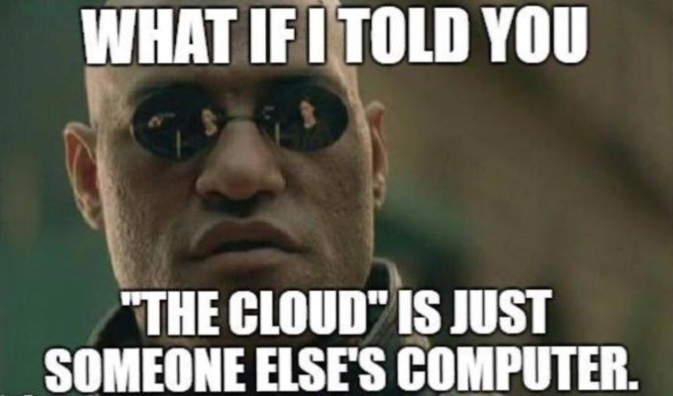
First Things First: There’s no such thing as “the cloud.”

FYI: The image comes with an interestingly bitter response here

I know that these days the term ‘cloud’ is synonymous with “the Internet” (although let’s face it, it is much funkier). But “a cloud”, or “the cloud”, simply do not exist!

An interconnected network of clouds that belong to service providers, which they use for the delivery of services (a large proportion of them being publicly accessible or web-facing ones), well, that’s probably a bit more accurate. However, technically, we couldn’t be sure to what extent this can replace “the internet”, as I am sure there will be some web or ftp server out there that’s still not virtualised and thus part of a scalable resource pool bla bla bla…

Ironically, it is this lovely bulletproof Internet Protocol that creates the illusion of singularity. But no, sorry. The world is made of multiple clouds for use, each one having their own tools and standards. That might bring complexity, but it also means capabilities to explore!

So, every time someone says “why don’t you put it on the cloud?” the expected question should be: “Excuse me, which cloud are we talking about here?” which also provides the opportunity to be included in this elite category of people that will respond to questions with questions. #answering_questions_with_questions_rulez

Which masterfully brings us to…

Cloud is not a location.

Cloud Computing is a computing paradigm or a computing model, according to the bible of cloud, written by the ancient fathers of NIST.

It’s a digital transformation journey where organisations can modernise their use of technology and better align IT and business, the holy grail of Information Technology. In more mature cloud adoption strategies, it links with changes in people and process, rather than technology only (which is why there are vendors including Cisco that offer cloud advisory services).

What does “moving to the cloud mean?

A phrase that when used by X number of people can actually have X+Y number of meanings simultaneously, because you can safely assume at least one is confused but still using it. For example:

1. It might mean literally moving “legacy applications”, i.e. traditionally-developed applications to rented Virtual Machines (or virtual servers or virtual infrastructure) that can host them, on top of shared or dedicated infrastructure. Infrastructure as a Service, as we love to call it.Can all applications be moved to a cloud? No.
In fact, there are applications in High Performance Computing for example that cannot and should not even be virtualised.

2. It can also mean building applications using platform tools (PaaS), where the required application components don’t live in VMs but are provided “as a service” commonly referred to as “microservices” or cloud-native development. This means you don’t need to carry the traditional software stack of a virtual or physical “server” to develop or run those applications – i.e. Operating System, firmware, libraries, etc. Another way of trimming this extra fat while still getting the benefit of packaging is via containers. That’s what the people want and it’s where the future is, minus of course the lock-in 😉Can all applications be re-written using PaaS? Potentially.

Will we be younger than 96 to witness this? Perhaps.

As for the future ones that your team will be building, well, this is the closest it gets to cloud-enabled digital transformation.

3. Lastly, “moving to the cloud” might also mean consuming software online via a browser or a light-weight app that sources its functionality online. For example, good old Software as a Service (SaaS) – e.g. gmail.com, office365, salesforce, WebEx, Spark et al. And let’s not forget the apps that we are bringing every day to the corporate network such as Facebook, Spotify, and WhatsApp.

But software offered as a service can be a complimentary or management toolset for other software or even for a hardware device, such as security or analytics apps that effectively contribute to reducing the overall complexity of IT itself. This is what we loosely refer to as a Cloud-based or a Cloud-managed service, emphasizing on the subscription aspect of cloud – ie consuming something as a service (XaaS).

For example, the Operating System for your iPhone, one would argue, or the one of your TV box. Similarly, your Meraki solution for your wifi or CloudCenter for managing the different cloud platforms you use.
Or CiscoDNA Center, part of the most Hollywood-like launch taglines in the history of IT.
Or Cloudlock to protect users and devices when they use other cloud apps etc.
Or Jasper
Or…

In that sense, moving to the cloud relates to a capability or a process that someone else (or you) is managing using a centralised technology-based solution to more efficiently address a business need.

Finally, my all-time favorite…

“I want to move my business to the cloud”

Image result for hot air balloon funny

Technically, unless you have a hot air balloon large enough to fit all your employees and assets, let’s be honest, that’s not going to happen.

There is simply no vendor or cloud provider that can cater for everything. Even if you just started and you are using a suite of cloud apps (and you should!), you will need something to connect to that cloud. And then as you grow you might need customised apps or to build your own. And then potentially more network capabilities as you have more customers, partners, offices and employees etc.

All the above will go to different “clouds”.

If you think about it, moving an organisation to the cloud means basically mapping out all those individual business processes and requirements to online services offered in different clouds (or simply by different service providers).

The objective is to simply optimize your business and make better use of technology.

…which reminds me:

Myth: Cisco doesn't really get clouds. Fact: Cloud permeates everything we do.


Yes, please go ahead and move to “the cloud.”

Just tell us what and which one you want to move to and we can help.

(In fact, we should trademark this statement, as I don’t think other vendors or service providers can really claim this)

Isn't there one single solution for all my challenges? Nope. But there is a smarter approach to cloud.


Authors

Kostas Roungeris

Marketing Manager

Cloud Solutions, EMEAR

Avatar

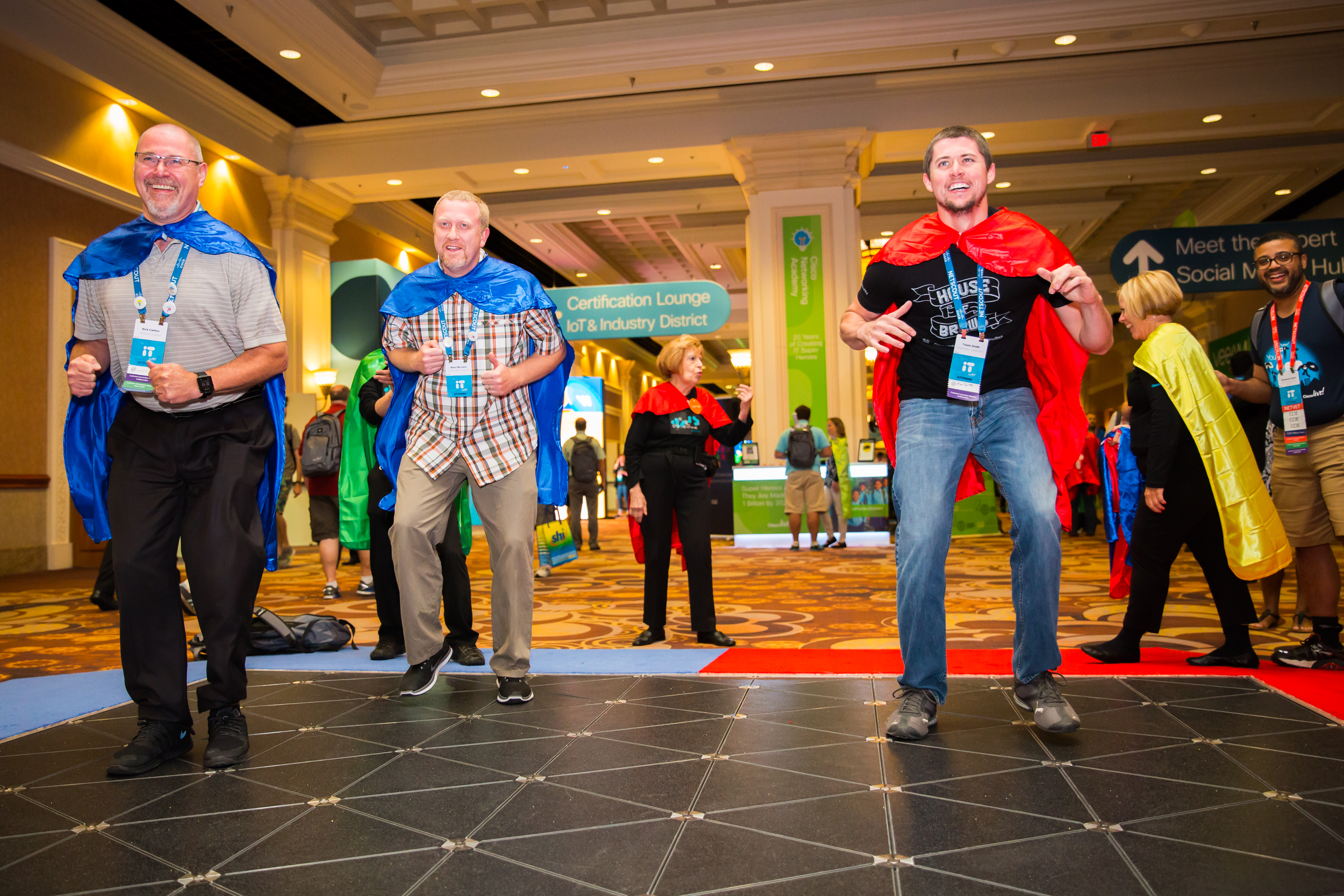
Cisco Corporate Social Responsibility’s (CSR) goal is to positively impact 1 billion people by 2025 and at last week’s Cisco Live US 2017, we took significant steps (literally) to get there! As part of the social impact efforts, we joined more than 28,000 attendees for “Network to Light,” harnessing two million steps worth of energy for students in Nepal.

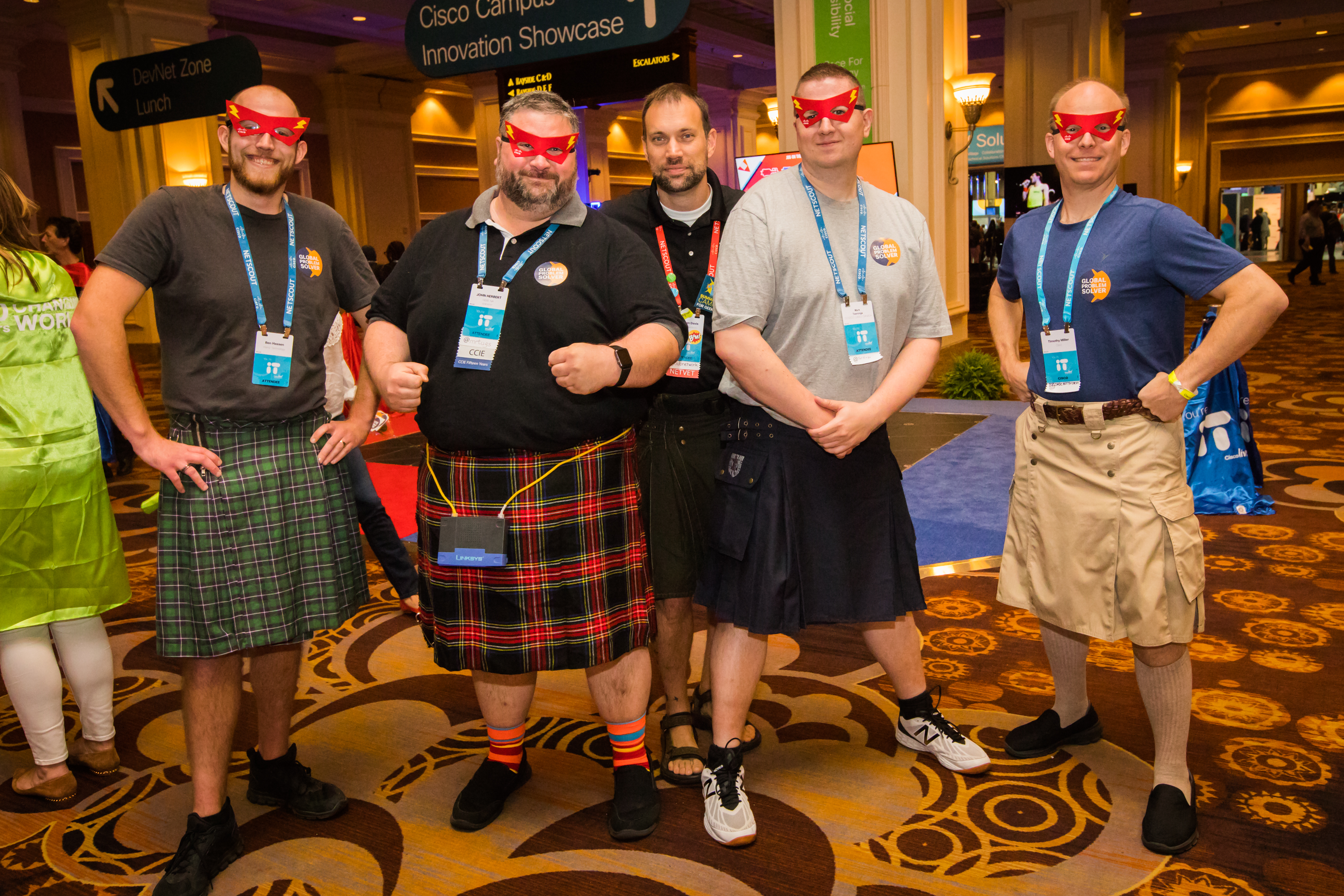
As part of this activity, we hosted one of the event’s three kinetic tile areas in our CSR Lounge. Our goal was to harness the energy of 1 million steps at Cisco Live — enough to provide electricity to 40 schools in Nepal for a minimum of four days, impacting 30,000 students. But at the end of the week, with help from men in kilts, dinosaurs, and hundreds of IT superheroes, we more than doubled our original goal.

The efforts of global problem solvers at Cisco Live generated nearly 5,000,000 joules of energy, but our work didn’t stop there. Here are a few of the highlights from the whirlwind week in Las Vegas:

Before the event began, the Cisco Networking Academy Dream Team arrived for a back-stage pass to Cisco Live. Every year, 12 stellar NetAcad students from the US and Canada are nominated to the Dream Team, a unique development opportunity to shadow nearly 100 team members who deploy and support the event Network Operations Center (NOC). Last week, with the help of the Dream Team, engineers set up 2,304 wireless access points, creating 2.8 million square feet of wireless access for attendees!

On Sunday, 10 local NetAcad students attended the Cisco Empowered Women’s Network event, where they met CDW, a Cisco partner that has hired former NetAcad students. The 10 students, who were selected to attend from a pool of applicants, saw firsthand how Cisco and its partners are working together to fill the IT skills gap with qualified talent.

Then on Monday, Cisco CEO Chuck Robbins highlighted CSR in his opening-day keynote. He shared a new video about our work to accelerate global problem solving, and gave an update on our goal to positively impact 1 billion people by 2025, which currently stands at nearly 80 million!

Then on Wednesday, Tae joined Shari Slate, Vice President, Chief Inclusion & Collaboration Officer, on Cisco TV for a live broadcast. She highlighted global problem solvers before the action transitioned to the CSR Lounge, where we celebrated NetAcad’s 20th anniversary! Dream Team members, NetAcad students, and instructors threw confetti, wore hats, and rung in the “birthday” with a huge celebration, captured live for all Cisco Live attendees online and in Las Vegas.

NetAcad has the power to change people’s lives, elevate careers, and transform communities. In 20 years, it has reached 6.9 million students in 170 countries around the world, delivering a pipeline of talent to fuel business transformation and take on global problems.

To catch up on all of the activity you may have missed, follow Cisco CSR on Twitter!

Authors

Austin Belisle

No Longer with Cisco

Avatar

Today the world is still reeling from the global mayhem created by yet another ransomware attack – the bigger, more ruthless brother of the WannaCry attack that took place only six weeks ago. The ransomware has been referred to as Petya, NotPetya, Petrwrap, and GoldenEye. Cisco’s Talos Threat Intelligence Team has identified this new variant of malware that brought industrial giants, governments, and central banks to a grinding halt as Nyetya. Talos Security is regularly updating their Nyetya blog with new information.

Nyetya vs. WannaCry: What’s the difference?

Like WannaCry, Nyetya victims receive a message demanding payment via Bitcoin and are asked to send confirmation of payment to an email address included in the ransom note. Both versions of ransomware attack computers by entering through a “hole,” or vulnerability in Windows. However, several factors are making the Nyetya attack worse:

  • In addition to this known vulnerability, Nyetya employs two more methods to attack computers laterally. None of the three methods require the user to take an action such as downloading a file or clicking a link.
  • Nyetya encrypts both the data and the master boot record (like a table of contents for a hard drive), which makes the computer unresponsive and impossible to use.
  • So far, no “kill switch” has been discovered for Nyetya like the one that stopped WannaCry, which means that no one knows how to stop this attack from spreading.
  • There is no longer an option for people to contact the attackers for a decryption key to unlock their computer after paying the ransom. Shortly after the attack began, the email provider Posteo shut down the email address.


Does Nyetya have political connections?

According to Cisco’s Talos Threat Intelligence Team, some infections may be associated with software update systems for a Ukrainian tax accounting package called MeDoc. MeDoc is popular across various industries in Ukraine, including financial institutions.

The infection occurred during an automatic update of the software on June 22. The virus spread throughout Ukraine and around the world for five days before the ransomware was launched on June 27, prior to a national holiday.

“Last night in Ukraine, the night before Constitution Day, someone pushed the detonate button,” said Craig Williams, head of Cisco’s Talos threat intelligence unit. “That makes this more of a political statement than just a piece of ransomware. It’s very clear that whoever was behind this would somehow benefit from causing a significant amount of negative business impact on Constitution Day,” Williams added.

Talos Nyetya

Ransomware and Banks

Nyetya hit the National Bank of Ukraine and another national central bank hard. It also crippled many branches and lenders as financial institutions in Ukraine and Russia reported significant system outages early on during the ransomware attack. Many ATMs in the Ukraine were out of order or displayed Nyetya’s ransomware message on their screens.

“The National Bank of Ukraine has warned banks… about an external hacker attack on the websites of some Ukrainian banks… which was carried out today,” Ukraine’s central bank said in a statement on June 27, 2017. “As a result of these cyber attacks these banks are having difficulties with client services and carrying out banking operations.”

How can banks protect themselves from ransomware?

Aside from making sure that all systems are updated, this event underscores the need for financial services firms to take a closer look at their infrastructure. Hackers get smarter every day and networks should too.

It’s critical to have a secure, intelligent network that constantly learns and evolves to detect issues before they happen and find ways to resolve them automatically. Today’s fully integrated, intelligent, highly secure networks can identify immediately what’s trustworthy and what isn’t–even seemingly benign and routine processes like software updates from trusted accounting software vendors.


Learn more

  • Listen to a recorded webinar from Friday, June 30, hosted by Martin Lee, technical lead on Cisco’s Talos threat research team, to understand the latest in the new malware variant, Nyetya.  Hear the latest on the attack and steps you can take to strengthen your security.


Authors

Kami Periman

Financial Services Subject Matter Expert

Marketing & Communications

Avatar
Talos are releasing advisories for vulnerabilities in the Dell Precision Optimizer application service software, Invincea-X and Invincea Dell Protected Workspace. These packages are pre-installed on certain Dell systems. Vulnerabilities present in these applications could allow attackers to disable security mechanisms, escalate privileges and execute arbitrary code within the context of the application user.

Authors

Talos Group

Talos Security Intelligence & Research Group

Avatar

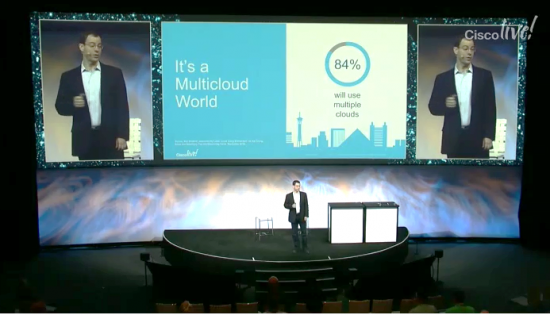
Reflecting on  Cisco Live Las Vegas 2017, I’m even more excited about Cisco’s role in shaping the digital business of the future. Customers are also excited and want to know what that means for cloud. From the keynote, to the World of Solutions show floor, even at the coffee carts —“digital business” and “cloud” were hand-in-hand in almost every conversation. Multicloud was also a big topic. Chuck said it best when he half-jokingly asked in his keynote, “How many of you use ONE cloud?” <Audible groans and chuckles from the audience>.

Our customers get it. We don’t need to convince them that it’s a multicloud world — we need to help them do more. But the biggest challenge is no longer getting to the cloud; it’s navigating and leveraging the many clouds and many vendors that make up a multicloud environment. Now more than ever, they know Cisco can help.

Over the five-day conference, we had over 150 sessions, technology tracks, exhibits, and showcases featuring Cisco’s cloud solutions.

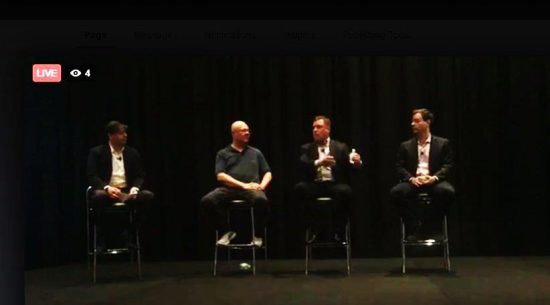
I had the opportunity to sit on a panel with our customer SAP Ariba and our partner Equinix. The conversation centered on how businesses are innovating in multicloud. The audience poll responses reflected that the majority are using more than one cloud vendor to address their business needs and many are heavy users of SaaS and IaaS public/private clouds. They have concerns about managing it all.

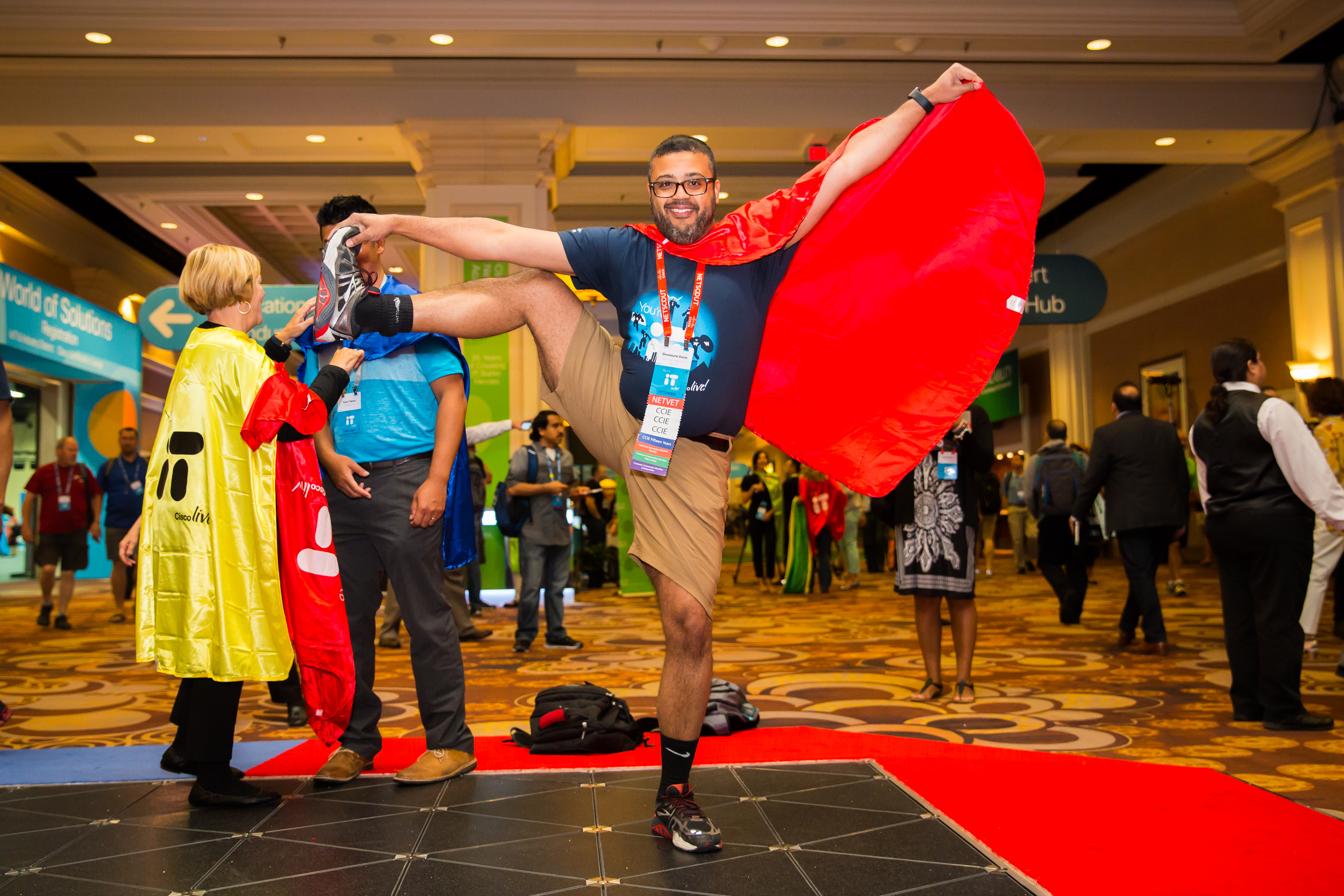
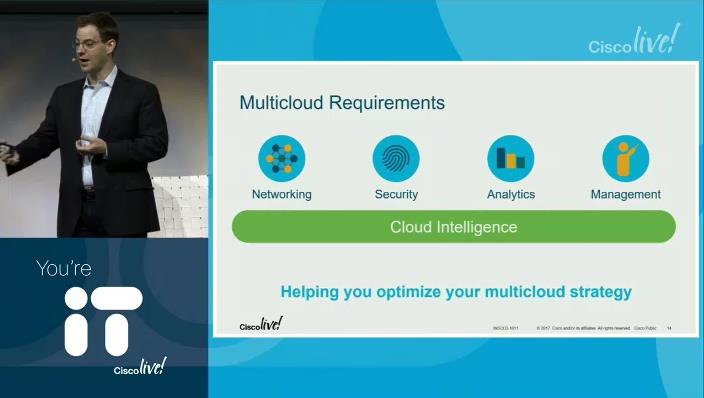
After presenting an Innovation Showcase session on Wednesday, I spoke with several customers about the challenges they face with striking the right balance between control and innovation across on- and off-premises environments and multiple clouds from various providers. Going with the conference’s Superheroes theme, I was asked if cloud were a superhero, what super powers it would have. My answer: networking, security, analytics, and management.

Throughout the week, I also connected with several of our partners, industry analysts, and press about our Cisco cloud strategy. They know the digital business of the future will not run on one cloud platform and requires some “golden thread” to effectively, plan, build, and securely manage multicloud environments. They know businesses need a solid cloud strategy with solutions to back it up and they know Cisco’s got this. One thing that came up in many conversations was how far the industry—and Cisco—has come in the year since Cisco Live 2016. The feedback from customers, analysts, and partners was that Cisco has a clear articulation of the value we bring to our customers and partners as they navigate a multicloud world. We’ve got a strong portfolio today, and can’t wait to see what we can do with our customers and partners in the next year!

If you asked 10 people about what was top of mind for them at this year’s at CLUS, you’d get 10 different answers. But if you asked them about digital business, the answer always included cloud. Customers want to innovate and are asking us to help them take advantage of the opportunities that come with digitizing their business. How do I transform my infrastructure? How can I add services that enable us to offer more to customers? Or simply, how do I manage my business in a multicloud world? John Mitchell from SAP Ariba joined me on stage during my session and asked, “Can you evolve as this whole multicloud space evolves?”

Customers want help on their path to becoming digital businesses,  and Cisco cloud solutions have an important role in helping them get there.


For more information:


Authors

Kip Compton

No longer with Cisco

Avatar

Cyber criminals are at it again. (Truthfully, cyber bad guys never sleep.) Just weeks after the WannaCry ransomware attack threatened organizations around the globe, a new ransomware exploit—called “Nyetya” by the Cisco Talos threat analysis team—has grown from roots in the Ukraine to spread across Europe and to the U.S. and Asia, affecting organizations of all types, including government agencies, banks, and transportation and manufacturing facilities. (To date, no education institutions have reported a Nyetya attack, but keep an eye on the latest from Cisco Talos for updates.)

Nyetya enters vulnerable systems and encrypts the master boot record, spreading from there through the network. As was the case with WannaCry, regular software patching is an early line of defense; those systems that don’t take advantage of regular patches are most vulnerable.

“Prioritize cyber-hygiene,” that is, ensuring regular software patching and rigorous password management, is one of three guiding security principles I wrote about in my blog about WannaCry: Held for Ransom(ware): Protecting Your School—and Data—from Current Cyber Threats. The importance of prioritizing cyber hygiene and two other security principles, “assume that breaches have taken place” and “build user awareness,” are proven best practices for schools, colleges, and universities working to ensure security and protect data; these security principles are relevant, and essential, regardless of what a cyber threat is called. You can read more in the Cisco whitepaper Tackling the Ransomware Threat: Guidance and Recommendations for Schools and Universities. You can also find more information about Nyetya, and learn how to protect your campus and those who live and work there from any ransomware threat, here.

Authors

Donna Eason

No Longer at Cisco

Avatar

In less than a year from now, on May 25, 2018, the EU General Data Protection Regulation (GDPR) will be enforced, significantly increasing potential fines and costs for data processing in EU member countries and anywhere EU personal data is processed.

GDPR replaces the existing patchwork of EU National Data Protection legislation and brings a degree of long-anticipated consistency to the data protection landscape in Europe. Essentially, GDPR legislatively embodies the well-recognized privacy principles of transparency, fairness, and accountability.  GDPR also attempts to introduce a risk-based approach that enables innovation and participation in the global digital economy while respecting individual rights – which can be a very good thing.

In our view, the digital economy can only flourish when you connect people, process, data and things in an ethical, meaningful and secure way. That includes creating an environment in which everyone can easily do business and know their data is safeguarded. We are committed to helping our customers and partners by protecting and respecting personal data, no matter where it is from or where it flows.

What is Cisco doing to be GDPR-ready?

We are getting ready for GDPR in the following ways.

Our industry-leading data protection program includes:

Policies and Standards – Developing standards and processes to define the Personal Data lifecycle and help ensure data transparency, accuracy, accessibility, completeness, security, and consistency.

Identification, Classification and Mapping – Inventorying and mapping our data and identifying what we have, what we are doing with it, where it is, where it flows, and who has access to it. We classify data based on risk and sensitivity in context. That risk is data-led/ person-led, while we do care about avoiding fines, we believe focusing on the outcome and purpose of processing leads to a better and more holistic risk profile.

Data Risk and Organizational Maturity – Focusing on understanding risks and conducting threat modeling for unique data sets we process. Assessing the risks, strengths, and opportunities to understand maturity against industry benchmarks and, where those do not yet exist, we design the bench.

Incident Response – Implementing an enterprise-wide, data incident response process that is integrated with our business continuity processes.

Oversight and Enforcement – Deploying a centralized data protection governance model that oversees, monitors, and enforces adherence to policies and standards, including third-party controls, vendor oversight, monitoring, audit, and remediation.

Privacy and Security by Design or Default – Integrating data protection, privacy, and security requirements into product design and development methodologies via Cisco Secure Development Lifecycle. Embedding privacy requirements in the development cycle from ideation to launch, to validation. In short, we use privacy engineering techniques to evaluate and build better offerings to turn privacy by design policies into actions and tangible improvements.

  • International Transfer
    We are certified under the EU-US and Swiss-US Privacy Shield frameworks as set forth by the U.S. Department of Commerce regarding the collection, use, processing, and cross-border transfer of personal data from the EU and Switzerland to the United States. Cisco is also in the process of achieving approvals for our Binding Corporate Rules across the EU.

In addition, we have a publicly available Cloud Services EU Data Processing Addendum for cloud offerings that includes Standard Contractual Clauses to allow the transfer of personal data from the EU to the rest of the world.

  • Third-party Audit and Certifications
    Reinforcing our commitment to protect Cisco and our customers, we have obtained several third-party certifications for our products and services. For example, Cisco WebEx is ISO 27001 and SSAE-16, SOC2 certified, and we have successfully completed the ISO 27001 certification across our entire services business worldwide. With these certifications, our customers can be confident that we are protecting their data. 

What you can do to get ready for GDPR

To fully protect personal data, you need to know what data you are collecting, how you are collecting it, what you are doing with it, who is processing it and where, and how you are protecting it – whether at rest, in use, or in motion.

Here are some recommendations to help you get ready.

Map – Conduct a company-wide inventory and mapping of personal data. Pay special attention to the “who”: Who manages?  Who builds?  Who accesses? Who corrects?  Who deletes or returns?  The “what” will determine your strategy. The “who” will make it a part of your culture and make data protection a part of your accountability profile.

Assess and Manage – Evaluate risks, strengths, and opportunities and establish governance for data usage and access.

Secure – Protect personal data with security measures capable of preventing, detecting, and responding to vulnerabilities and data breaches. Secure the negligent and mistaken as well as the “bad guys”.

Raise awareness – Create a security and privacy-aware culture by involving everyone in your organization in protecting their own and your customers’ personal data, including reporting data breaches. Data protection obligations are as pervasive and constant as currencies that flow through and across the networks. Awareness and fresh updates are essential.

Join the Journey to GDPR

As part of our ongoing efforts to support the security, trust, privacy, and resilience of our customers, we are committed to securing their data. In the coming year we will continue to share our journey to assist you in your own efforts to be ready for GDPR. We’ve got this. Let’s GO!

For more information on how Cisco is preparing for GDPR, visit our Trust Center.

Authors

Michelle Dennedy

No Longer with Cisco

Avatar

Like a nasty strain of antibiotic-resistant bacteria, ransomware reared its ugly head again this week. This attack is called Nyetya, as named by Cisco’s Talos threat intelligence team. (You may have heard it referred to in the press as Petya, but we believe this variant is different enough to warrant its own moniker.)

Nyetya is particularly wicked because it spreads automatically, using one of the same vulnerabilities that WannaCry exploited in May’s attack. And while it hasn’t impacted any public healthcare systems like the UK’s NHS (at least not yet), the industry wasn’t completely spared.

As of this writing, a health system near Pittsburgh, a pharmaceutical company, and a voice and language tool provider were all affected. So far, there are no widespread reports of patient care disruptions, although one news report referenced a canceled surgery and there are anecdotal reports of dictation and transcription difficulties.

This attack underscores once again the importance of strong cybersecurity in healthcare (and in all industries, for that matter). Cisco’s security team has a great summary of the incident – I highly recommend you check it out here. For more in-depth technical analysis, including tips on mitigation and prevention, read Talos’ blog here. Plus, to hear directly from Cisco security, join our webinar hosted by Martin Lee, technical lead on Cisco’s Talos threat research team. The webinar will take place on June 30 at 7 am PDT / 3 pm BST / 4 pm CEST. Sign up here.

And if you didn’t do so last time, make absolutely sure your Microsoft patches are up to date!

Interested in cybersecurity strategies to help protect your healthcare organization?

Authors

Amy Young

Marketing Manager

Healthcare