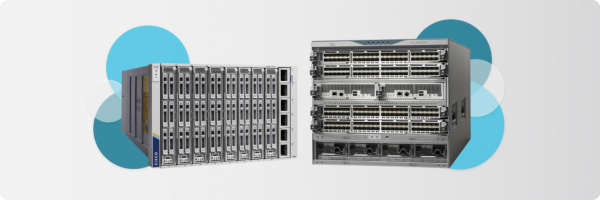

Cisco UCS and Cisco MDS
The joint adoption of Cisco UCS compute systems and Cisco MDS 9000 Series of storage networking switches provides a significant benefit to the enterprise: advanced design options, easier management and better support.


The joint adoption of Cisco UCS compute systems and Cisco MDS 9000 Series of storage networking switches provides a significant benefit to the enterprise: advanced design options, easier management and better support.

Cisco receives two awards from CRN. UCS X-Series has become the fasting ramping UCS server for Cisco. Our customers are choosing UCS X-Series because they really appreciate the modular design that allows them to future proof their environment for the
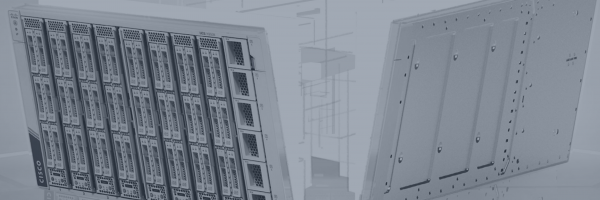
Cisco UCS X-Series offer the flexibility to support modern, traditional enterprise, and scale-out apps, helping IT teams gain agility and better respond to dynamic business requirements.
I’ve been working on Cisco UCS TCO/ROI for almost 12 years. The results have remained remarkably consistent, and I’d like to share what I’ve learned over the last decade plus.
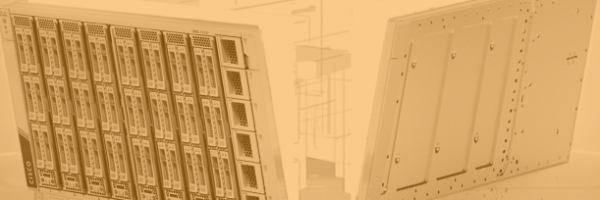
Cisco has always partnered with industry leaders to deliver best of breed solutions as well as flexibility and choice. With the introduction of UCS X-Series, we have again partnered with industry leaders to deliver innovative solutions with our
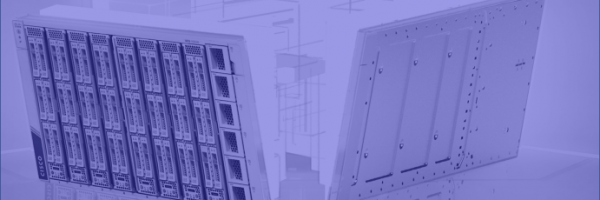
we designed the Cisco UCS X-Series with the flexibility to support a wider range of applications. Previously, you might have used blade servers and rack servers depending upon the need for local storage or expansion cards. Now, a single system blurs
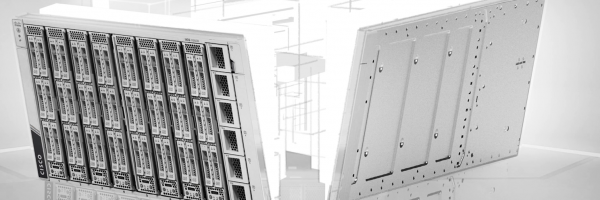
Modern enterprise computing workloads are adapting to a hyper-distributed and hyper-connected world where apps, devices, and data can be accessed anywhere and anytime. In turn, advancements in application architectures made it possible to deliver
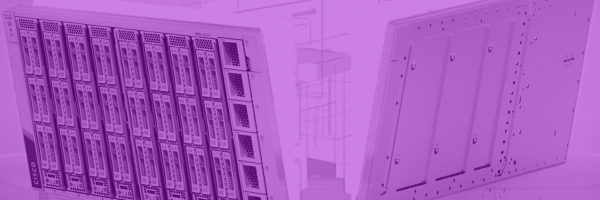
When evaluating servers for your next project, at the edge, in the data center, or someplace in between, you should also evaluate how they are managed and what else that management platform has to offer.
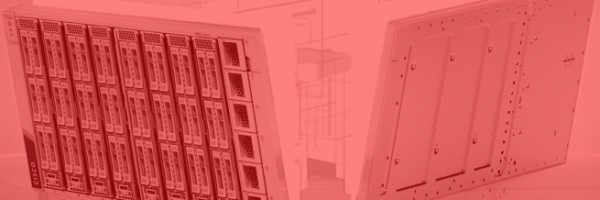
Cisco UCS X Fabric Technology is the second fabric in X-Series, named for its versatility and flexibility. While Unified Fabric is Ethernet-based, UCS X-Fabric blurs the lines between rack and blade servers. It allows you to compose system policies in


