


As we mark the one-year anniversary of Hurricane Helene and the 20th anniversary of Cisco Crisis Response (CCR), I find myself reflecting on the true meaning of resilience — both within communities facing unimaginable disaster and within the teams mobilizing to help restore hope.
Two decades ago, Cisco’s journey in crisis response began in the aftermath of Hurricane Katrina, when we first leveraged our engineers, operations specialists, and technology to restore critical communications for emergency agencies cut off by the storm. What started as Cisco Tactical Operations has since evolved into today’s CCR — a comprehensive response team continually adapting as technology advances and the needs of vulnerable communities grow.
The story of Hurricane Helene and Cisco’s response is more than a series of events; it is a testament to the power of human connection, technology, and long-term commitment. In the wake of the storm, when so many found themselves isolated by destroyed infrastructure and broken communications, CCR and our partners move quickly to restore what matters most: the ability to reach loved ones, call for help, coordinate aid, and rebuild together.
→ Check out this video for a behind-the-scenes look at CCR’s work in the wake of Hurricane Helene, as well as to commemorate 20 years of providing critical internet connectivity to communities in need around the world. This video was produced for Cisco by BBC StoryWorks Commercial Productions.
Why we do crisis response

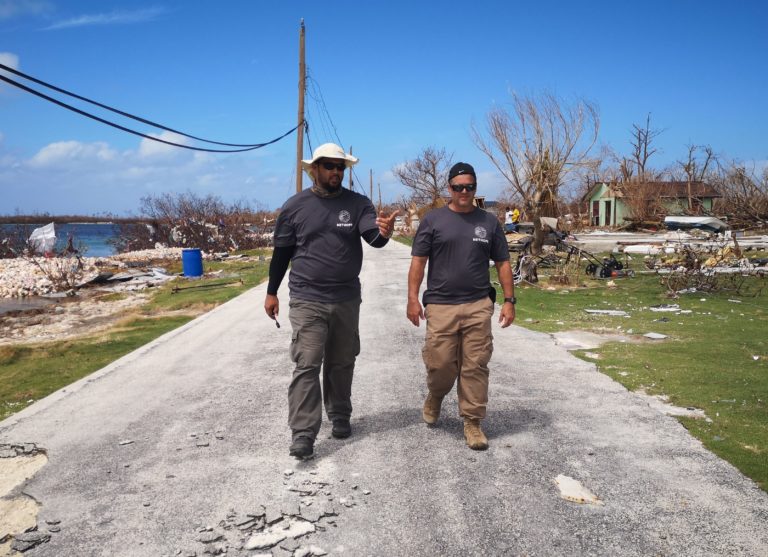
Cisco has always been about connectivity — bringing people, businesses, and communities together. However, in times of crisis, that mission takes on a new urgency. It’s a unique capability we bring to bear, leveraging 40 years of innovation to connect the unconnected when it matters most.
Disasters don’t discriminate. When hurricanes strike, when floods or wildfires devastate, or when families flee conflict as refugees, connectivity quickly emerges as a basic human need — right alongside food, water, and shelter. In recent crises, we’ve seen that the first thing people ask for is not just immediate physical aid, but Wi-Fi. They need to reach loved ones, file claims, access aid and bank accounts, or simply let someone know they’re safe. That’s why I’m so proud that Cisco, through CCR, can help restore that vital lifeline for those most in need.
Over the past 20 years, together with our partners and volunteers, we’ve made a significant impact, including 197 responses in over 60 countries. Through donations from Cisco, the Cisco Foundation, and our employees, we have raised and invested substantially, including 129 matching gift campaigns that raised over $30 million for disaster response, and disbursed more than $184 million in cash grants to support nonprofit partners providing disaster relief and meeting critical human needs.
None of this would be possible without the dedication of our people. CCR is powered by a growing network of nearly 1000 Cisco volunteers — colleagues who step up when communities need us, often leaving their own families and day jobs to make a difference. Their pride and enthusiasm are palpable, and their willingness to serve is a testament to Cisco’s culture of giving back.
Rebuilding, restoring, and innovating
While I’d attended many meetings and seen the news coverage of Hurricane Helene’s devastation, nothing prepared me for being there on the ground in Asheville this summer. Even the hotel where we stayed had just reopened, months after suffering heavy storm damage. Driving through the region, you see communities still trying to bounce back. A year later, the scars of Helene remain — and so does the need for support.
I joined CCR team members, volunteers, and partners on a Habitat for Humanity build, working side by side in the intense summer heat. What stood out to me wasn’t just the technical skill or efficiency of our team, but the camaraderie and eagerness to help however they could, proud of the work and the impact.

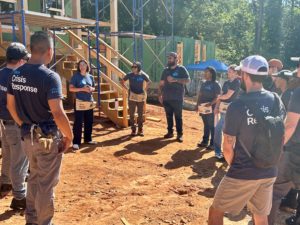
Visiting homes being repaired by the Asheville Regional Coalition for Home Repair (ARCHR) made the crisis real in a new way. I met a homeowner who had been trapped in their home during the storm, without electricity or running water for days, and living with health challenges and no other options. The devastation in Western North Carolina is unique — flooding on steep mountainsides, spotty damage that leaves one neighborhood untouched and another devastated. Without the work of ARCHR and other CCR partners, many families would have been left behind.
A responsive future

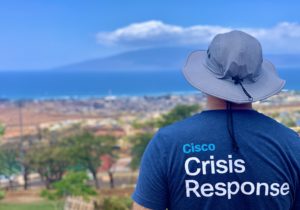
The work of CCR is more than a response to disaster — it’s a long-term commitment to rebuilding and strengthening communities. Through partnerships like ARCHR and new initiatives such as our “40 Communities” program, we’re not just restoring homes or deploying emergency networks — we’re helping communities build resilience for the future.
Yet as we honor the progress of the past year, we know the challenges ahead are growing. Disasters are becoming more frequent and severe — but so is our resolve. With every deployment, every volunteer, and every partnership, we’re learning, innovating, and scaling our impact. Together, we’re not just responding to disasters, we’re helping communities build the resilience to face the future with strength and hope.





💚💚