
The transportation sector is navigating a period of unprecedented transformation. With the global smart transportation market projected to exceed $250 billion by 2030 (Allied Market Research), the demand for modernized infrastructure has never been more urgent. Just as iron rails and the steam engine once defined the industrial revolution, today’s data-driven networks have become the critical foundation of modern transit-requiring rail and roadway management to evolve from reactive maintenance to proactive, intelligent orchestration.
With over half of all transportation organizations now actively deploying connected technologies, the industry has moved well beyond experimentation into large-scale execution (Cisco State of Industrial AI Report for Transportation).
This September marks a pivotal focal point for these advancements, as industry leaders gather at ITS California and InnoTrans in Berlin to address the critical infrastructure challenges that stand between current limitations and a truly modernized network.
The Capacity Paradox
The primary challenge facing transit and roadway agencies today is a paradox of capacity. Commuter volumes, freight demands, and connected devices are at historic highs, yet the underlying network infrastructure often remains constrained by legacy architectures incapable of supporting the AI era.
When networks struggle with bandwidth bottlenecks, latency delays, blind spots in observability, and an expanding cyber-attack surface, they stifle innovation and risk operational downtime. We are working alongside our partners to solve these challenges through three foundational pillars:
- Delivering high-throughput, low-latency connectivity to support autonomous-ready systems and real-time edge processing.
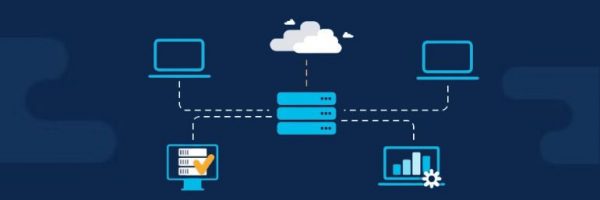
- Establishing end-to-end operational visibility across highly distributed roadside and trackside environments.
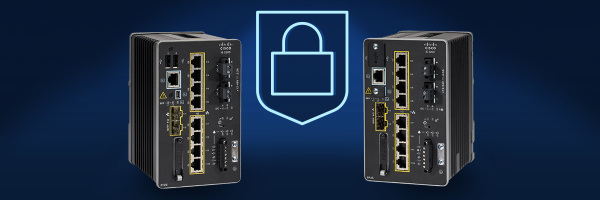
- Embedding a security-first architecture that defends critical infrastructure from evolving cyber threats.
Cisco Benefits: Simplifying the Path to Modernization
Cisco provides the ruggedized, secure digital foundation that enables agencies to shift their focus from troubleshooting network issues to their primary mission: moving people and goods safely, sustainably, and efficiently.
By reducing the complexity of legacy infrastructure, Cisco delivers clear, measurable benefits across your transportation operations:
- Enhanced Operational Visibility: Gain real-time, unified insights across distributed network assets. Operations teams can anticipate bottlenecks, monitor asset health, and resolve anomalies before they impact transit schedules or public safety.
- Future-Ready Resilience: Deploy high-speed, ruggedized industrial networking-including SD-WAN, Wi-Fi 6/6E, and C-V2X / V2I communications-that scales seamlessly as data volumes, sensor density, and automated vehicle technologies grow.
- Proactive Cyber Resilience: Protect critical transit infrastructure with built-in zero-trust security and continuous device visibility (such as Cisco Cyber Vision), ensuring roadside and trackside networks remain resilient assets rather than vulnerabilities.
Next Steps: Meet Us This September
Join the conversation with Cisco transportation experts at two premier industry events this month:
- InnoTrans 2026 in Berlin | September 22-25
Visit us at Booth 450, Hall 4.1 to explore how we are securing, connecting, and automating the future of rail. - ITS California Annual Conference in Sacramento | September 27-30
Visit us at Booth 307 to discuss how to accelerate digital transformation for roadways and smart intersections.
Buckle up-we look forward to seeing you there and helping you accelerate your journey toward safer, smarter mobility.
Explore more and connect:
- State of Industrial AI report for Transportation
- Cisco Resilient Infrastructure
- Schedule a one-on-one demo to discuss your transportation opportunities
Explore Cisco Industrial IoT
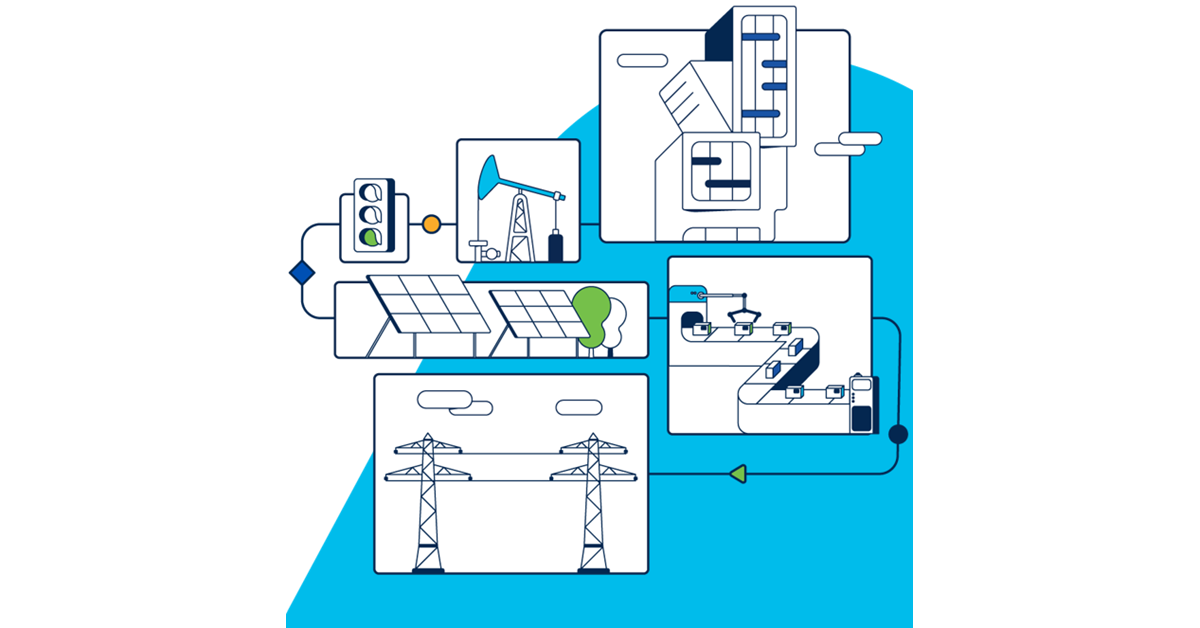
Improve business outcomes with our end-to-end Industrial IoT solutions. Securely connect assets, applications, and data in real time to apply transformative business changes.
Explore our portfolio