Cisco Blogs
Laura Perek
Laura Perek
No Longer at Cisco
As the Global Industry Lead for Transportation, Laura Perek is responsible for identifying industry trends and use cases, developing go-to-market strategy and messaging, and expanding key partnerships for the global transportation market at Cisco.
Laura has nearly two decades of experience in electrical infrastructure and services, electric vehicle charging, and IoT solutions. Her background prior to joining Cisco includes business development and channel management roles with industry leaders Schneider Electric and ChargePoint.
She holds an MBA from the WP Carey School of Business and a B.S. Engineering Management and B.S. Economics from Missouri S&T.
Laura and her husband reside in the Madison, Wisconsin, area.
Articles
The railway industry is increasingly embracing new systems and technologies to enhance operational efficiency, safety, and connectivity. As operators move on from their legacy systems, there is an ever-increasing number of connections and complexity to deal with from a security standpoint.
In the most recent episode of the Coffee and Conversations podcast, we discuss the rail and mass transit industry and innovations and technology that are shaping its’ future. We review the latest trends that are driving sustainability, efficiency, and passenger-centricity in the industry.
As ridership inches toward pre-pandemic levels, rail operators need to continue evolving their operations while searching for new ways to attract passengers and adapt to new transit behaviors. Ensuring seamless, secure connectivity, from the station to the train, is foundational for creating a modern passenger experience and developing new revenue services.
Transportation organizations require digital infrastructure as rugged and unyielding as the terrain they traverse. Cisco has worked as a trusted partner to enable innovation with over 32,000 organizations across 169 countries. Find out why transportation operators choose Cisco to help them achieve their business objectives.
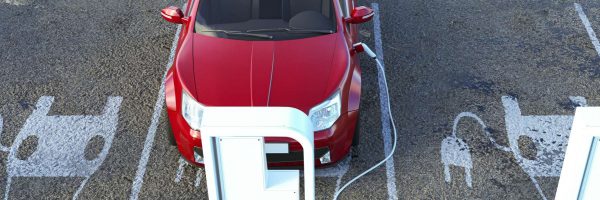
The increase in electric vehicles on the road is, unsurprisingly, resulting in an increased demand for charging infrastructure. Public and private networks are being installed at a rapid pace and will continue to increase as more public funding is allocated to charging infrastructure.