
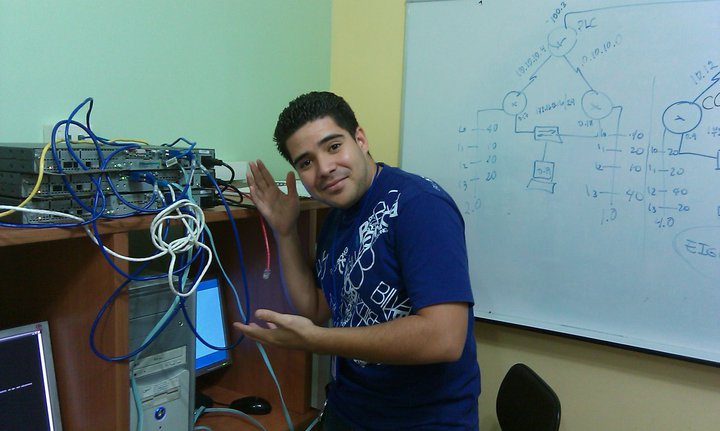
 Back in 2001, I was living in Venezuela. Everyone was playing Diablo II, but there was a catch: high-speed internet wasn’t exactly common. If we wanted to play together, we had to set up our own internet, or at least that was what my 15-year-old self thought.
I didn’t know what an IP address was, and I certainly didn’t know anything about routing. But I had a goal to play with my friends and I had the stubbornness to brute-force my way through it until it worked.
That was my introduction to networking.
And it was then I realized I didn’t want to follow my father’s path to becoming a doctor. I wanted to work in technology.
The Unexpected Path
I headed to university to study electronics with a focus on control systems, dreaming of building robots. But the job market had other plans. To my surprise, employers weren’t interested in the five years I spent tackling thirteen math courses; they were interested in the networking skills I’d picked up just to get my games running.
I was confused at first, but that quickly turned into excitement. I realized that my networking skills were actually real-life tested — unlike the purely theoretical work from university — and that the logic behind a LAN party was essentially the same as a small office network.
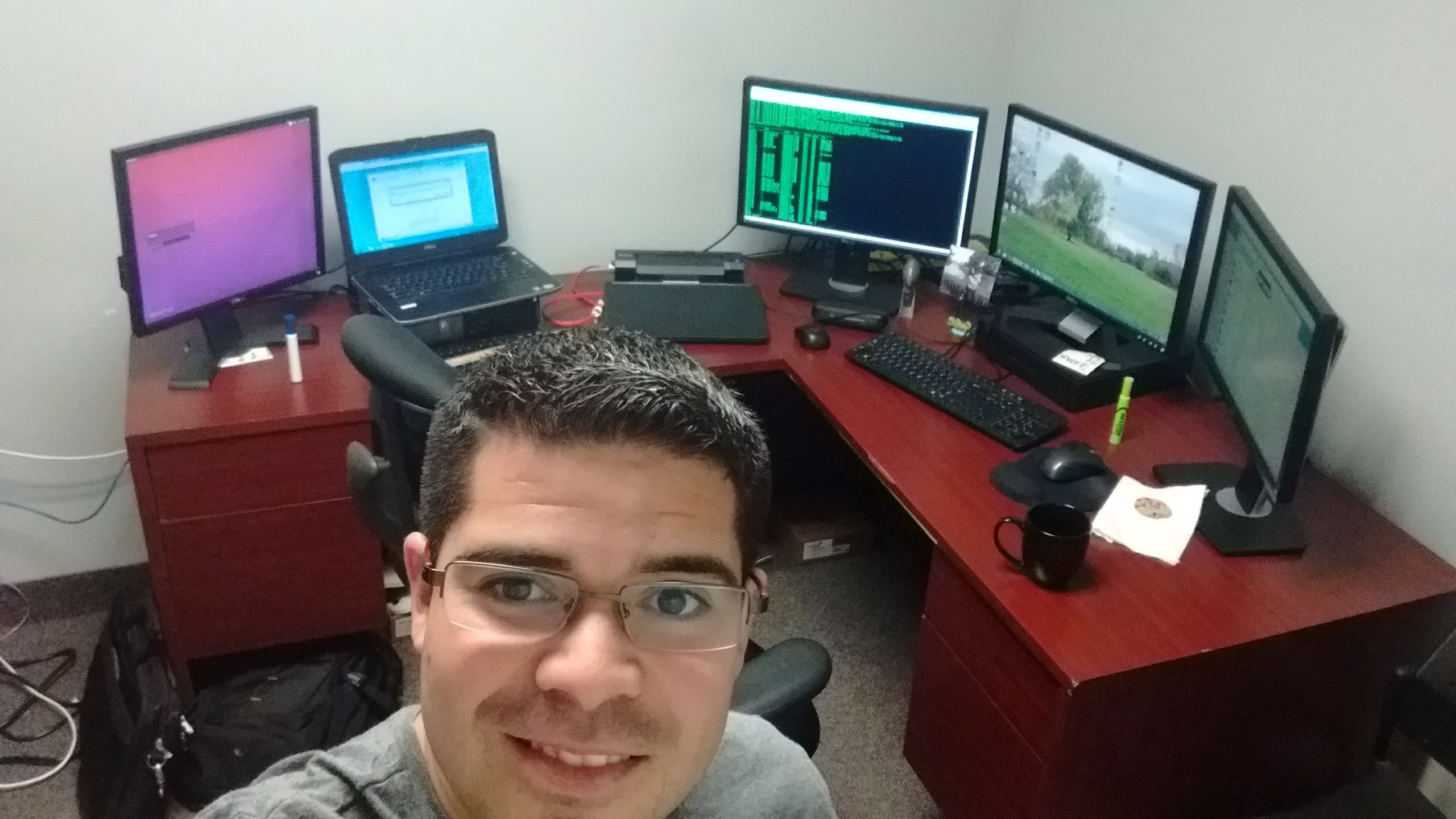
In 2009, I started as a network administrator at the electric utility in Venezuela. That’s when I decided to take networking seriously and enrolled in the Cisco Networking Academy. For the first time, the “magic” of connectivity made sense. I wasn’t just guessing anymore; I could actually see the packets flowing beneath the surface.

 A New Chapter
A few promotions later, I was leading the regional networking team. But life has a way of changing your perspective. In 2013, my first daughter was born. Suddenly, I wasn’t just thinking about the next project; I was thinking about the next twenty years. I realized that while I was comfortable, Venezuela wasn’t the place where my daughter would find the opportunities she deserved. So, my partner and I made the difficult decision to move to Canada.
Moving to a new country is a reset button, and I needed to prove my worth. I used the $300 the government allowed for foreign currency to pay for my CCNA exam and passed on the first try. With the support of my family, who shared their own allowances, and mentors who guided me through the complex topics, I pushed forward. A year later, I had my CCNP in routing and switching.
Certifications didn’t guarantee a job, but they gave me the confidence to walk into an interview and the proof I needed to show that my experience in Venezuela was legitimate. Two months after arriving in Canada, I landed a role as a network administrator, which eventually led me to become a global network architect.
Finding My Place at Cisco
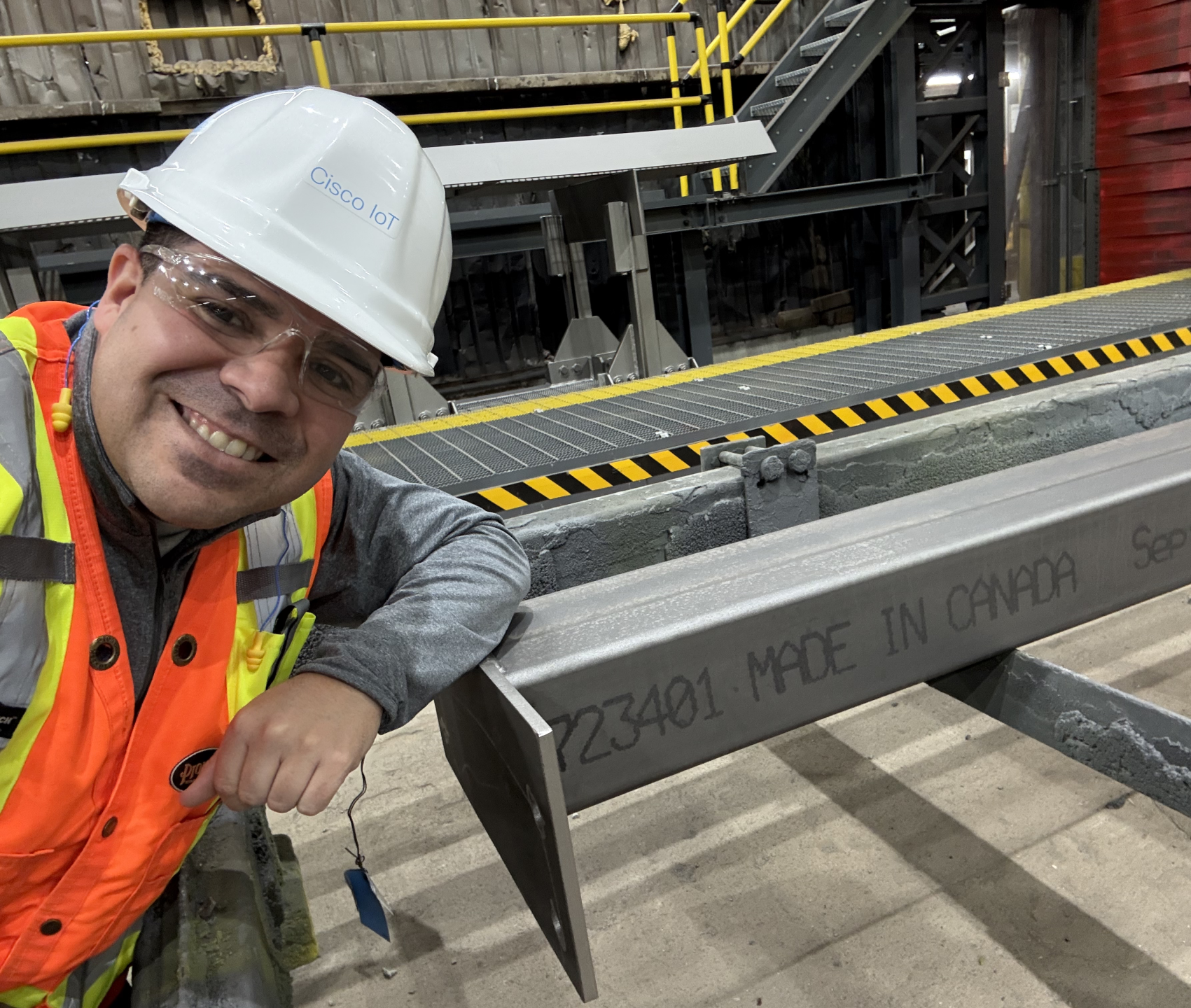 As my career progressed, I found myself drawn deeper into the world of networking and network cybersecurity. When I saw an opening at Cisco, it felt like my entire journey — from the LAN parties to the electric grid management and the move to Canada — had been the long, winding road leading to this specific role.
Today, as a solutions designer for Cisco’s industrial portfolio, I work with the same systems I used to manage back in Venezuela. I work with the utilities that keep the lights on, the manufacturers who provide our food, the mines that extract the minerals for our devices, and the municipalities that ensure we have clean water, and many others.
Knowing that my work helps keep these essential systems running is what I’m most proud of. It’s become a bit of a running joke with my family, though — they’re pretty tired of me pointing at things and saying, “I helped design the network that processed that chicken,” or “I helped design the network that sent you that traffic ticket.” But in all seriousness, it feels great to give back to the community in such a tangible way. I’m not just “doing a job.” I’m helping the country that opened its doors to my family over a decade ago. And honestly? Getting paid to do work I love is just the cherry on top.
One Year Later
Reflecting on my first year at Cisco Industrial IoT, I’m still surprised by how much I’ve grown. Joining Cisco felt like signing up for a gym where the trainers assume you’re already a professional athlete. In my role, I cover industrial switching, routing, wireless, and cybersecurity — all at once. I was overwhelmed at first, but I quickly found my “personal trainers” in the team around me. These experts are always willing to share their knowledge, and that support is exactly what helped me get up to speed.
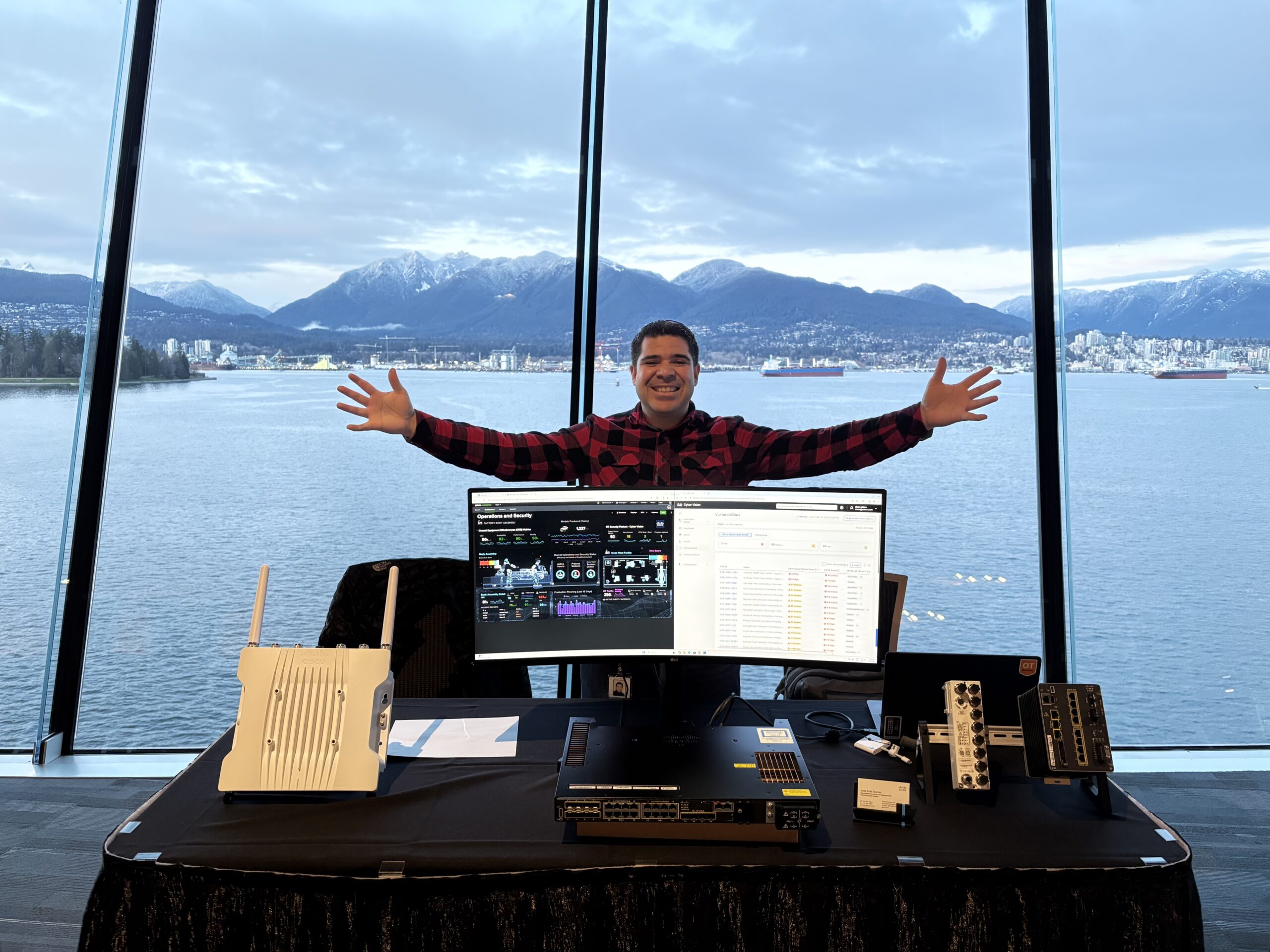 In this first year, I’ve had the chance to:
- Play with technologies I’d only ever read about in textbooks.
- Design full, end-to-end networks.
- Dive deep into complex industrial and enterprise architectures.
- Rediscover my love for some technologies and confirm my strong dislike for others.
Most importantly, I’ve learned. I’m incredibly grateful for the trust, the growth, and the people I’ve met along the way. It’s been a long road from that first LAN party, but I wouldn’t trade a single step of it.
Ready to turn your passion into a career? Explore open roles on the Cisco Careers site.