

The Transformation of Software Testing
A shift in mindset is required to digitize software development. Integrating testing developers into the early design and develop stages benefit customers as well as development teams.


A shift in mindset is required to digitize software development. Integrating testing developers into the early design and develop stages benefit customers as well as development teams.

For professionals who build software solutions, the digitization of software development focuses on improving productivity, consistency, and efficiency resulting in the democratization of team-based development.
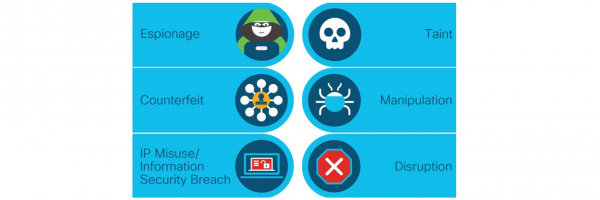

With the multitude of dangers constantly testing networks, there should be no such concept of “implicit trust”. At the core of the defensive network is the principle of proven trustworthy hardware and software, working in conjunction to protect


Earlier this month, I wrote about the need for a holistic security strategy for the Internet of Things (IoT). It’s more than securing a ‘thing’ within the IoT – it’s about building resilience for the whole system. Cyber resilience is about managing
Internet of Things (IoT) is the term du jour. As adoption increases the natural question becomes, how has it been secured? To understand an effective security strategy for IoT, we first need to understand where the value from IoT is generated. The

Did you know that Cisco created the Cisco Secure Development Lifecycle (Cisco SDL) to ensure that security is central through the entire product development process? Cisco SDL is a repeatable and measurable process we’ve designed to fortify the
This week, Cisco provided comments on the Department of Commerce’s Bureau of Industry and Security (BIS) proposed cybersecurity regulations. These comments reflect the realities of how Cisco looks to protect both our customers and our products. They


