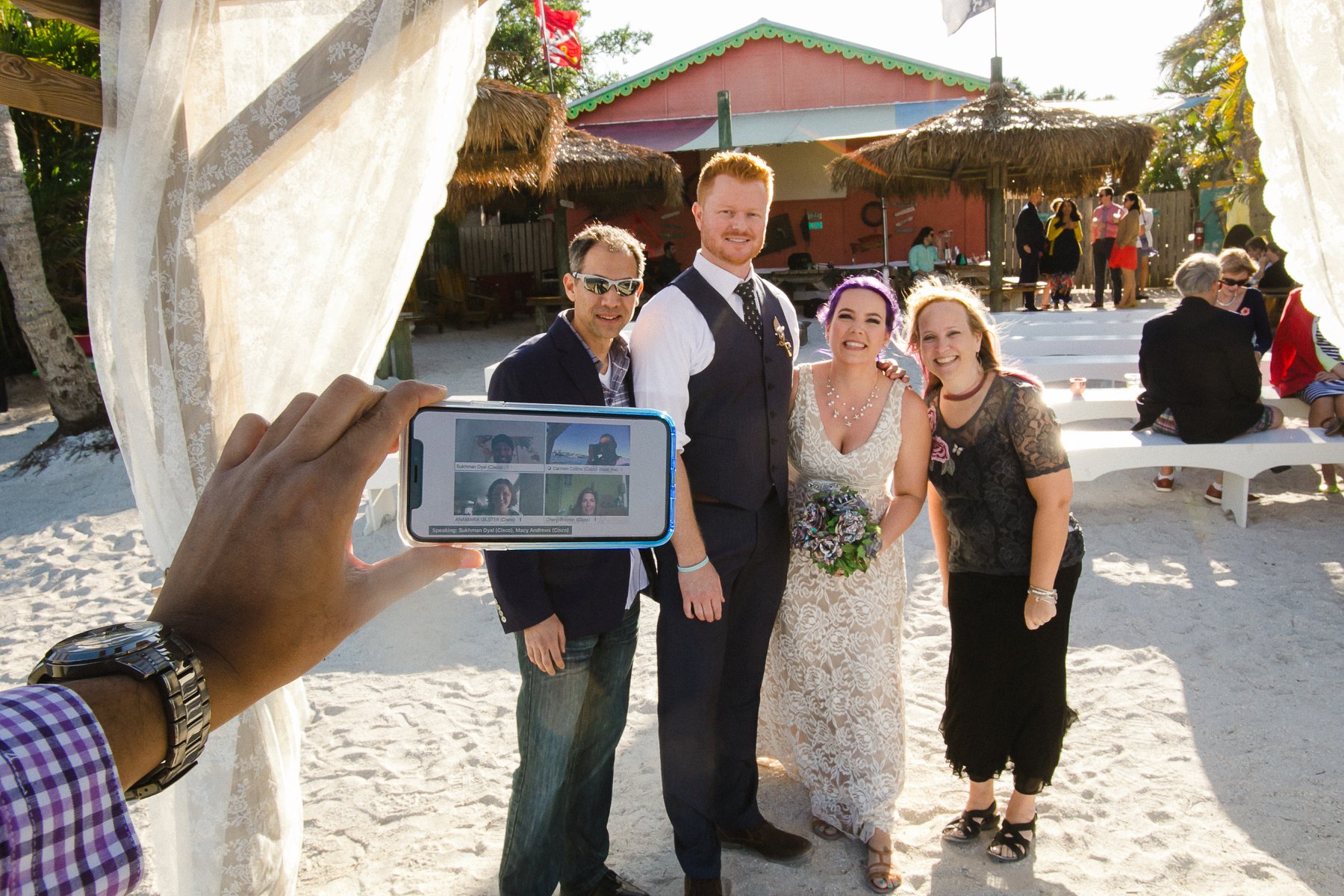

A Webex Wedding
Weddings are tough, but they're no match for the Cisco Talent Brand team that came together through Webex to celebrate their teammates wedding day in a global way!


Weddings are tough, but they're no match for the Cisco Talent Brand team that came together through Webex to celebrate their teammates wedding day in a global way!

Cisco Recruiter Raquel C. shares how the EMEAR Talent Acquisition Offsite helped bring the team closer together.
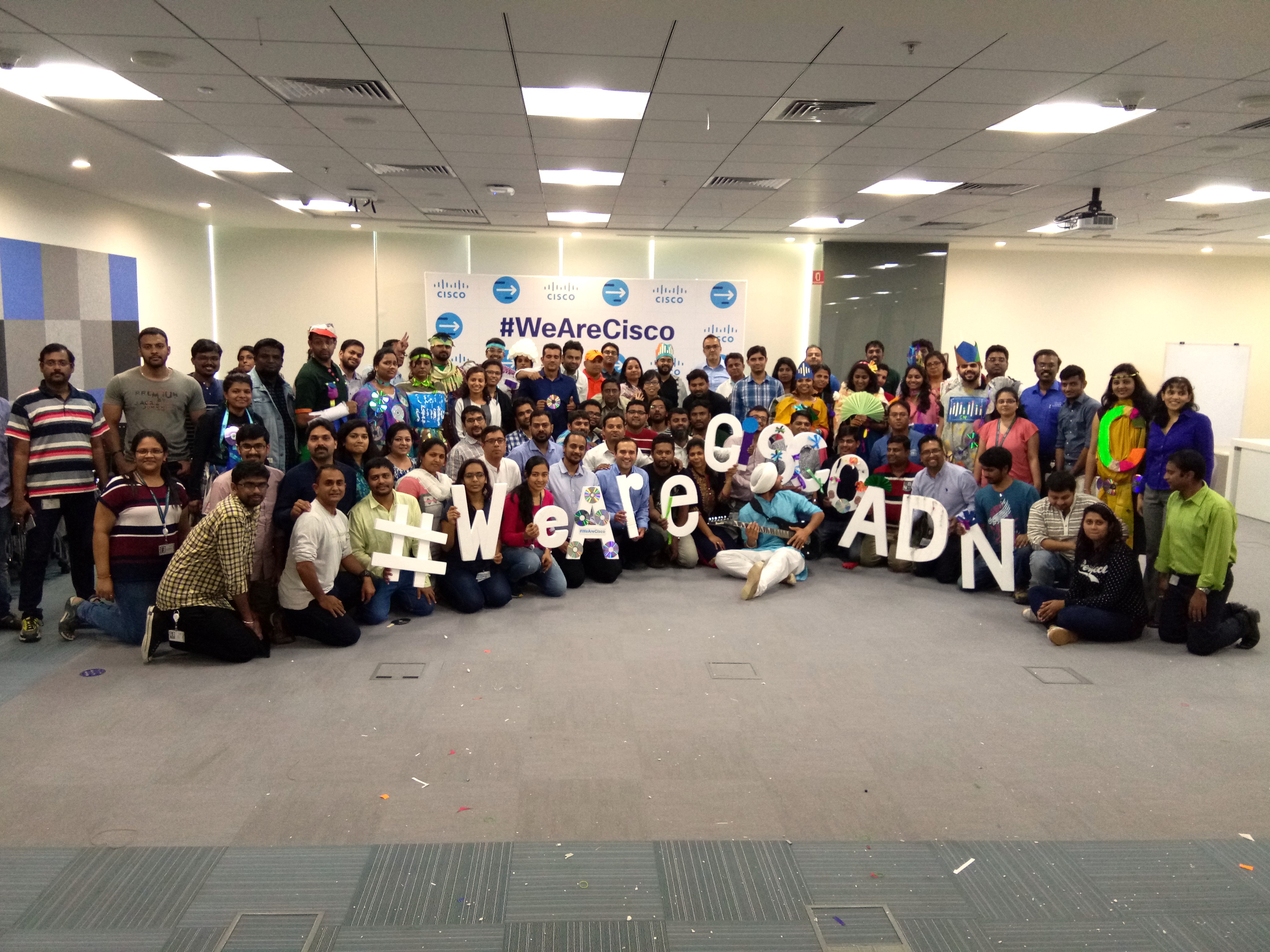

Satya shares how the Cisco ADN team-bonding event showcases the importance of teams and how they change the way we work, live, play, and learn.

Listening more expansively is something you can begin today. No waiting. No deep research. Just ask yourself a few questions and begin.


Karim shares how a love of skydiving helped his career at Cisco. Then he took the Network Intuitive to the skies!


Cisco employee, Stephanie M. shares her experience organizing a team bonding activity of CURLING for the Austin, TX campus.


There is a great deal of focus in the world today on gender equality. Women are being given an equal chance to prove themselves, to work their way up the...


Portland State University is Oregon’s largest and most diverse public university encompassing 50 city blocks, eight schools, 226 degree programs, 29,000 students, including 1,700 international students from 91 countries, and...

For those of us in large enterprises, it’s easy to feel lost in the sea of employees. With the rise of mobility, virtualization, and BYOD, many of us in the tech industry work from home, other offices, or even other countries. Because of this, many of


